The Edirnekapı Fortress is a wonderful starting point for exploring the ancient walls of Istanbul
A journey to Istanbul often begins with its famous landmarks, which shape the unique character of the city and are must-see attractions. However, this metropolis, rich in history, offers much more than just well-known monuments.
The diversity of Istanbul's neighborhoods, each with its own unique atmosphere, opens up a multitude of new experiences for travelers. Edirnekapı and Samatya, located along the historic walls, are among the most interesting and cozy places in the city.
These areas were once home to emperors and later to representatives of various religions. Today, Edirnekapı and Samatya continue to preserve their vibrant and profound culture.
Strolling through their multicultural streets, one can see traces of different historical eras—ancient buildings, small shops, and traditional cafes where the spirit of warm conversations still reigns. These neighborhoods are also famous for their meyhane culinary culture, passed down from generation to generation.
Seven Towers — a symbol of eternity
The Edirnekapı Fortress, known as the Seven Towers, is an excellent starting point for walks along the ancient walls of Istanbul, which stretch across much of the Historic Peninsula—one of the most culturally rich areas of the city.
The structure was built in the 5th century during the Eastern Roman Empire to protect the city from enemies, and during the Ottoman period, it was expanded with new walls and gates.
Among the several gates, the Golden Gate deserves special attention, intended for the ceremonial entrance of emperors returning from successful military campaigns. Inside the fortress, one can explore the seven towers that gave it its name, including the dungeons, armory, and treasury, as well as enjoy magnificent views of the Sea of Marmara and the Historic Peninsula.
After visiting the fortress, you can head to Samatya, where you will encounter interesting architectural monuments, including the Church of Saints Constantine and Helena of the Rum Orthodox community, known for its beautiful bell tower.
Not far from this site are the ruins of the Studios Monastery, which later became the Imrahoro Mosque, vividly demonstrating the layered heritage of the Byzantine and Ottoman eras.
From holy places to the communal table: the atmosphere of Samatya
Upon arriving in Samatya, you will find yourself in a historic square familiar to many from popular Turkish TV series.
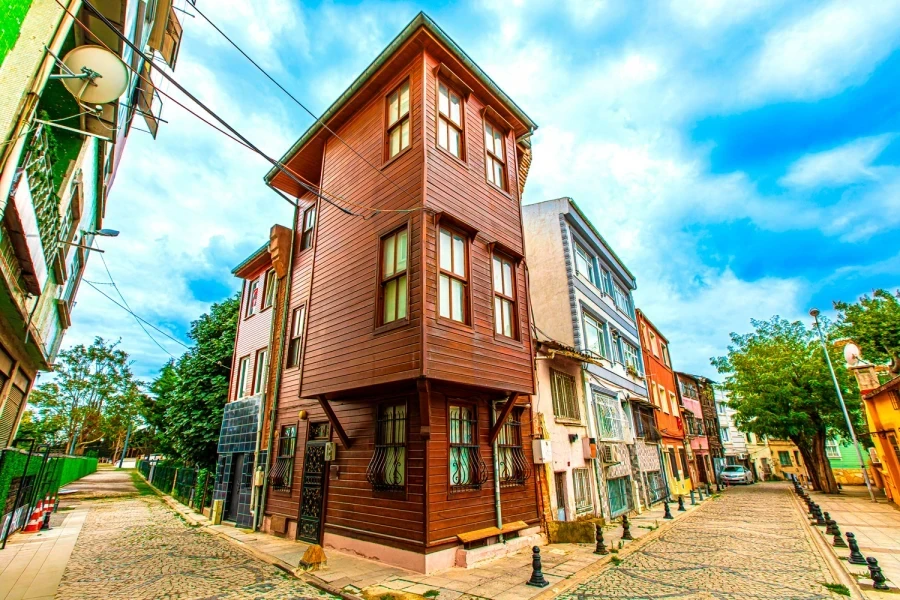
Here, the atmosphere of warmth and hospitality prevails. As you stroll through the streets, you will notice second-hand bookstores, cafes, and confectioneries that sit alongside ancient wooden mansions that have preserved their historical appearance. Some of these buildings have been restored and now serve as cozy cafes where you can enjoy a cup of aromatic Turkish coffee with thick foam.
At the border between Edirnekapı and Samatya stands the Railwaymen's Church, or Samatya Church, which is currently used by the Syrian Christian community and is associated with railway workers from the late Ottoman period.
This area also houses the Armenian Church of Surp Kevork—one of the oldest Armenian churches in Istanbul—and the Church of Saint Memas, reflecting the multinational character of Samatya.
Once a small fishing village on the coast, Samatya today offers a variety of gastronomic delights. Meyhane (traditional Turkish taverns) serve fresh fish with Turkish rakı and a variety of meze, including topik—a vegetarian dish made from chickpea paste with caramelized onions—and fish börek.
Additional places to explore: the Greek Balıklı Hospital and the Church of Ayia Charalambos
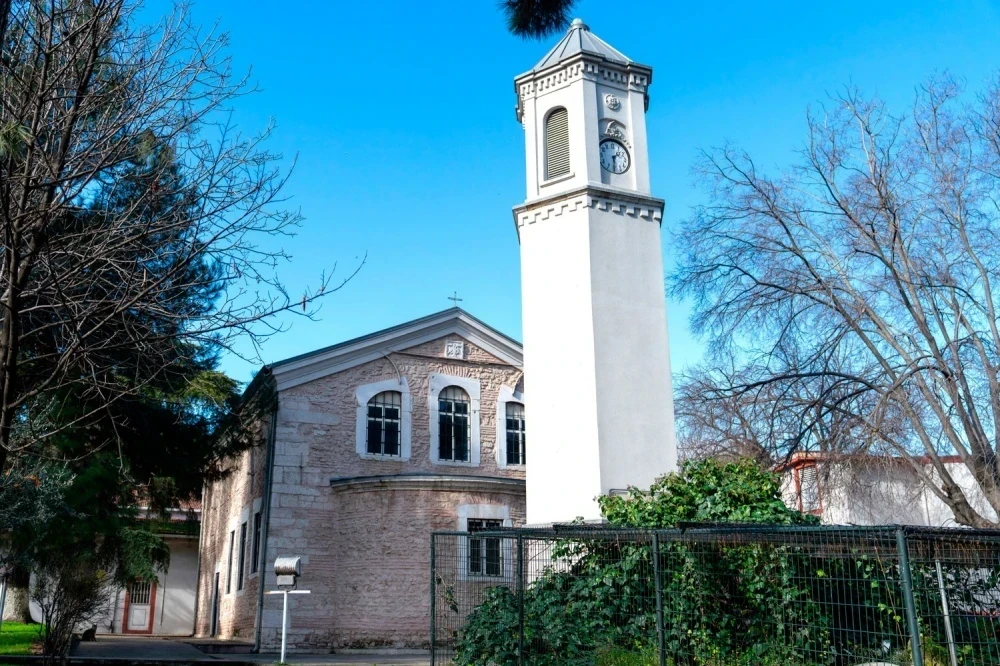
In Istanbul, historical hospitals, once centers of healing, continue to function today. After getting acquainted with the culture, history, and gastronomy of Edirnekapı and Samatya, it is worth visiting the Greek Balıklı Hospital—an important site in the cultural and social memory of the city.
In the hospital's garden stands the Church of Ayia Charalambos, built in the 18th century for patients and medical staff. It is dedicated to Saint Charalambos, who lived in the 2nd century and is revered as a protector against epidemics. The church embodies the spiritual protection of the hospital, founded during the plague, and symbolizes hope and protection in difficult times.