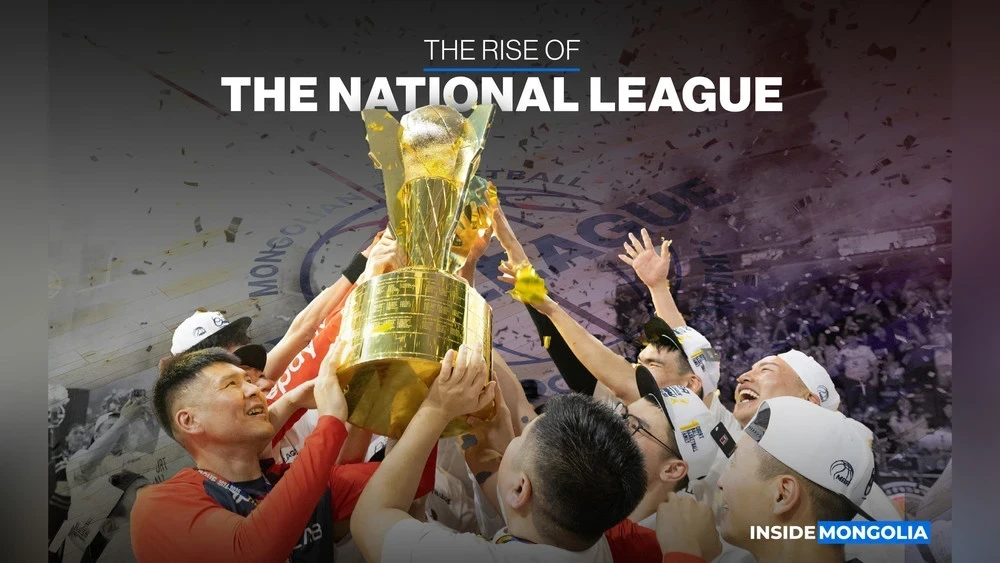
As reported by MiddleAsianNews, last week the playoffs of the National Super League for men's basketball in the 2025–2026 season began. In this regard, we propose to consider the history of the National League's development.
⌚ Historical Context
For a significant part of its existence, the league relied on local players, facing various challenges and focusing on internal competition. Teams like the Xac Broncos achieved significant success; however, professionalization, including the emergence of foreign legionnaires and MVPs, began to actively develop only in the mid-2010s.
? In 2023, the league slightly increased the number of teams to 13, but in 2024 returned to 10, aiming to expand club participation beyond Ulaanbaatar, including cities like Darkhan, Erdenet, and Khovd. The popularity of basketball continued to grow, contributing to the stable development of the league, especially in recent years.
?Present Time
The 2025–2026 season has become an important milestone for the National Super League among men, reflecting accelerated development, increased competition, and growing commercial appeal. The SG Apes team finished first in the regular season with a record of 18–9, slightly ahead of the defending champions, the Xac Broncos, while the top three teams, including the BCH Knights, ended the season with identical records, highlighting the growing tension in the league.

? The season was also marked by an active influx of young local players and high-class legionnaires, as well as a significant increase in the number of corporate sponsors (averaging 5–6 per team). Among the notable innovations was the recruitment of players from the national 3x3 basketball team to Selenge Bodons for ₮2 billion (approximately $561,324) and the return of renowned NBA player DeMarcus Cousins. This season, Selenge Bodons and Darkhan United became leaders in the number of sponsors, signing contracts with 8 organizations.
? Such trends were also reflected in financial indicators. The budget of SG Apes increased by 81.8%, reaching ₮4 billion (approximately $1,122,648), of which about 70% came from sponsorship. Additionally, the launch of the Federation Cup—a knockout tournament featuring 48 teams and a prize pool of ₮100 million (approximately $28,066)—added scale and level of competition to the calendar.
Furthermore, the league took an important step on the international stage. Starting from the 2025–2026 season, the national champion will have the opportunity to participate in the East Asian Super League (EASL), thanks to a strategic partnership announced in early 2025, significantly expanding the presence of Mongolian clubs in the region.
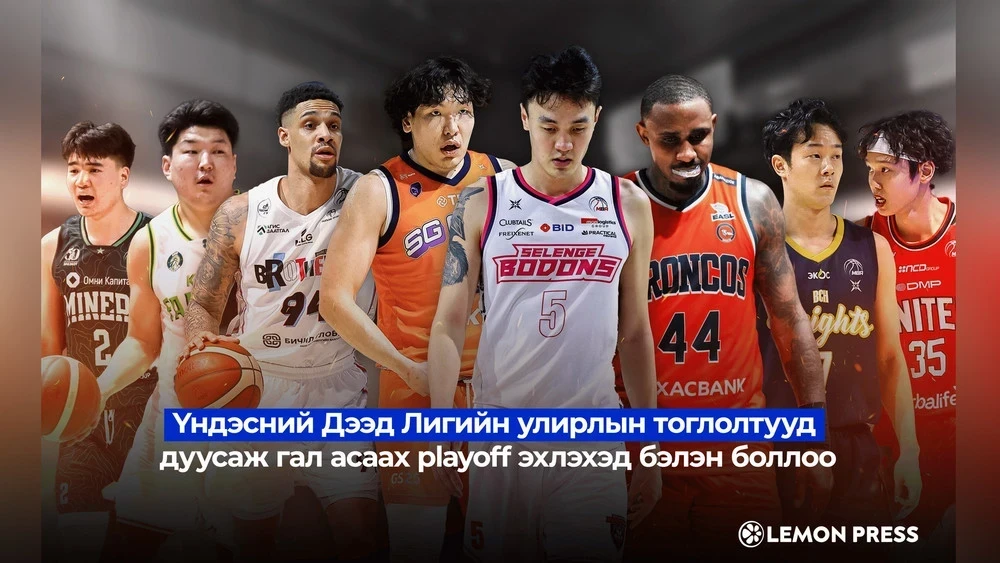
In conclusion, the Mongolian National Super League has evolved from a predominantly regional tournament into a dynamically developing professional league characterized by increasing budgets, attracting stars and corporate support, as well as new tournaments and international opportunities. The question now is not whether the league will grow, but at what speed and how far it will be able to advance.