
The Indian English-language news channel Times Now, owned and operated by The Times Group, conducted an analysis of the traditional diet of the Mongols.
“So what did the Mongols actually eat? It was a hearty, meat- and dairy-rich diet designed for survival: from jerky and airag to emergency horse blood, which gave strength to warriors who considered vegetables merely goat food,” reports Times Now.
If you have ever dreamed of turning your salad into a steak, you share the views of medieval Mongols. For them, vegetables were not an important part of the diet. They were seen as “goat food.” In the endless steppes of Central Asia, green plants were meant for livestock, not for the warriors who conquered vast territories.
So why did one of the most powerful empires in history treat vegetables with such disdain? What did they replace them with to maintain their incredible endurance, ferocity, and horsemanship?
The Landscape Shaping Their Diet
The culinary traditions of the Mongols were directly linked to the harsh conditions of the Eurasian steppe, where winters are long and pastures are scorched. In these conditions, where agriculture was nearly impossible, they displayed remarkable ingenuity in cooking.
The Mongolian diet was a result of not choice, but geographical location. Due to the challenging climate, cereal crops could not thrive, and the nomads turned to what the land could offer—animals.
Animal husbandry, especially horses, sheep, and goats, provided everything necessary: meat, milk, and materials for making tools. Nothing went to waste; everything played its role in survival.
The Diet of Mongolian Warriors in the Time of Genghis Khan
During the time of Genghis Khan, the diet of the Mongols became their strategic advantage. The armies were characterized by high mobility, capable of covering distances that settled empires deemed impossible. Nutrition played a key role in this mobility. Warriors carried jerky with them, which retained its qualities for months thanks to the dry steppe air.
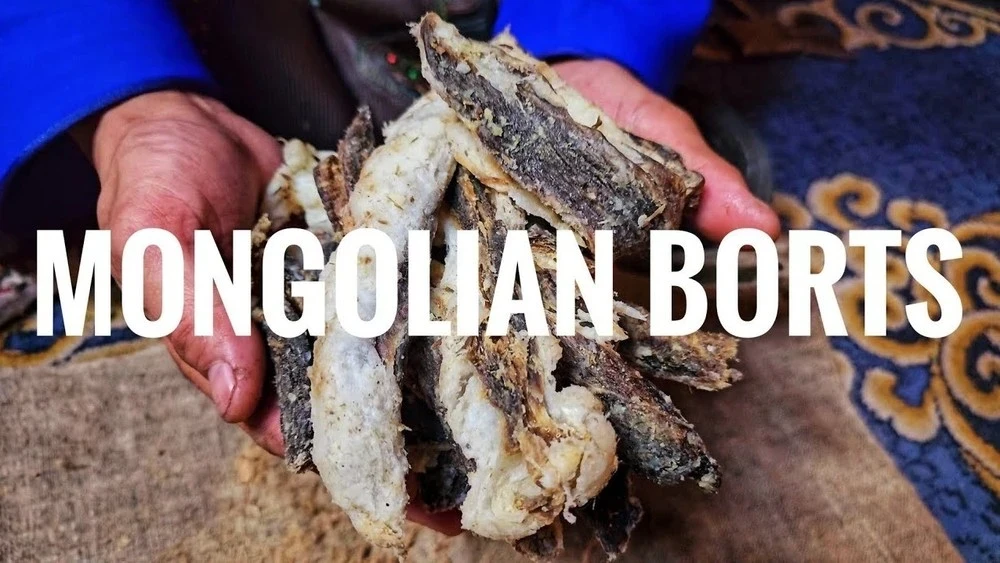
They used it as a precursor to protein bars: compact and calorie-dense, perfect for travel when cooking was a luxury. When an animal was slaughtered, freshly cooked meat was also added to the diet, as fat and protein were necessary to combat the cold winds and long days of riding.
Horses: Secret Weapon and Source of Food
However, meat alone was not enough to sustain the empire. The Mongols were also innovators in dairy production long before the term existed. Milk was the cornerstone of their diet: warm, sour, fermented, and dried.
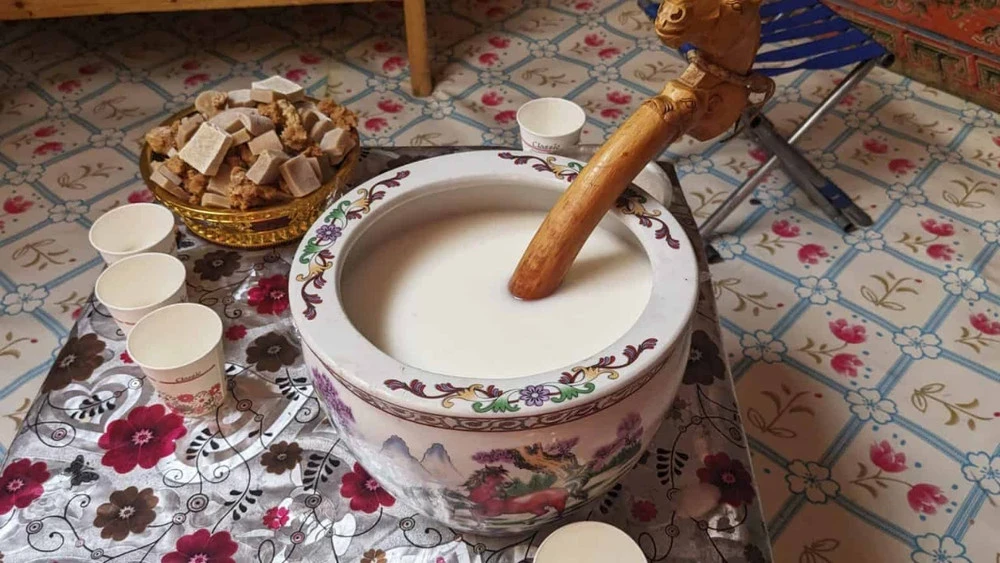
Dairy products served a dual purpose: they not only nourished but also shaped philosophy. The Mongols consumed curds, cheese, clotted cream, and most famously—airag, fermented mare's milk, which contained a slight alcohol and had a distinctive taste. This drink quenched thirst and replenished strength. The fermentation process was ideally suited for a nomadic lifestyle, where milk, placed in leather bags, was churned during long journeys.
Did the Mongols Drink Horse Blood?
One of the most shocking aspects of their diet was the use of horse blood. In emergencies, a warrior could make a small cut on the neck of his horse, drink a few sips, and continue riding without harming the animal. This was dramatic but allowed Mongolian armies to cover great distances without traditional supply lines. Their diet was, quite literally, designed for conquests.
Why Vegetables Became Objects of Mockery
What was the place of vegetables in this diet? In most cases, they were simply ignored. The Mongols regarded plant food with disdain and indifference. Vegetables were associated with settled farmers, with those whom they considered beneath their way of life. Since animals turned grass into meat and milk, consuming greens seemed superfluous. Goats ate grass, horses did too, and people ate goats and horses. That was the natural order.
A Culinary Twist
Nevertheless, their diet was not limited to just proteins. It was a complex system, perfectly adapted to a nomadic lifestyle. Fermented dairy products could be stored for long periods. Dried curds, known as aaruul, became a popular snack on the go. They were hard, nutritious, and could be stored for a long time. Cooking boiled meat required only a pot and fire. Airag lifted spirits and restored strength. The choice of food depended on movements, climate, and the necessity of survival.
Legacy on the Plate
It is remarkable how effective this diet was in terms of nutrition. Fatty meat warmed warriors on frosty nights, while fermented dairy products contributed to health. The availability of protein allowed the army to operate with virtually no additional supplies.
The horses of each rider significantly increased both transport and food security. Their system was simple yet powerful enough to sustain the largest continuous land empire in history.
Today, Mongolian cuisine retains its ancient roots. Stews, milk tea, dumplings, and dried dairy snacks reflect the logic of the steppe: hearty, warming, and predominantly meaty.
Although vegetables have found their place in modern recipes, the spirit of this cuisine still reminds of the old Mongolian belief: true strength comes from the herd, not from the garden.
Ultimately, the Mongols did not just mock vegetables for a joke. They defended a worldview shaped by climate, survival, and conquests. Their diet became a triumph of adaptation, providing energy to warriors across continents and leaving a culinary legacy as harsh and captivating as the steppe itself.
author: Simran Sukhnani
translation: MiddleAsianNews


