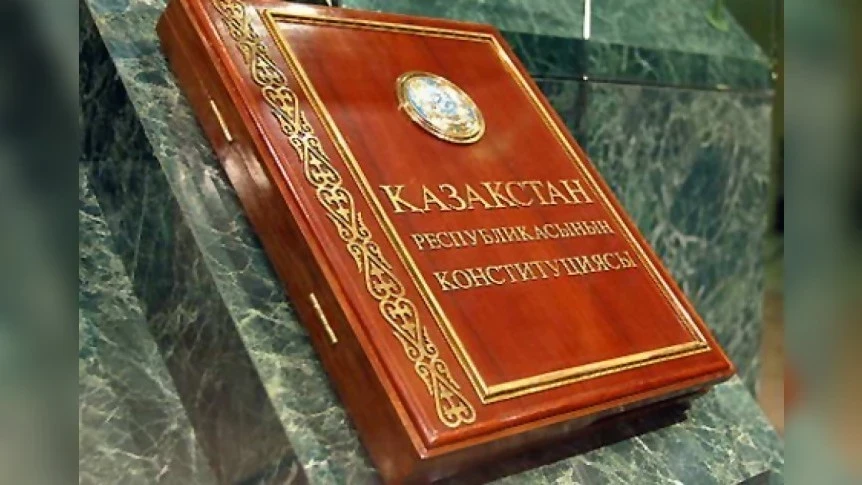
Constitution
// Constitution
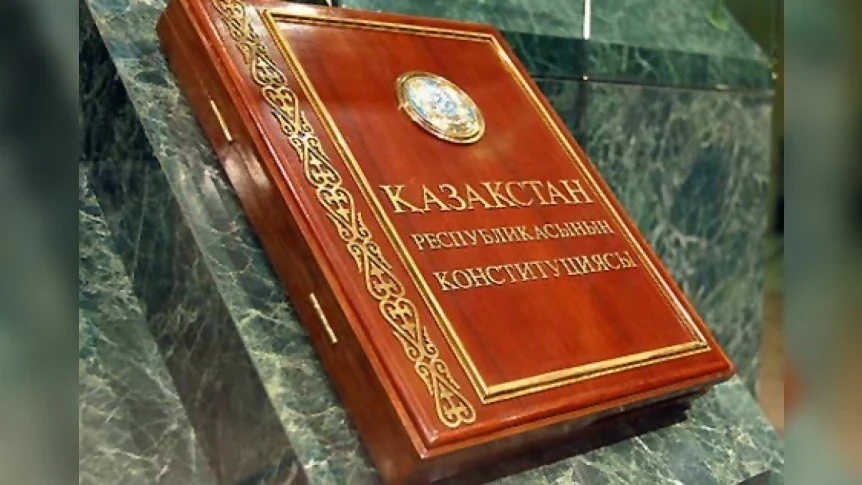
The referendum will concern a new edition of the Fundamental Law, which includes changes to 77 articles, accounting for approximately 84% of the current text.
From reforms to a mature institutional system
The new Constitution is viewed not merely as isolated changes but as a comprehensive modernization of the entire state system. The primary goal is to transition from the formation of statehood to mature institutional development, where key aspects become legal clarity, balance of power, and systemic accountability.
This document establishes not only the foundations of sovereignty but also the mechanisms for its implementation, clearly defining powers, procedures, and boundaries of authority.
A new structure of the political system
Significant changes include:
- transition to a unicameral parliament
- strengthening the role of the Kurultai in the state system
- creation of a new body — Қазақстан Халық Кеңесі (People's Council), which has the right of legislative initiative
- introduction of the vice-presidential position
These measures aim to enhance governance efficiency and expand citizen participation in the political process.
Balance of power and prevention of concentration of authority
The Constitution maintains a presidential form of government but strengthens mechanisms of checks and balances.
The appointment of judges of the Constitutional Court, members of the Central Election Commission, and the Supreme Audit Chamber will be carried out by the president with the consent of the Kurultai, creating a system of joint responsibility and reducing the risks of power concentration.
Strengthening the role of the Constitutional Court
The Constitutional Court becomes an independent body that ensures the supremacy of the Constitution.
Its decisions will be final, and norms recognized as unconstitutional will lose their force. An important innovation is the right of citizens to directly appeal to the court to protect their rights.
Human rights and digital reality
The project updates the system of rights and freedoms in accordance with modern realities:
- enhanced protection of personal data and digital communications
- establishment of the principle of non-deterioration of citizens' rights
- expanded procedural guarantees during detention
These changes bring the national legal system closer to modern international standards.
Ideological and legal changes
The Constitution includes:
- marriage as a union of a man and a woman
- priority of national law over international law
- preservation of the status of the Russian language as official alongside Kazakh
These provisions reflect the course towards strengthening legal sovereignty and national identity.
Accountability system and succession of power
The document introduces restrictions on reappointment to senior positions, establishes clear procedures for the resignation of the president and election timelines.
The institution of the vice-presidency ensures stability and governance during transitional periods.
Economy, ecology, and development
The Constitution provides for:
- special legal regimes for regional development
- creation of a sustainable investment environment
- establishment of ecological responsibility and principles of sustainable development
This reflects the integration of economic and ecological agendas into the Fundamental Law.
Referendum and citizen participation
Amendments to the Constitution will be adopted exclusively through a nationwide referendum, enhancing the democratic legitimacy of the process.
Additionally, citizen participation is expanded through the new institution of the People's Council, which will include at least 130 representatives of society.
Transitional period and key dates
- February 11, 2026 — the project will be presented to the president
- March 15, 2026 — date of the referendum
- July 1, 2026 — possible entry into force of the Constitution
The transitional provisions aim to prevent legal vacuums and ensure system stability.
Conclusion
The new Constitution of Kazakhstan forms a model of a more structured and balanced state.
It combines institutional reforms, strengthening of legal mechanisms, and expansion of citizen participation, reflecting the country's aspiration for modernization and long-term stability.