
From February 9 to 13, the average wholesale price of AI-92 gasoline increased by 6.9%, reaching 62,431 rubles per ton. At the same time, AI-95 rose by 5.8%, reaching 63,545 rubles per ton. This price increase is the highest since July 2022.
On the St. Petersburg exchange on Monday, AI-95 quotes reached a two-month high of 63,787 rubles per ton, while the price of AI-92 slightly decreased by 0.3%, amounting to 62,096 rubles per ton.
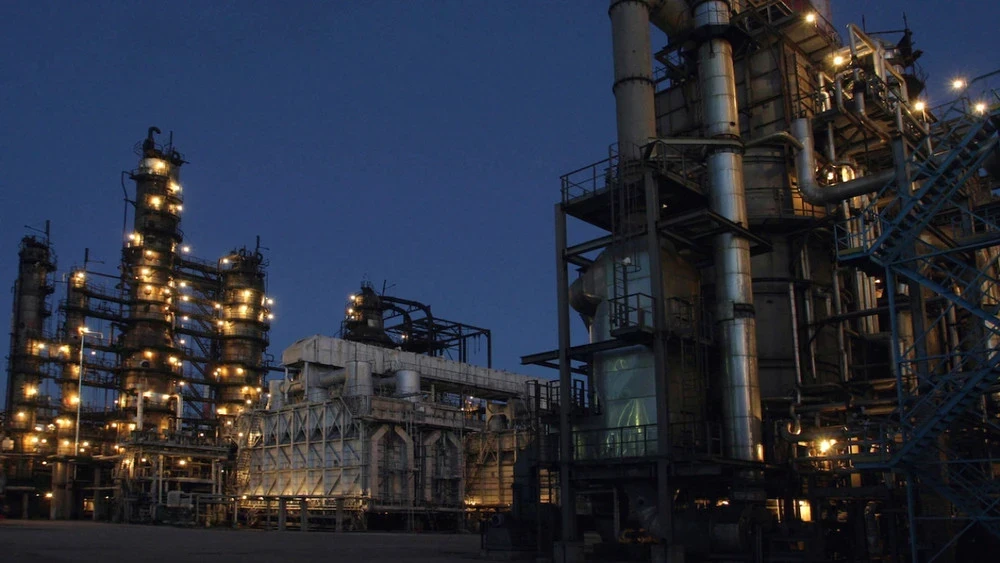
The main reason for the increase in gasoline prices in the wholesale segment, according to traders, is the resumption of attacks on oil refineries. In particular, on Wednesday, after a drone strike, production at the Volgograd refinery, which can process 13 million tons of oil per year and is one of the largest in the country, was halted. On Thursday, another raid led to a fire at the Ukhta refinery.
“Volgograd, then Ukhta... Clients started to react actively — many requests came in,” shared information from one source to Reuters. Another source reported that the Volgograd refinery would not be able to sell fuel until March, although the timeline for recovery remains uncertain. There is a possibility that shipments could resume as early as next week.
“If production really resumes as promised, prices may return to previous levels,” noted one trader.
The publication also reminds that last year, Russian oil refineries were attacked by drones more than 81 times. This led to significant losses in the industry, where capacity was reduced by 10-20%. The downtime for primary oil processing reached a historical maximum, causing a fuel crisis in various regions of Russia — from Kamchatka to Central Russia. As a result, queues formed at gas stations, there was a fuel shortage, and the practice of selling gasoline by coupons resumed. Oil supplies to refineries fell to a 15-year low, and the losses of oil companies from drone attacks exceeded one trillion rubles.


