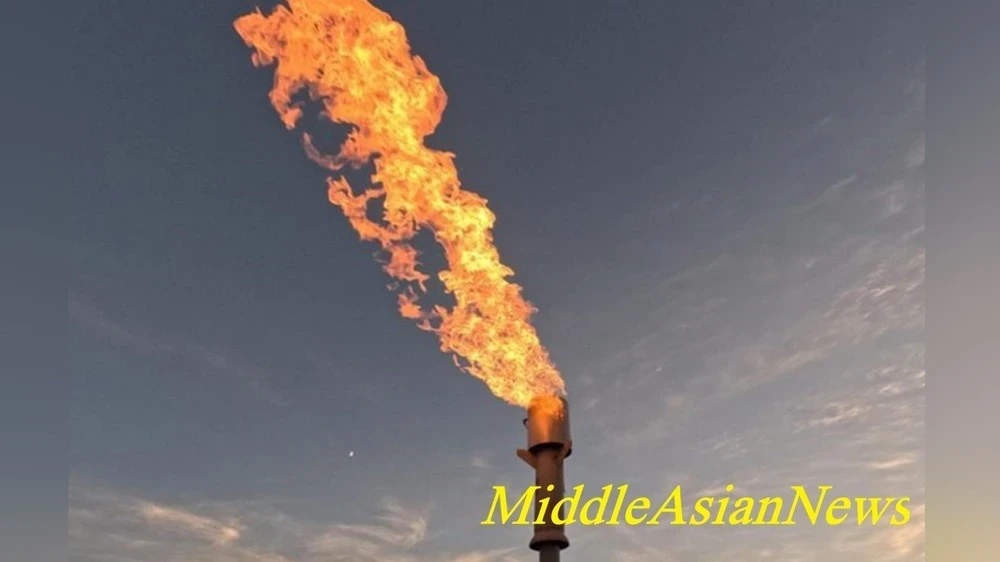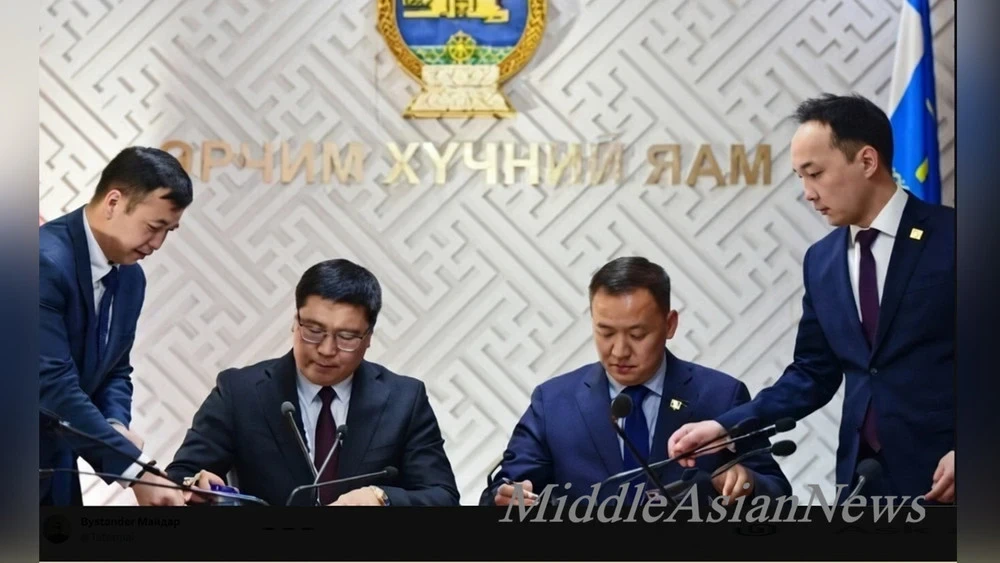
The Ministry of Energy of Mongolia, together with representatives of TMK Energy, has signed a Memorandum of Understanding (MoU).
As part of a joint project with the Ministry of Energy of Mongolia, TMK is developing strategies for the extraction and processing of methane contained in coal seams. Details can be found in the article on MiddleAsianNews.
TMK Energy and the Ministry of Energy of Mongolia have signed an agreement aimed at exploring the possibility of rapidly integrating natural gas into the country's energy system. This could significantly accelerate the development of the project if permission is granted to use methane from coal seams as an additional energy source.
“The Memorandum of Understanding (MoU) focuses on studying the feasibility and benefits of integrating natural gas, including coal seam methane, into Mongolia's long-term energy policy,” the official statement said.
The project includes an initial study in which methane will be considered as a source of electricity for peak loads. This is necessary to ensure stable energy supply during times of maximum demand. The study will also aim to identify opportunities that can be used to improve Mongolia's energy supply chain.
TMK, the owner of the coal seam methane extraction project Gurvantes XXXV in southern Mongolia, has an excellent foundation for increasing profits through the growing use of gas as fuel alongside coal.
Mongolia faces serious challenges in its energy system, including power supply interruptions during the winter months, when there is an increase in demand for heating and industrial use.
Outdated infrastructure and insufficient generating capacity have led to problems in meeting peak demand and, consequently, to power supply interruptions. New flexible fuel sources are needed to ensure stable supplies during peak loads, and natural gas could be a key solution to this challenge.
The Ministry of Energy is responsible for the development, management, and regulation of Mongolia's energy sector, ensuring system reliability and supporting national development goals.
The use of vast reserves of coal seam methane could provide a long-term solution to Mongolia's energy security problem.
“This memorandum of understanding is an important step forward for TMK and the government of Mongolia, and it also confirms the developing coal seam methane extraction industry. It underscores the government's recognition that natural gas can be a viable alternative to coal, which will enhance long-term energy security and diversify domestic energy sources,” noted Dougal Ferguson, CEO of TMK Energy.
Ferguson added that natural gas could become a cleaner and more efficient energy source that would help optimize existing generation infrastructure and reduce dependence on imported electricity.
Coal seam methane is a type of natural gas that consists of 95-97% pure methane, adsorbed onto coal and held under water pressure. To extract it, pressure must be reduced by pumping out water, allowing methane to be released from the coal matrix, making it an unconventional gas.
Gas from coal seams is a cleaner fuel, as it emits half the carbon dioxide when burned compared to coal and burns more efficiently than other fossil fuels.
Natural gas, unlike coal seam methane, is extracted from porous sandstones, where gas is held under pressure without the need for pumping.
Last week, TMK set a record for gas production at its pilot project, which is part of the Gurvantes coal seam development.
On January 21, TMK achieved a new record by producing 674 cubic meters of gas per day, which is over 23,800 standard cubic feet. A new monthly record of 18,370 cubic meters was also set.
The reserves of coal seam methane in Mongolia could be beneficial due to two factors: the country needs to strengthen its energy resources, and it is close to northern gas pipelines in China, opening up prospects for potential gas field development projects.