

The project "Cataloging and Digitization of Texts in Tibetan Language" has been completed as part of a seven-year agreement between the National Library of Mongolia (NLM) and the American non-governmental organization Asian Legacy Library (ALL). This was reported by MiddleAsianNews.
From 2018 to 2025, during this initiative, 11,359 manuscripts were registered, with 199,986 entries added to the catalog. In the process of digitization, 9,930 manuscripts, which contain 3,026,668 pages, were successfully converted to digital format.
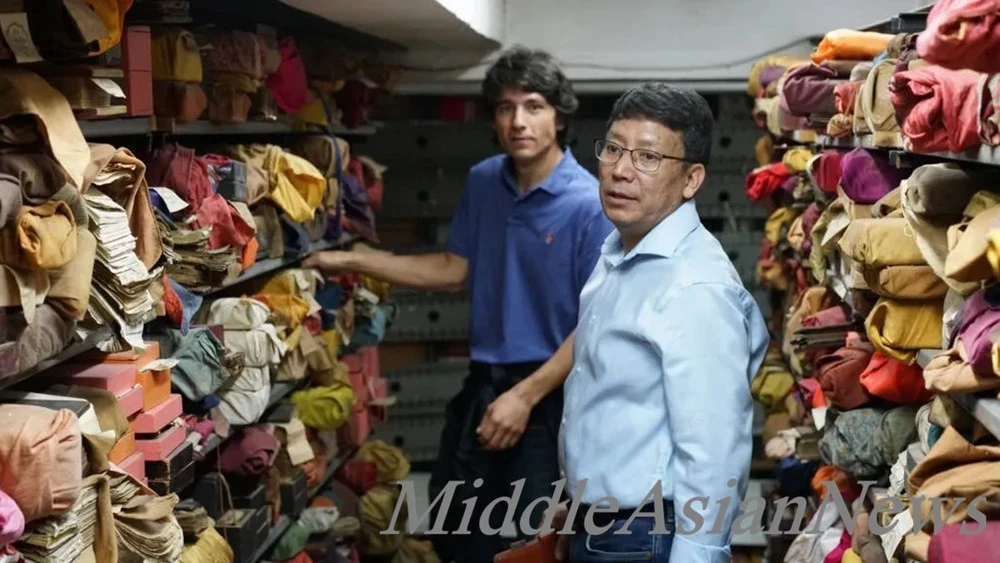
The project for the digitization and registration of rare manuscripts at the National Library of Mongolia has significantly improved their protection and preservation, as well as simplified access for researchers.
The digital conservation initiative, launched in 2018, covers the extensive Tibetan collection of the NLM, which includes over 40,000 manuscripts and woodblock prints. The project involves digital cataloging, scanning, and archiving, which prevents deterioration and loss of vulnerable texts. Asian Legacy Library provides technical support, funding, and training, as well as ensures secure storage and open access to materials through its digital library in collaboration with the Buddhist Digital Resource Center (BDRC). This program strengthens the NLM's capabilities in long-term digital conservation, preserving Mongolia's cultural heritage for future generations and making it accessible both locally and internationally.
History
The National Library of Mongolia, established in 1921, plays a key role in preserving the cultural and intellectual heritage of the country. The Tibetan collection of the NLM, which comprises over 40,000 manuscripts and prints, is a valuable resource for studying Mongolian Buddhism and the cultural heritage of Mongolia.

Since the 13th century, these works have been kept in private libraries and homes, forming the cultural foundation of the country, before being consolidated into the National Library. Today, the NLM is the main repository of these treasures. In 2018, a cooperation agreement was signed between ALL and the NLM, which ensured the preservation and global access to this important cultural heritage.


