
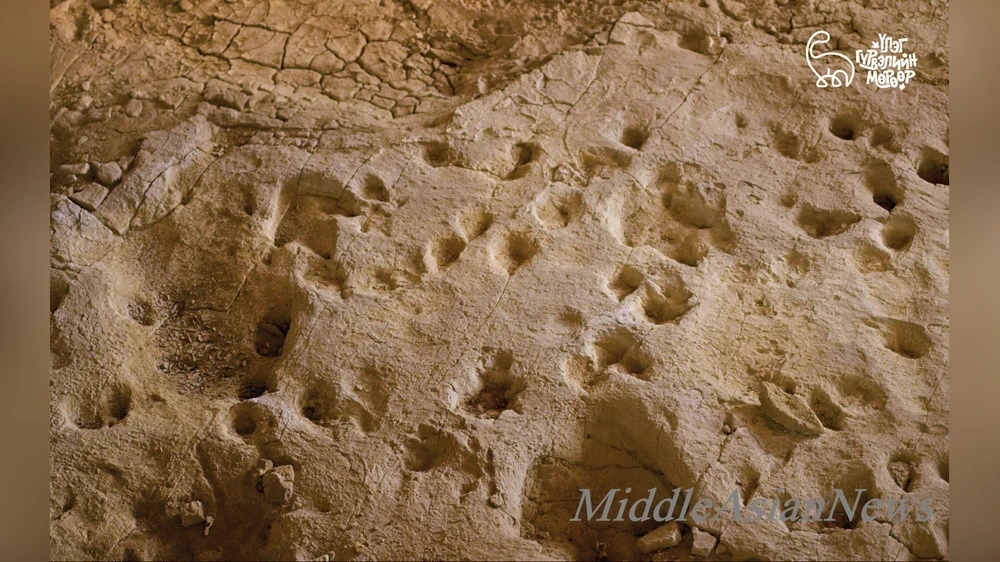
UNESCO Global Geoparks, located around the world, represent unique formations that have arisen at the intersection of many factors, such as natural history, cultural heritage, scientific achievements, and local traditions. This information is presented in an article by MiddleAsianNews.
These unique territories not only attract attention with their rare geological formations but also serve as natural laboratories and museums, allowing us to understand the evolution of the world and the impact of humans on the environment. Moreover, they have become an important part of the sustainable development of local communities, fostering harmony between nature and humanity.
China, our neighbor to the south, is the leader in the number of geoparks, accounting for 20% of the total number of UNESCO geoparks. One of the most famous is the Zhangjiajie Geopark, renowned for its majestic limestone pillars and mountains that appear to float in the clouds. This region also gained fame due to the movie "Avatar".
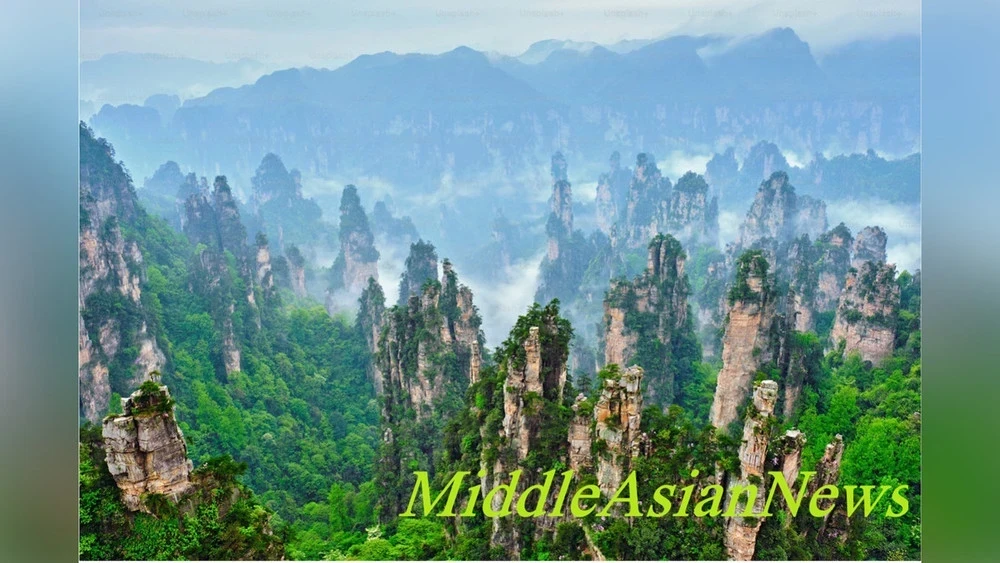
Zhangjiajie Geopark
The formation of geological structures in this region occurred about 300 million years ago, and today they attract the attention of tourists and scientists. This outstanding site, combining natural beauty, scientific significance, and cultural heritage, has become one of the most vivid examples of geoparks registered by UNESCO in China.
In Europe, there are 94 geoparks, in Asia and the Pacific — 104, in Latin America — 9, in North America — 5, and in Africa — 6.
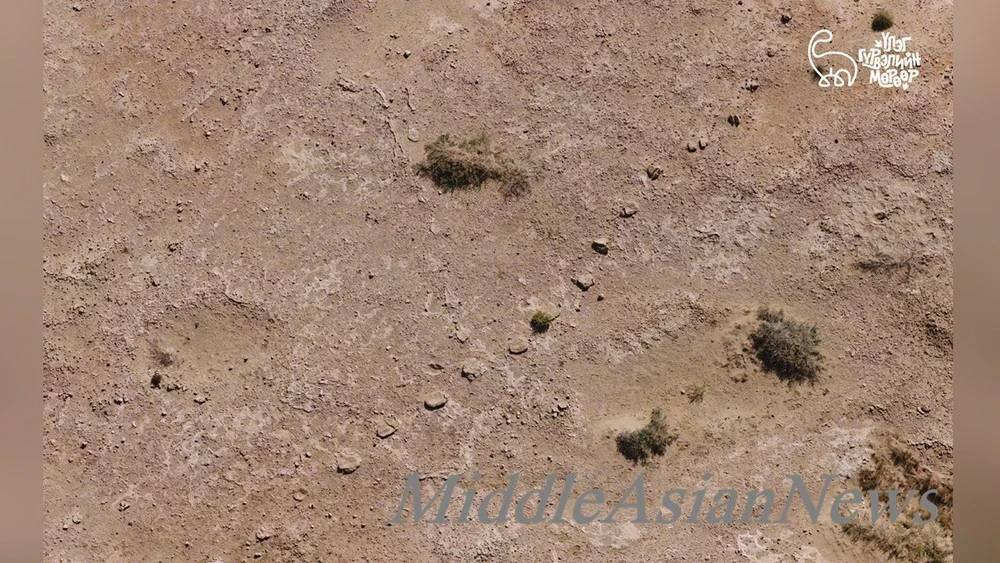
Mongolia is striving to join the ranks of these amazing geoparks for the first time.
The Shar-Tsav region, located in the Manlai sum of the Ömnögovi province, is a unique site with a rich historical heritage. More than 13,600 dinosaur fossils have been found here, including the rare bird-like dinosaur Avimimus (Avimimus protentosus Kurzanov, 1981), which is preserved only in Mongolia. Currently, preparations are underway to include this region in the international Global Geoparks network.
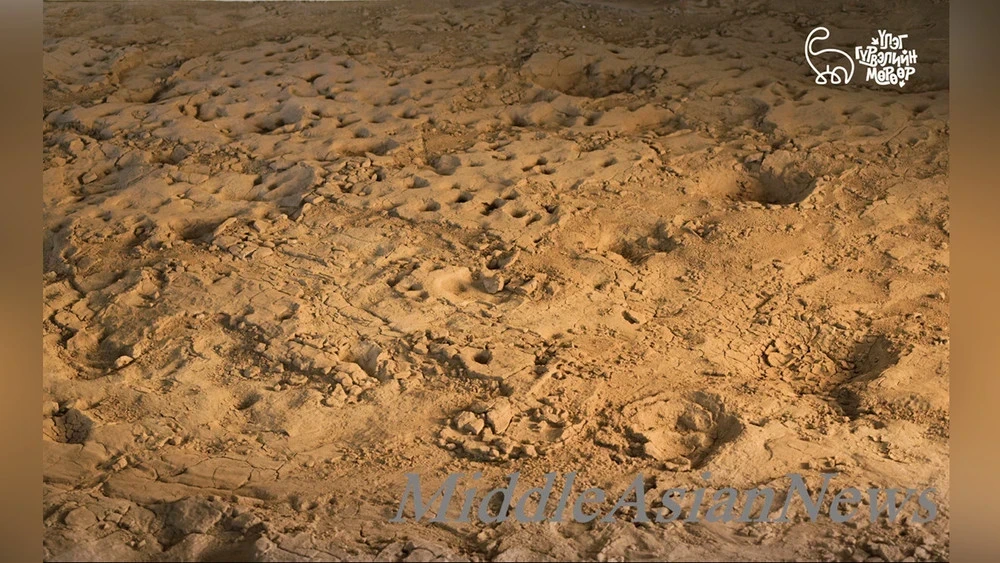
The project is being implemented with the support of UNESCO and Rio Tinto, aimed at developing sustainable tourism in Mongolia and protecting its unique geological heritage on a global level. As part of this initiative, Shar-Tsav is being prepared for inclusion in the Global Geoparks Network.
Creating a geopark will not only preserve natural and geological treasures but also improve the lives of local residents and promote national crafts and traditional cuisine on the international stage through tourism development.
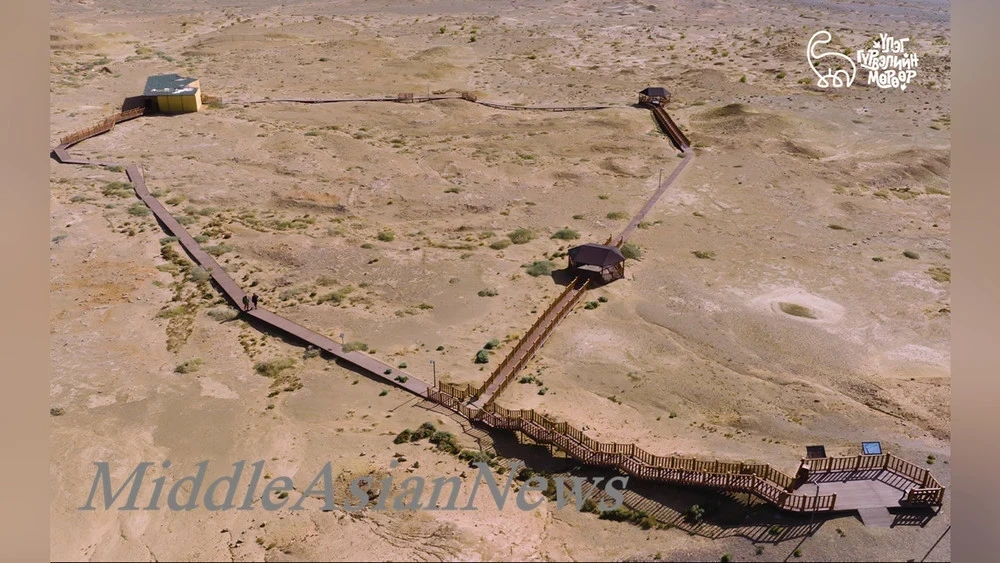
By creating a geopark in the Shar-Tsav region, Mongolia will have the opportunity to become part of the Global Geoparks Network and present to the world its ancient history preserved in the Gobi Desert for millions of years. This will mark the beginning of a new era, opening up opportunities for the development of local communities and demonstrating harmony between humans and nature.
Mongolia is on the brink of establishing its first national geopark, which will be included in the UNESCO list, in the territory of South Gobi, where dinosaurs once roamed.


