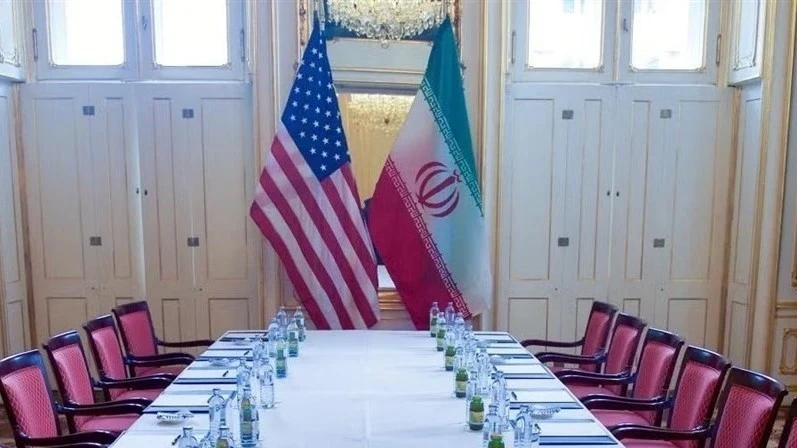
After the meeting on Friday, the parties agreed to hold the next round of negotiations following consultations with their governments. According to sources, both delegations assess the results of the meetings as positive, but official comments from Washington are still absent.
The Iranian delegation at the negotiations in Muscat was led by Foreign Minister Abbas Araghchi, while the U.S. side was represented by Special Envoy for the Middle East Steve Wittecoff. The negotiations were mediated by Oman, and representatives of the two countries did not meet face to face.
The meetings took place at the residence of Oman's Foreign Minister Badr Albusaidi, who acted as a mediator, relaying messages between the delegations. Albusaidi noted that the negotiations were "very serious" and aimed at laying the groundwork for the resumption of diplomatic and technical dialogue, rather than for the immediate signing of a nuclear deal.
Araghchi emphasized that the discussions were exclusively about the nuclear issue and should take place in a calm atmosphere, without threats and pressure. For its part, the U.S. claims that the agenda should also include issues related to Tehran's support for armed groups and the development of ballistic missiles.
Earlier, the IAEA reported that Iran is the only country that has achieved uranium enrichment to 60% purity without possessing nuclear weapons. Additionally, Tehran is not allowing agency inspectors access to facilities that were damaged during the June conflict with Israel, which raises concerns among experts on nuclear non-proliferation.