The new budget presented by the Indian authorities emphasizes their ambitions to strengthen the country as one of the centers of global manufacturing. This budget includes measures aimed at increasing production in key sectors such as biopharmaceuticals and semiconductors, as well as supporting small businesses. However, analysts warn that the allocated funds of about $630 billion may prove insufficient, especially considering the need to seek new markets for trade diversification. More on this is reported by SCMP.
Finance Minister Nirmala Sitharaman announced these initiatives, noting that the new budget addresses two key tasks: creating jobs for youth and utilizing free trade agreements to boost exports.
Among the planned expenditures are 100 billion rupees (approximately $1 billion) for the development of the biopharmaceutical sector, another 100 billion rupees for container manufacturing, and 50 billion rupees for the production of semiconductors and displays. Overall, the budget has increased by 7.7% compared to the previous year.
According to Sitharaman, the government intends to develop manufacturing in seven strategically important sectors, including biopharma, semiconductors, electronic components, and rare earth magnets. Plans also include the creation of three chemical manufacturing parks to reduce dependence on imports.
Additionally, the authorities announced the upgrade of 200 existing industrial clusters to enhance their efficiency, the establishment of five regional medical centers to stimulate tourism and healthcare, as well as the construction of five university campuses near industrial corridors.These steps are expected to help India move closer to its long-term goal of increasing the share of manufacturing in GDP to 25%, while currently this figure stands at about 16-17%.
Saurabh Agarwal, a partner at consulting firm EY India, noted that the new federal budget shifts the focus towards transforming India into a global manufacturing power.
Despite the growth of investments in certain sectors, which has contributed to an increase in the export of smartphones and cars, India faces stiff competition from smaller countries, especially in the electronics and textiles sectors.
In the last decade, Indian clothing exports have significantly lagged behind countries like Bangladesh and Vietnam, attributed to high labor costs, smaller production scales, and a lack of duty-free access to key markets.
The budget also includes 120 billion rupees through two funds to support micro, small, and medium enterprises, which should help in creating leading companies.
Manoj Purohit, a partner at BDO India, believes that such measures will help attract additional investments in business.
The government's capital expenditures have been increased to 12.2 trillion rupees (about $133.1 billion), which is an increase from the previously planned 11 trillion, amid caution from private investors. Last year, New Delhi reduced tax incentives to protect the economy from high tariffs imposed by the U.S.
The Indian economy continues to show good resilience even with existing tariffs of up to 50%, and it is expected to grow by 7.4% in the fiscal year ending in March 2026.
Christian de Guzman, senior vice president at Moody's Ratings, stated that India's sovereign credit profile will remain stable following the adoption of the new budget.
However, the expert warns that support measures, such as the Goods and Services Tax (GST) reform, may lead to a decrease in tax revenues and increase the debt burden.
Biswajit Dhar, an economics professor at the Council for Social Development in Delhi, believes that new measures alone are not enough to accelerate growth in the industrial sector, especially in the small and medium business area.
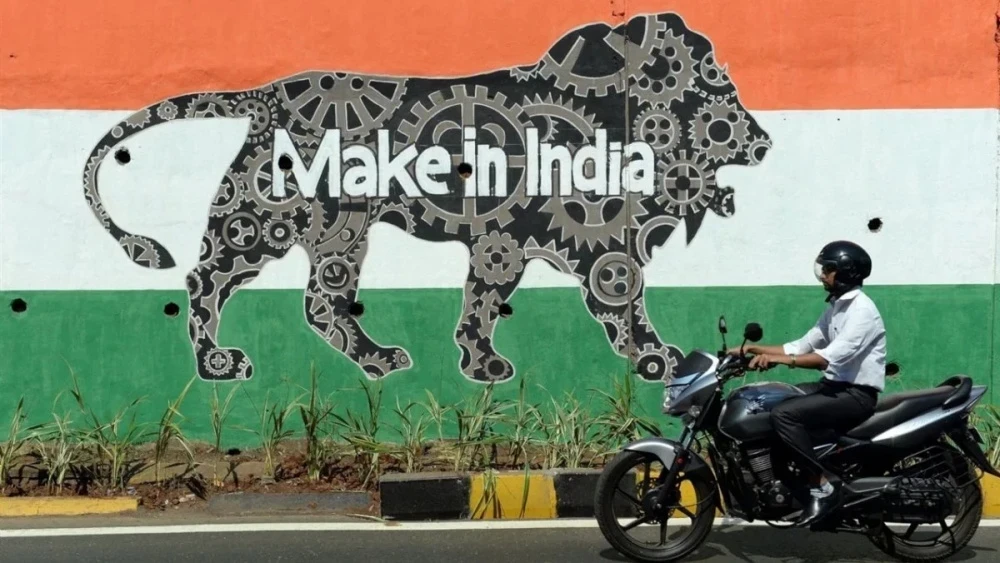
India already has programs to stimulate manufacturing, such as the Make in India initiative launched in 2014 and the Production Linked Incentive program introduced in 2020, which offers financial incentives for local manufacturers.
He also called for greater clarity regarding new initiatives so that investors involved in previous projects do not become confused and can expect additional benefits.
According to him, despite the need to support businesses, the sector requires a new institutional framework to address systemic issues, as many companies lack assets for collateral when obtaining loans. About 90% of Indian enterprises fall into this category.
Dhar emphasized that there is a need to focus on stimulating demand to attract private investments.
In its new budget, the government announced its intention to implement gradual reforms and create a more favorable environment for foreign investments, which analysts believe will contribute to further industrial growth.