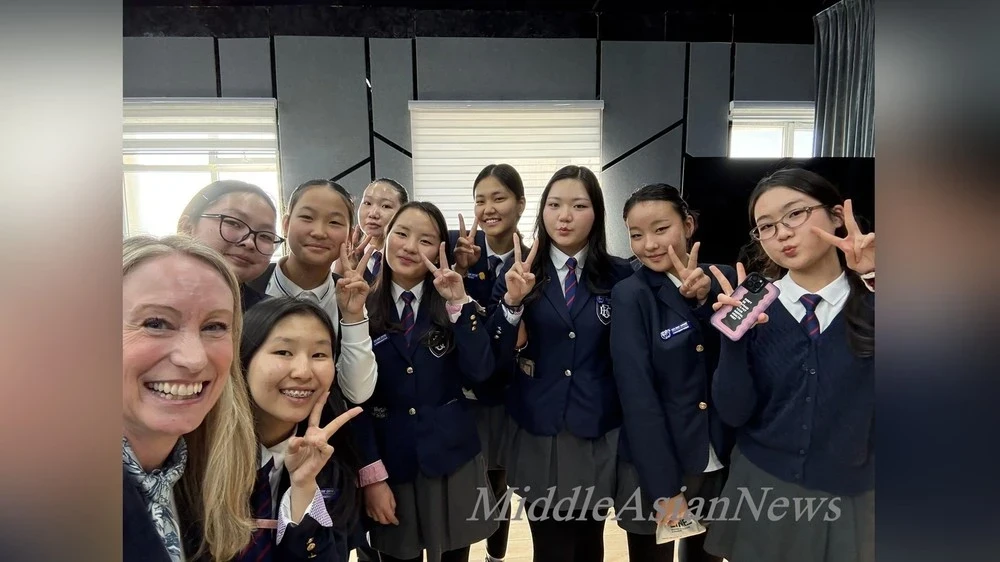
For the successful establishment of the English language as a second language, the interaction of three key participants is necessary: the government, students, and teachers. It ceases to be just a subject and transforms into a crucial competency for shaping a new generation of global citizens. The UK government actively supports the Mongolians in this process. This was reported by MiddleAsianNews.
“Thanks to the UK-supported program, the study of English covers all of Mongolia,” noted the British Ambassador to Ulaanbaatar, Fiona Blight.
Recently, Ambassador Blight visited the Dundgovi aimag, where she met with students and teachers.
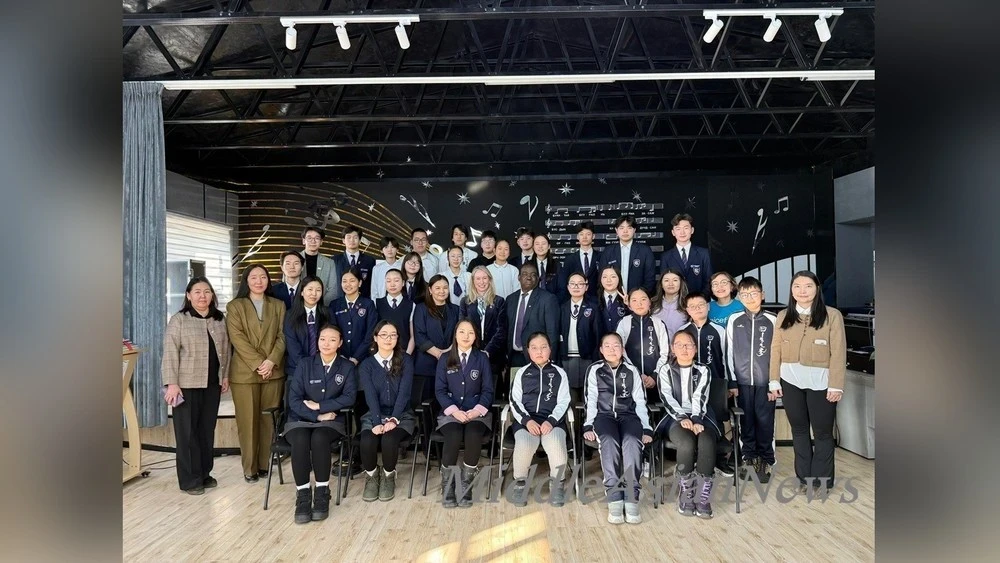
“As part of the educational initiative, 56 teachers and 7,291 students from the Dundgovi aimag have undergone training. It was an inspiring experience to see how learning English opens up new opportunities for them,” added Fiona Blight.
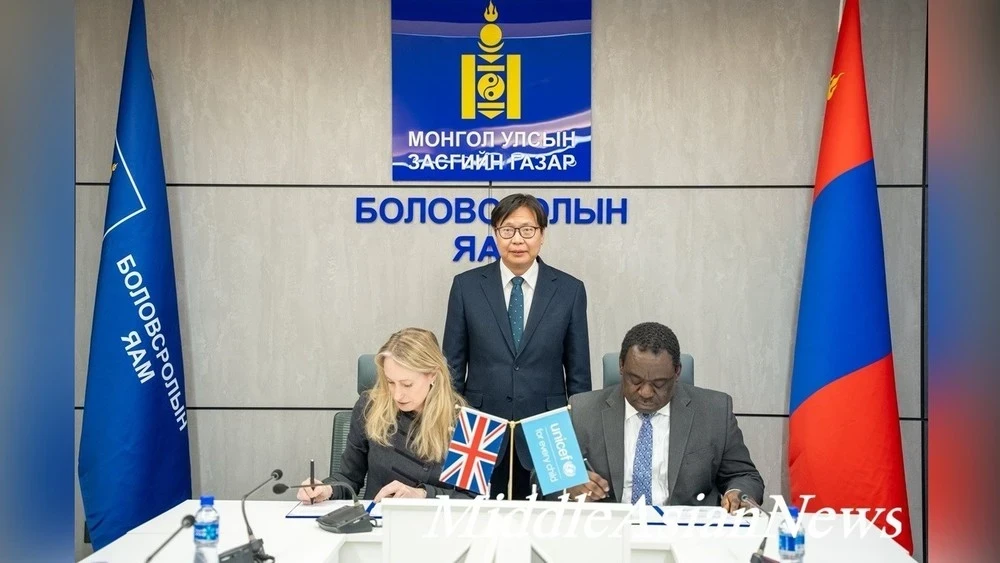
On December 16, 2025, Fiona Blight signed a Memorandum of Understanding, which marked the start of the second phase of the project “Supporting English Language Skills for Teachers and Students in Remote Regions,” funded by the UK government and implemented by UNICEF in collaboration with the Ministry of Education of Mongolia.
One of the projects being implemented with the support of the UK is the program for Chevening participants.
Experienced educators, who share their knowledge, are working with teachers from the Uvs aimag. This primary school training course is led by Ariunzul Liijuu-Ochir, a graduate of the Chevening program, with financial support from the fund of this program.
Thus, the UK actively supports Mongolian teachers in ensuring quality English language education and invests in the future of students across the country.
With the support of the UK, the Pearson English curriculum was integrated into the general education system of Mongolia in the 2023-2024 academic year. Starting in 2025, students in grades 5-7 will study English comprehensively under this program. In the next academic year, 2025-2026, it is planned to gradually include students in grades 3-9.
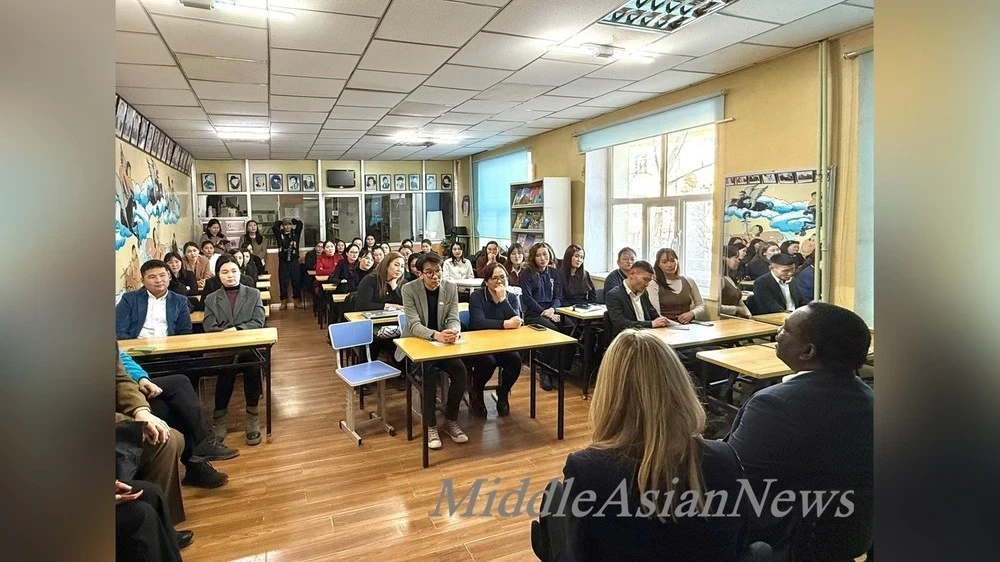
By 2025, 2,300 English teachers have been trained, and updates to the program are planned to engage additional teachers through modular professional development courses, training in blended learning methods, and improving teaching standards.
There are also plans to develop a policy for teaching English and create educational materials based on the Pearson program.