
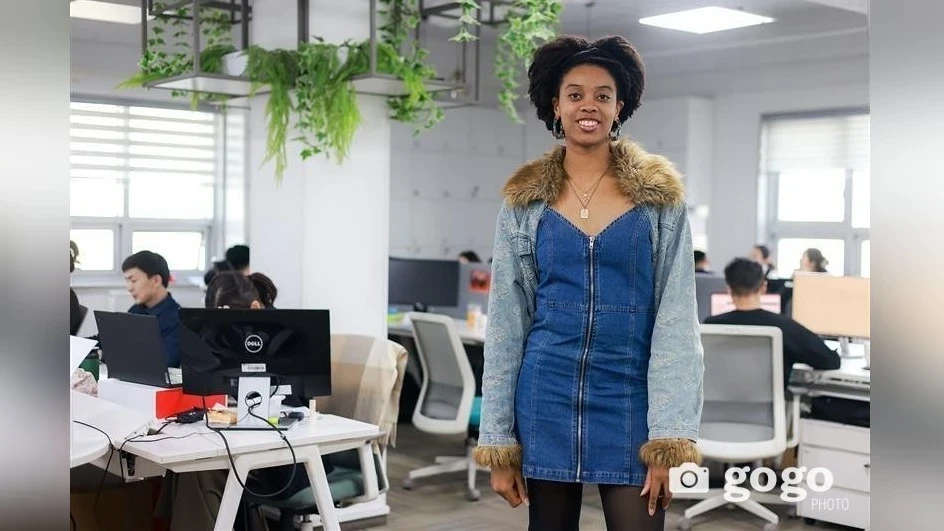
Faye Steel: Life in Mongolia has taught me patience.
As part of the "Mongolia through the eyes of a foreigner" series, the website GOGO conducted an interview with Faye Steel, a U.S. citizen who has been working in Mongolia for over a year as an ESG strategy specialist at Mobicom. This was reported by MiddleAsianNews.
— First, tell us about yourself.
— I am Faye Steel, originally from New York. When I tell people in Mongolia that I am from New York, they always get excited and ask if I live near Times Square. I usually have to explain that I actually live on Long Island, which is a 30-minute train ride from the city.
Long Island is bordered by the Atlantic Ocean and bays, which feature numerous beaches and national parks. This region is rich in history and is famous for its Gatsby-era homes that are open for tours, and I often visit them with my family in the summer.
I am a professional in sustainability and have worked in the nonprofit sector for over five years, conducting research and collaborating with experts to address environmental issues.
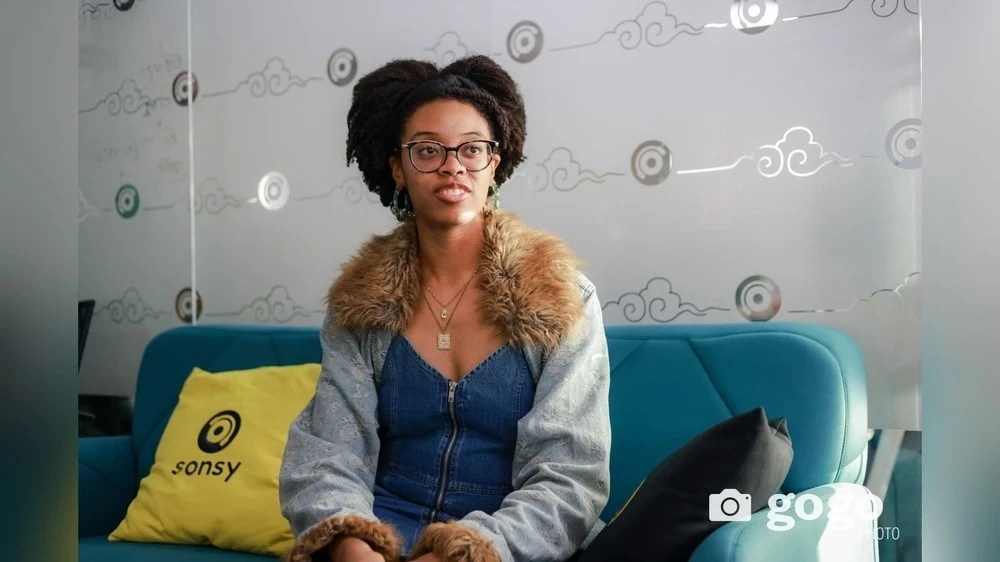
Now I work at Mobicom, which is my first position in a large corporation, and I am learning a lot. I am new to the tech sector, as I previously worked mainly in the financial sector on sustainability issues without touching Mongolia. This is a new experience for me, and I am learning a lot about both Mongolia and the tech industry.
— What were your first impressions when you arrived in Mongolia?
— It was a year and two months ago. When I landed at Chinggis Khaan International Airport, the first thing that caught my attention was the mountains. I was amazed by their beauty. In New York, where I lived, there are no such landscapes. I thought, "How great it would be to climb these mountains or ski down them!"
I was also surprised by the modernity of the city, especially the new buildings. Since my arrival in Ulaanbaatar, many new structures have appeared. In New York, being a city with a long history, new infrastructure is not built as frequently, and this impressed me.
— What brought you to Mongolia for work and life?
— I came to Mongolia through the Princeton in Asia Fellowship Program. Each year, up to ten fellows are selected to work in Mongolia at various companies and organizations. This year, I am one of six participants.
The program also offers internships in other Asian countries, such as Japan and Thailand. However, I chose Mongolia because there are many opportunities in sustainability, which perfectly aligns with my career aspirations.
My first job here was at the Mongolian Sustainable Finance Association, which marked the beginning of my journey in this field.
— So, is this your first experience working abroad?
— Yes, this is my first experience living and working outside my home country.
— How are you adapting to life in Mongolia?
— Life here has many differences compared to home. One of the first things I noticed was the high altitude of Ulaanbaatar. The city is located at a significant elevation, and at first, I had difficulty breathing due to the thin air. However, I got used to it, and now I feel quite comfortable.
The issue of air pollution has also become a serious challenge. Even in New York, I did not encounter such conditions. In winter, I wear a special mask for protection, and I am surprised that some foreigners walk around without one, but I prefer to be cautious.
The climate also requires adaptation. Although it snows in New York, winters here are much harsher, and temperatures can drop to minus 20 degrees Celsius. Fortunately, in Mongolia, you can find excellent winter clothing, and I have purchased warm items made from yak wool, camel wool, and cashmere at markets like Naran Tuul and the Sunday Plaza shopping center.
— Where do you live and how do you get to work?
— I live near the office, just a ten-minute walk from it, close to an amusement park. I used to live near work as well. Usually, I only use public transport on weekends, as traffic is quite heavy on weekdays, and it’s more convenient to walk.
— What do you do in your free time in Mongolia?
— My colleagues consider me an active person, although sometimes I feel like I am not doing enough, as there is so much interesting stuff in Mongolia!
I joined a badminton club and was a member of the "Khatun" club near the Wrestling Palace last year. This year, I joined another club near the Tengis cinema, where I play two to three times a week. On weekends, I sometimes go with friends to local basketball or volleyball matches.
I also enjoy attending the opera, ballet, and movies. I am always looking for new hobbies and events. I have met interesting people and try to be open to new opportunities.
— What is your favorite Mongolian dish?
— My favorite dish is bantan, which is often seen as a hangover food. People are surprised when I say this and joke that it's food for children. But I like its simple and pleasant taste. I find it in rural areas, but it is quite hard to find in Ulaanbaatar.
— Have you traveled outside the city? What impressions did you have?
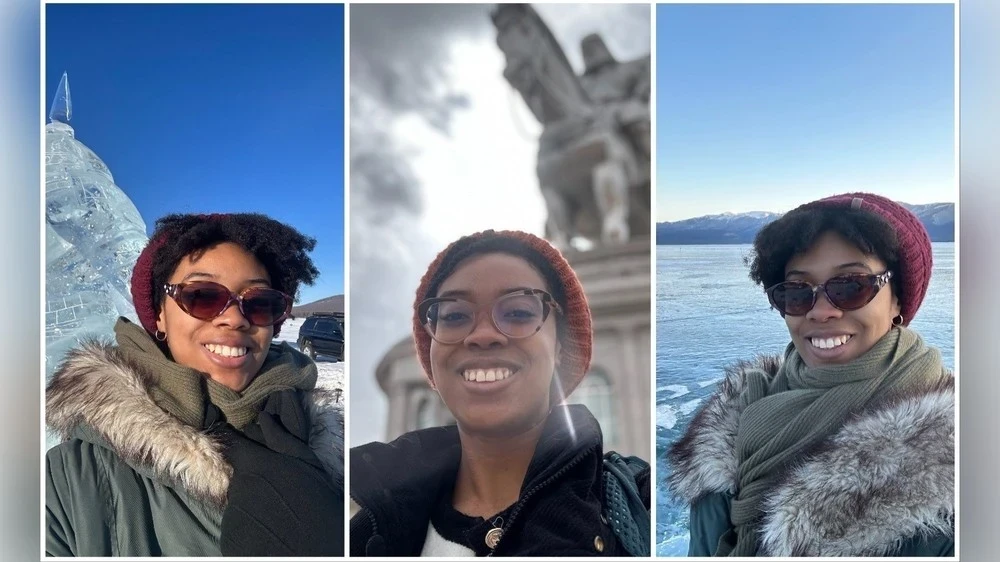
— Yes, I have visited several aimags. Recently, I attended the Uvs aimag during the Naadam festival and the Khuvsgul aimag during the Ice Festival. I also participated in outdoor events with young professionals and rode camels with the Brilliant Tree Fund project team.
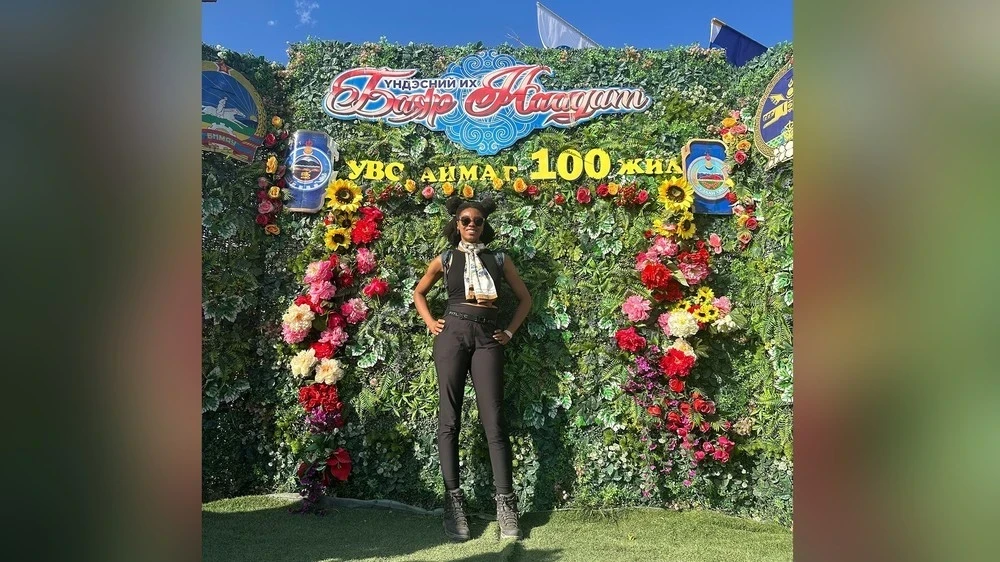
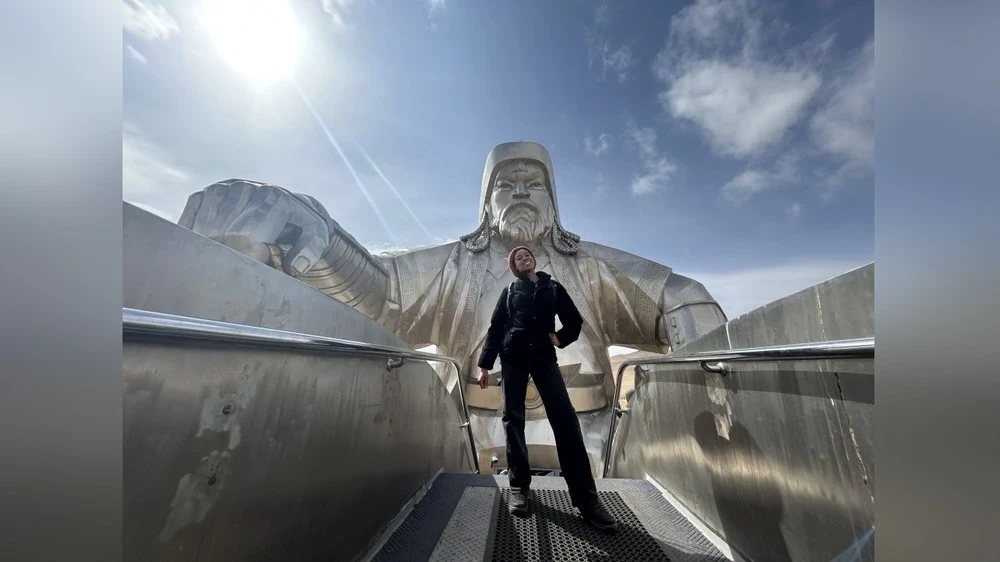
I also visited the birthplace of Genghis Khan, and it left a powerful impression on me. I went to the Bulgan aimag. Each trip reveals a new fascinating side of Mongolia.
— Are you studying the Mongolian language?
— Yes, learning the local language is an important part of the Princeton in Asia Fellowship program. I started learning Mongolian a month or two before moving and continue my lessons at the American Center for Mongolian Studies. My teacher is excellent, especially in helping with pronunciation, which makes learning enjoyable.
— How difficult is the Mongolian language compared to others?
— Surprisingly, I find it easier to learn Mongolian than Japanese or Chinese, which I tried to study earlier. I speak English and a little Spanish, and now Mongolian is my third language.
I can already express my thoughts in Mongolian, but I still feel shy about speaking. I find it easier to write messages, but my colleagues support me, and I hope to speak more freely soon.
— What impressed you about traditional holidays like Naadam and Tsagaan Sar?
— Naadam made a strong impression on me, especially the three traditional sports: wrestling, archery, and horse racing. At first, I didn’t understand how the competitions worked, but once I figured it out, I started to celebrate along with everyone else. The celebration in Uvs aimag was special — the food, atmosphere, and performances were just magnificent.

— How would you describe the corporate culture in Mongolia?
— I have noticed that the work culture in Mongolia is more flexible. There is a hierarchy, especially at Mobicom, which is related to the Japanese roots of the KDDI company. Nevertheless, there is generally greater flexibility; for example, lunch breaks here are often longer than in the U.S.
In the U.S., lunch usually lasts 30 minutes to an hour, after which you immediately return to work. In Mongolia, colleagues are more supportive, and I find it easy to communicate with management, share ideas, and receive help. My suggestions have been received enthusiastically, for which I am very grateful.
Corporate events are also different.
Last year, I participated in the Naadam ceremony in Ulaanbaatar and then attended the Naadam celebration for the 100th anniversary of the Uvs aimag. In Mongolia, leaders actively participate in corporate events, creating a warmer atmosphere.
— What technologies would you like to see in Mongolia?
— I would like to improve the postal and parcel delivery system. Receiving a package is quite difficult right now. I often order items to the office to ensure they reach me.
When I returned to the U.S. for a few months last year while waiting for a new visa, friends asked me to bring things since it’s easier than ordering online. Given how delivery services have developed after the pandemic, I see great opportunities for improvement.
— What is the most important thing you have learned since arriving in Mongolia?
— Patience. Life here has taught me to be patient both in work and in communication with people. Mongolians are not always open to communicating with strangers, especially foreigners. I have learned to be persistent, friendly, and open, and over time, people become more trusting.
— How many Mongolian friends have you made besides colleagues?
— I have met many people as I lead an active lifestyle. I am also a member of the Global Shapers community, which brings together young professionals in Ulaanbaatar. There are about 20-30 people in the community, and we often organize events.
Additionally, I have made friends at events like Creative Mornings and in a running club. Although I don’t run in winter due to air pollution, I still keep in touch with those I met there.
— Do you have a boyfriend?
— No. This is one of the first questions my colleagues often ask — whether I have a boyfriend or husband.
— Have you ever been asked out on a date here?
— Yes, since I moved here, I have been on dates several times. All of them were interesting and pleasant; the men were respectful and kind.
— What do you think of Mongolian youth, especially the Gen Z generation?
— I belong to the older segment of Gen Z, so sometimes I feel closer to millennials. However, I am impressed by the Mongolian Gen Z generation. Many of them are becoming homeowners, obtaining professional certifications, reading a lot, and are full of ambition.
I admire their dedication to their homeland and its future. Even those who study or work abroad often return to contribute to Mongolia's development. This sense of responsibility and optimism is inspiring.
— Is there anything you would like to say in closing?
— Many foreigners, even those who have lived here for decades, see the enormous potential of Mongolia and are excited about its future. Sometimes, Mongolians should look at their country from a different perspective and appreciate its opportunities.
— Thank you for the interesting conversation.


