The Khalkh River
The dzud continues in Mongolia. Stable and cold weather will persist until Friday.
Today, January 20, variable cloudiness is observed in the country, with no precipitation predicted. The wind is blowing from the northwest at a speed of 3–8 meters per second, and in the Gobi and steppe regions, it reaches 12–14 meters per second.
In Lake Uvs and the Darhad Basin, as well as in the valleys of the Ider, Tes, Selenga, and Yeruu rivers, the temperature reaches -32...-37 degrees Celsius. In areas along the Eg, Uur, Orkhon, Kharaa, Tuul, Terelj, Kherlen, Onon, Ulz, and Khalkh rivers, the temperature varies from -27 to -32 degrees Celsius. In the southwestern part of the Gobi, the temperature fluctuates from -16 to -21 degrees Celsius, while in other regions, it ranges from -22 to -27 degrees Celsius.
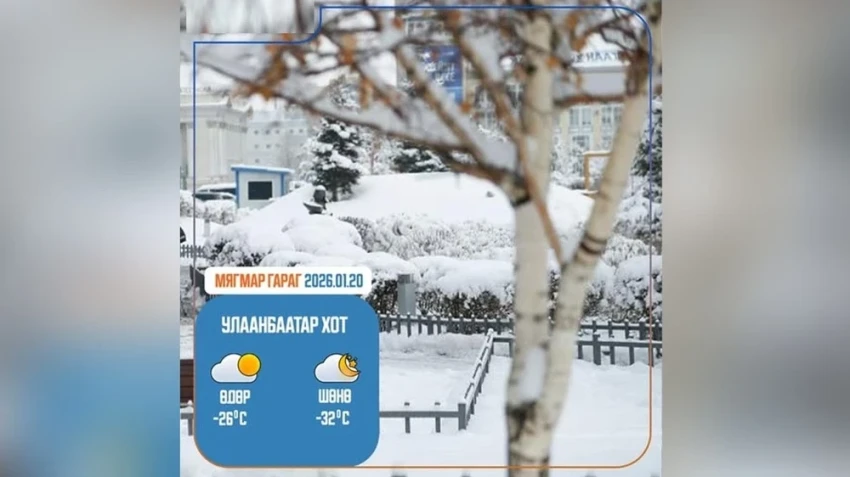
In Ulaanbaatar, the weather is also variable, with no snow expected. The wind is unpleasant, coming from the northwest at a speed of 2-7 meters per second. Daytime temperatures are between -25 and -27 degrees Celsius, while nighttime temperatures range from -32 to -35 degrees Celsius.
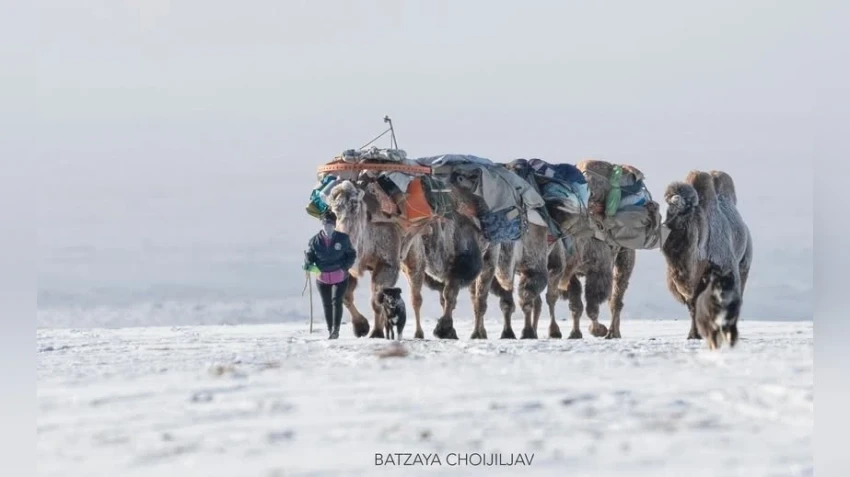
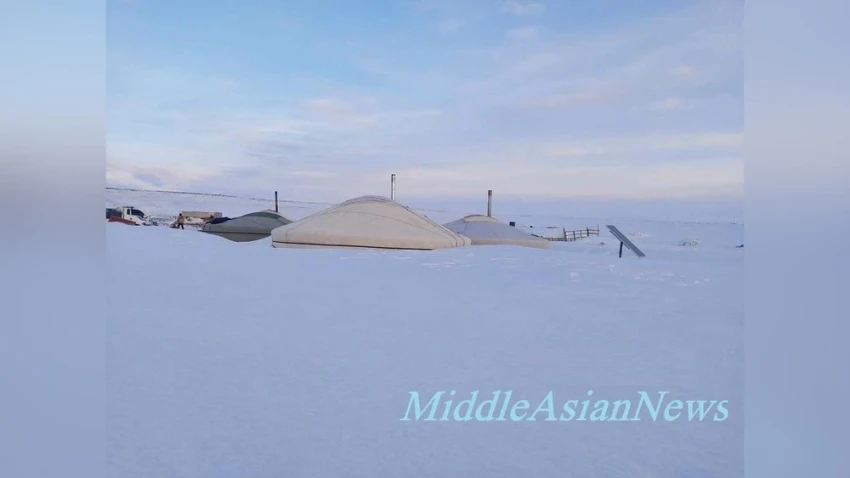
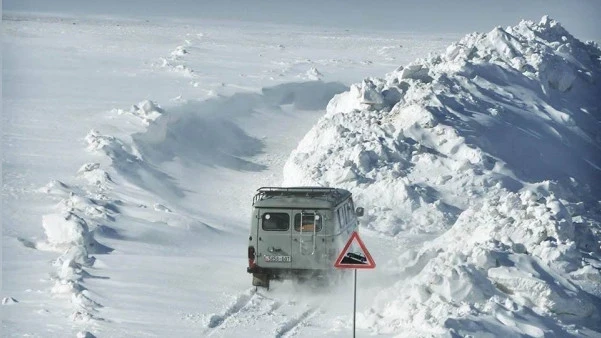
The term "dzud" in Mongolia refers to severe winter conditions when a significant number of livestock die due to freezing or snow cover. In the Kyrgyz language, this phenomenon is called "zhut," and in Kazakh, it is referred to as "zud."