
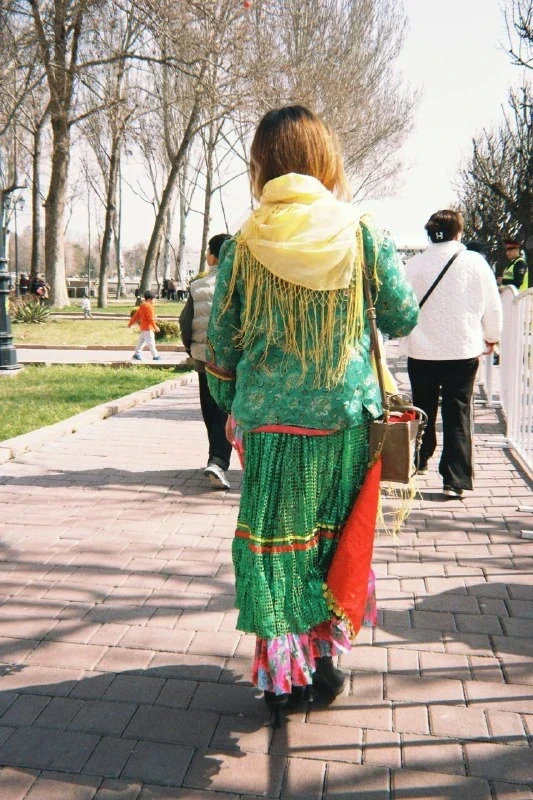
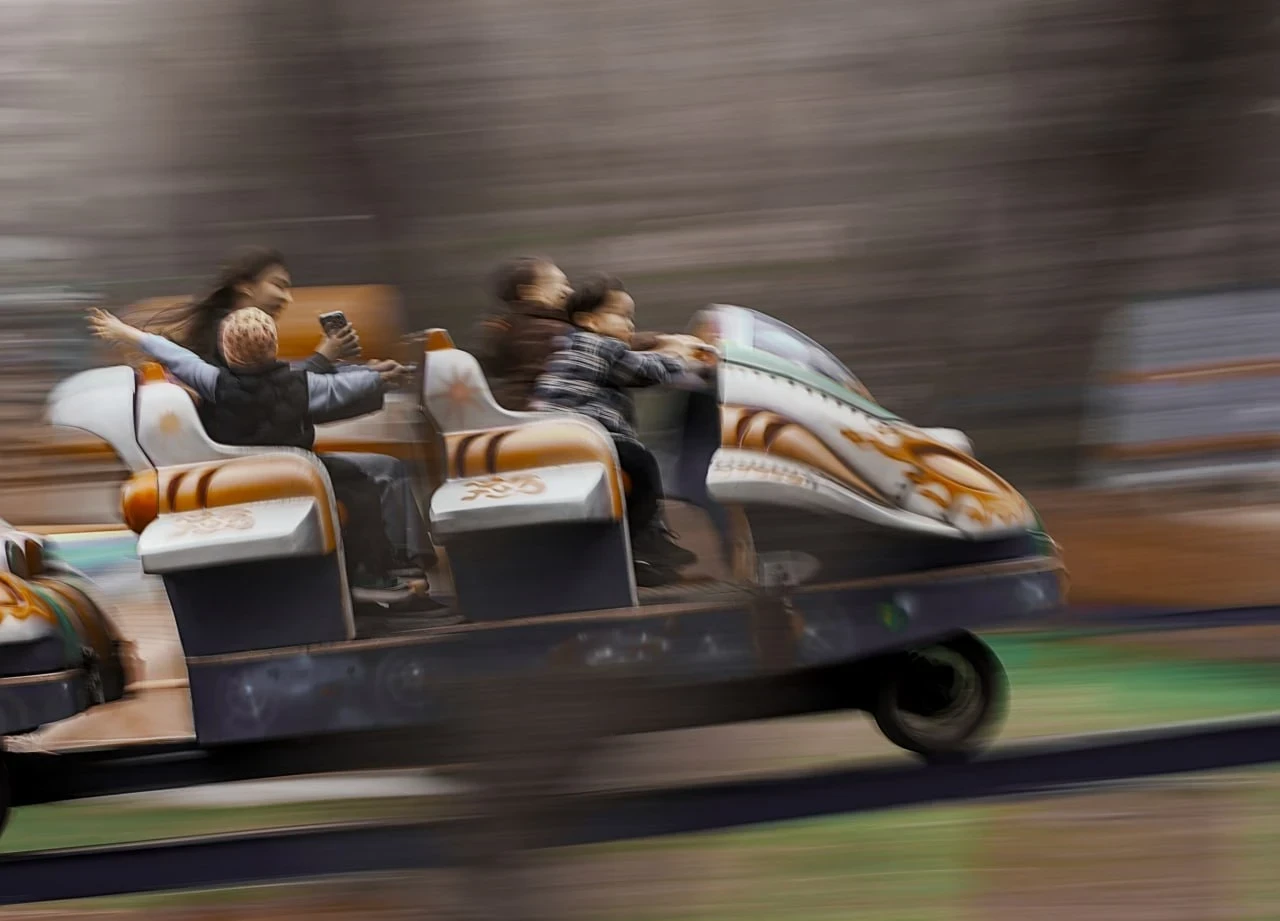
Elidar Nurmanbetov, a photographer and urbanist, talks about the emergence of this idea and its significance for the participants.
— How did the concept of photo drift come about? Why this format?
— The concept of photo drift emerged quite organically. We needed an interesting format for photographers. Joint outings not only create opportunities for shooting but also bring people closer together, engaging them in a common cause.
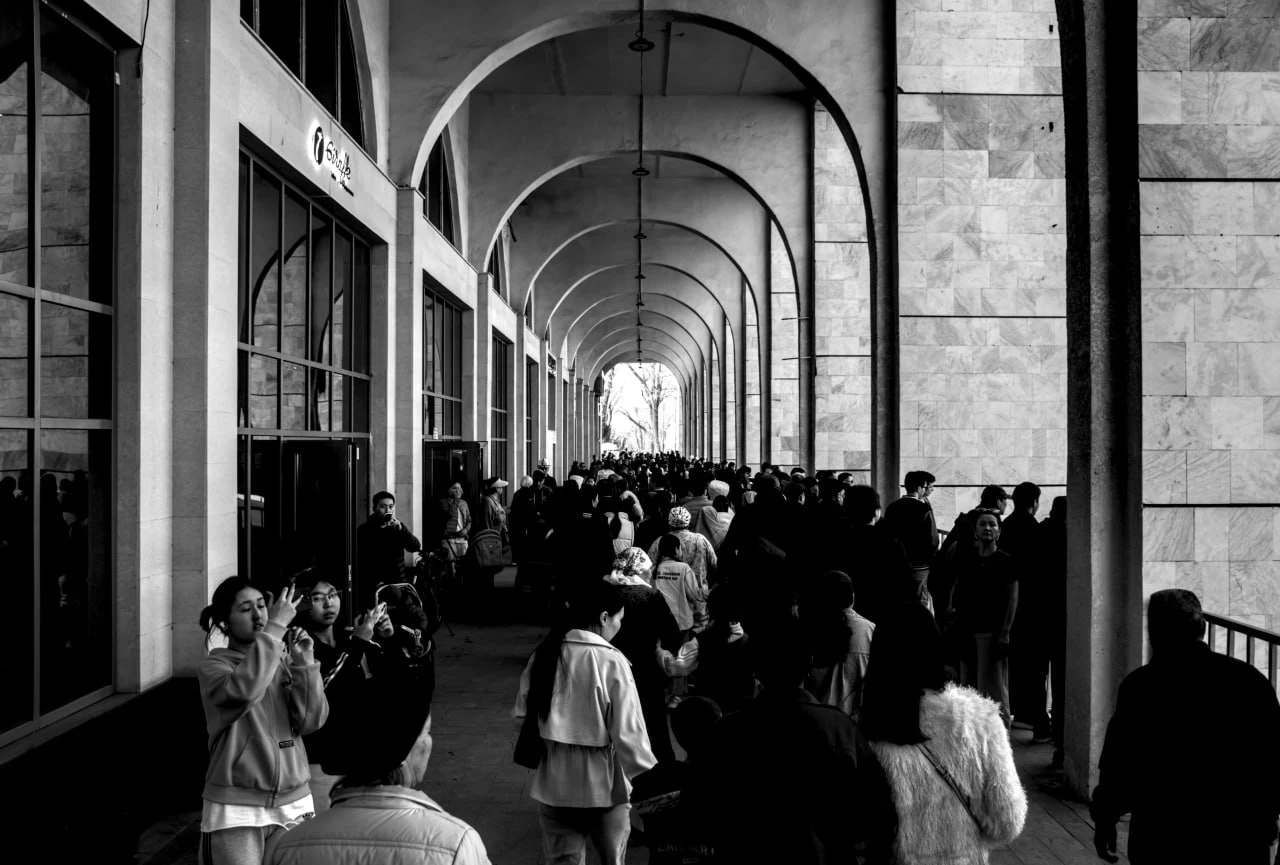
Before starting, we offer tasks—objects to photograph. This is more of a tool to help participants engage more easily in the process, and the tasks turn the photo drift into an exciting quest. After that, we gather at a pre-selected location and discuss how the process went.
— Bishkek is often perceived as a transit or 'unread' city. Can photography help in its 'reading'?
— In reality, Bishkek remains 'unread' in many ways. There is so much interesting stuff here, so many untold stories! And who, if not us, should capture them? Sometimes people may shy away from cameras—this is related to awkwardness and misunderstanding. But over time, as street photography becomes more widespread, the attitude towards it will become more tolerant.
— What does photo drift allow you to see in the city that escapes attention in everyday hustle?
— It reveals more detailed stories. Usually, people walk by without noticing what is happening around them, while real life is happening all around.
— How would you describe Bishkek through the eyes of the participants—is it a chaotic, vibrant, developing city?
— It is a combination of all this and even more. Modern Bishkek is a very young city. It is just beginning to develop, finding its form and voice. And now is the time to capture the moments of this maturation.
— Is it more about art, leisure, or conscious interaction with the urban environment?
— It is more of a combination of all these aspects. Participants engage in art by photographing the city, but in a collaborative format, the process becomes more engaging. Moreover, it is also a form of leisure.
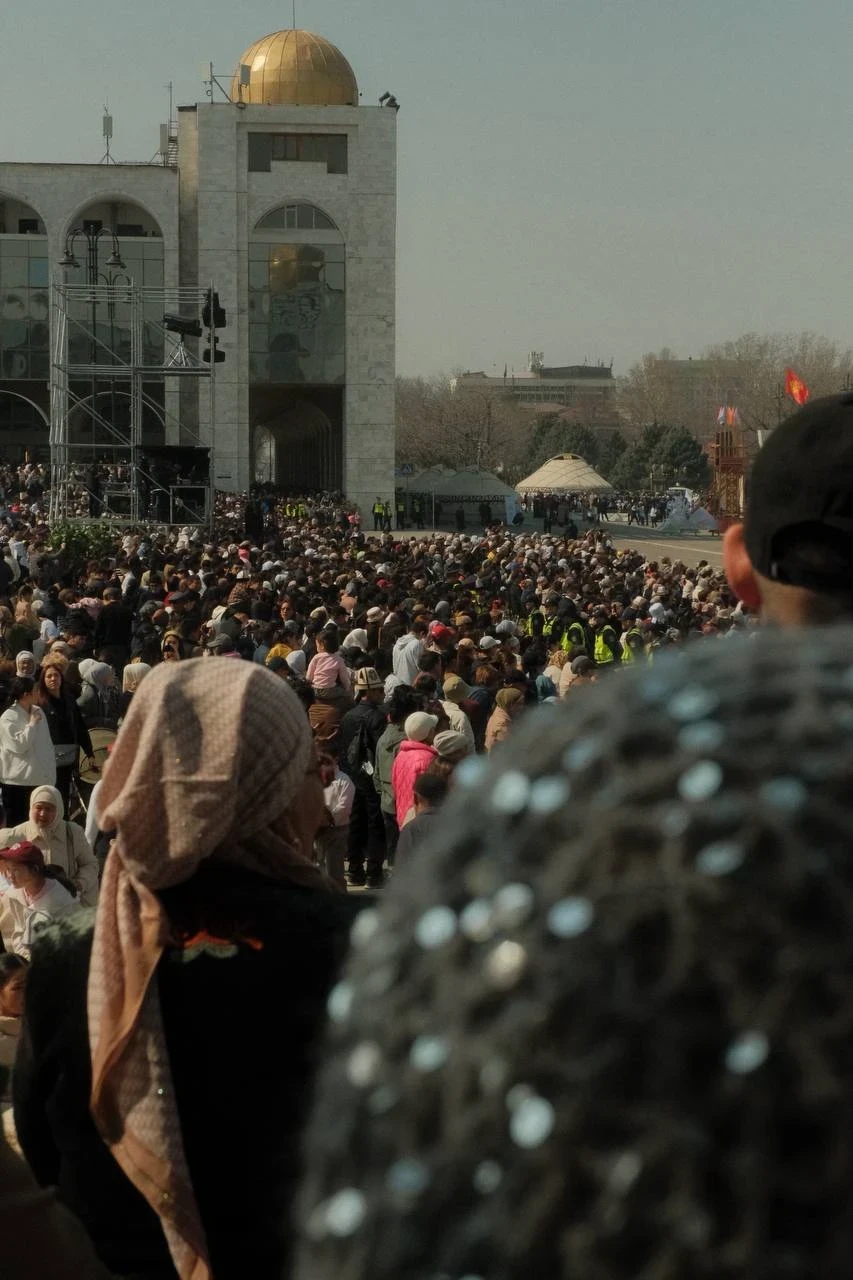
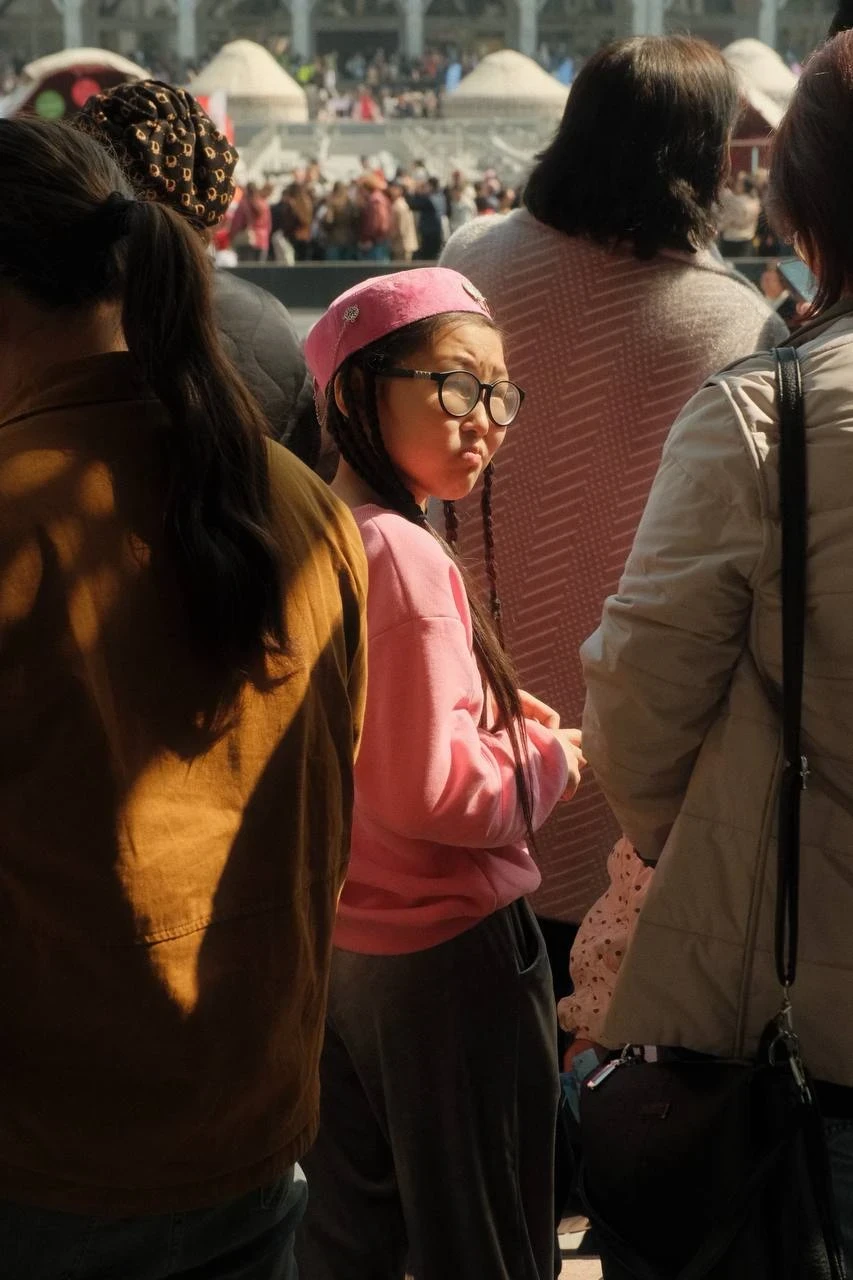
— What urban problems become more noticeable through the participants' lens?
— Each photo is a whole story, and usually, it is multilayered. It can reveal issues that are not always visible to the naked eye. Street photography works with the social environment, so the issues addressed relate to society.
— Who participates in photo drifts—is it an already formed community or do new faces come each time?
— We are at the stage of forming a core community, but we want to remain open to new participants.
— Can one participate without experience in photography?
— Photography is one of the most accessible forms of art, so anyone can participate. What matters is not the skill but the perspective.
— Can photo drift be considered a new format for Bishkek?
— It is difficult to give a definitive answer since we have just started. Perhaps there have been other similar initiatives, but we are definitely among the first.
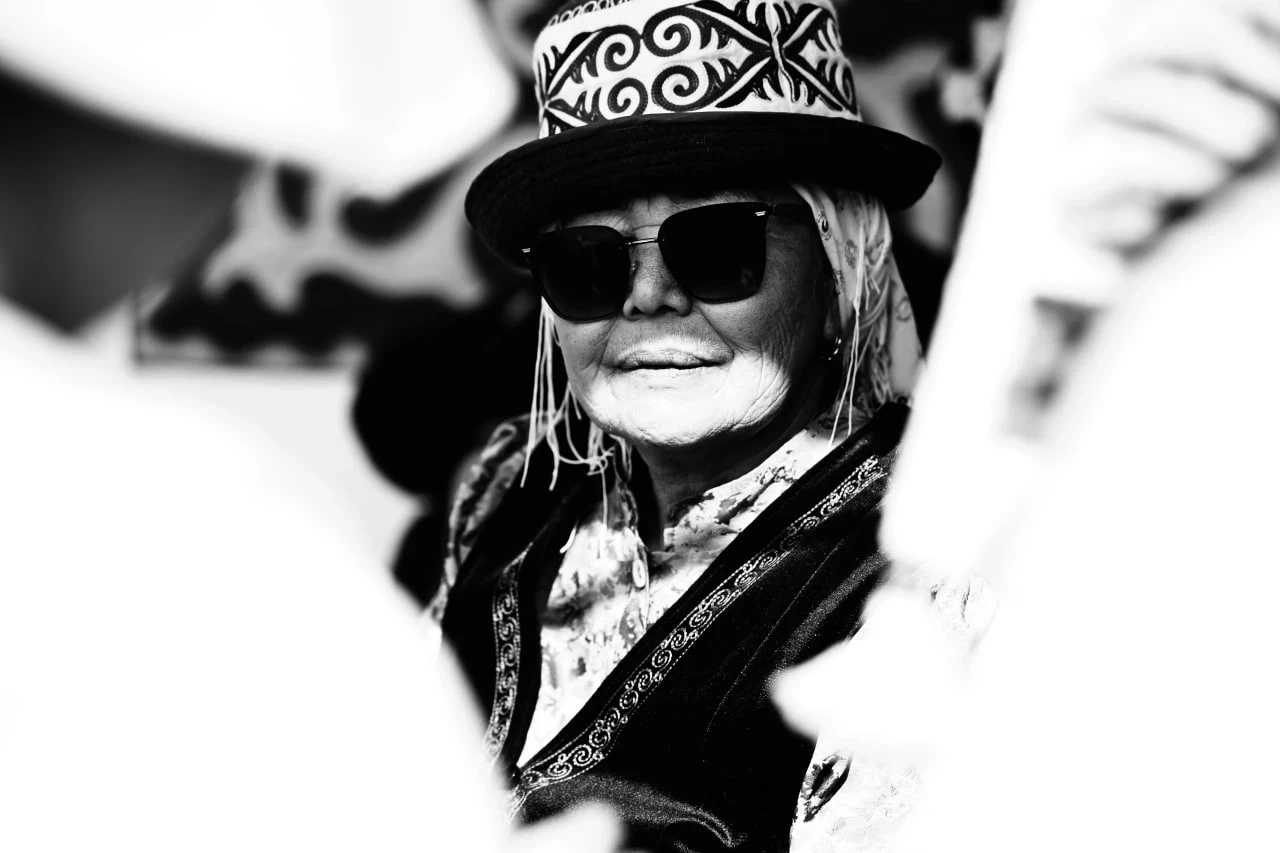
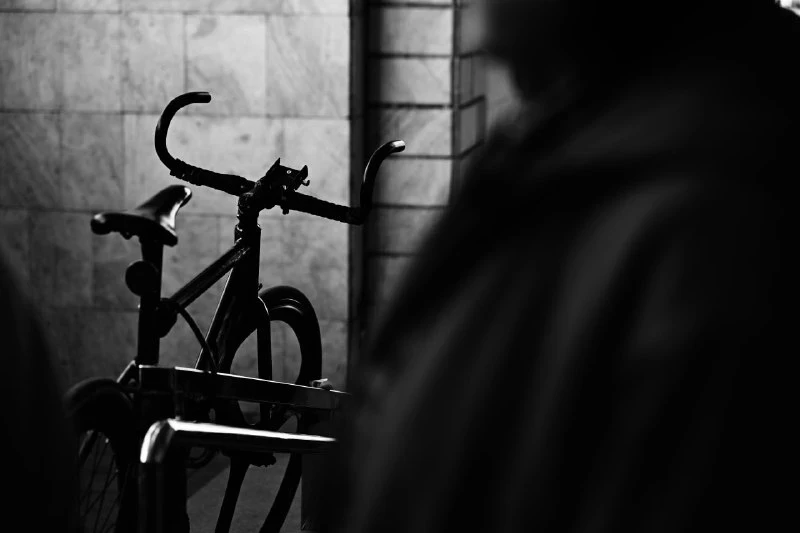
— At what moment did you realize that this is not just a walk, but something more?
— When a community began to form around this process.
— How would you formulate the main idea of the photo drift?
— It is a way to unite the community of street photographers through the joint exploration of urban space.


