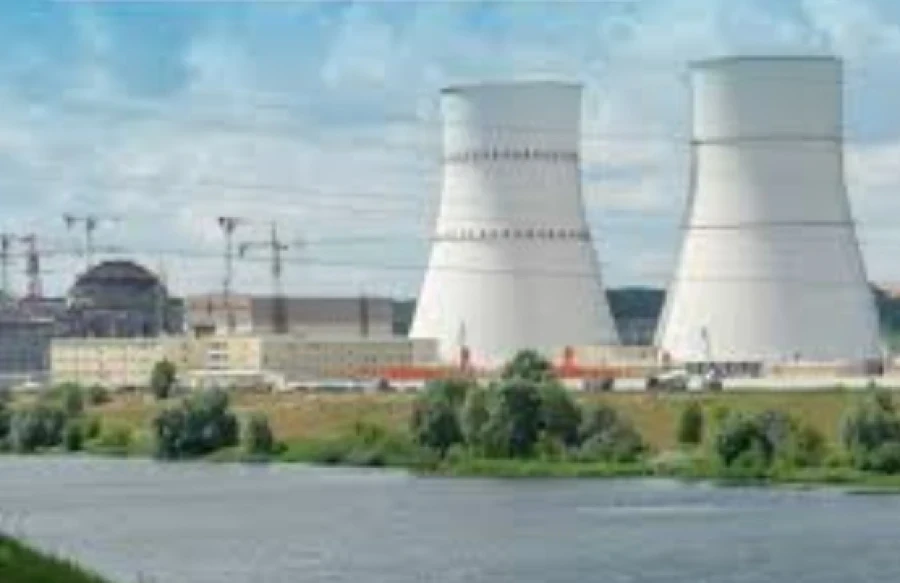
Experts believe that nuclear energy can help solve problems related to water and energy shortages, as well as reduce the likelihood of conflicts in this region.
Central Asia is on the brink of change: the outdated system of exchanging water and energy resources is no longer functioning, creating risks for peace in the region. This conclusion is contained in a study by the International Discussion Club "Valdai".
Alykbek Dzekshenkulov and Kubatbek Rakhimov, experts working on this topic, propose to reconsider the existing approach and establish a water-atomic-energy consortium with the involvement of Russia. In their opinion, the development of nuclear energy could become the foundation of a new system that links water, energy, food, and security.
The researchers note that the old model, which was relevant during the Soviet era, is now ineffective. During the USSR, upstream countries accumulated water for electricity generation and provided it for irrigation to downstream regions in exchange for fuel during the summer. Currently, this mechanism does not work.
The key factors contributing to this are:
- accelerated population growth and increased resource consumption;
- melting glaciers in the Tien Shan and Pamir, leading to a decrease in water reserves;
- wear and tear of existing infrastructure, including hydroelectric power stations and irrigation systems;
- environmental issues such as soil pollution and declining water levels in the Aral Sea.
As a result, water and energy are becoming increasingly contentious issues among the states in the region.
The authors of the study propose to implement the concept of a "nexus," which implies an integrated system of "water – energy – food – security." Nuclear energy should become a key component of this system.
It is expected that the implementation of nuclear power plants will allow:
- to ensure stable electricity production throughout the year;
- to reduce the load on reservoirs and decrease water discharges in the winter period;
- to reduce dependence on coal energy;
- to manage water resources for agriculture more effectively.
Experts are confident that this approach can open new opportunities for the industrialization of the region, increase employment levels, reduce migration, and create conditions for long-term stability in Central Asia.