
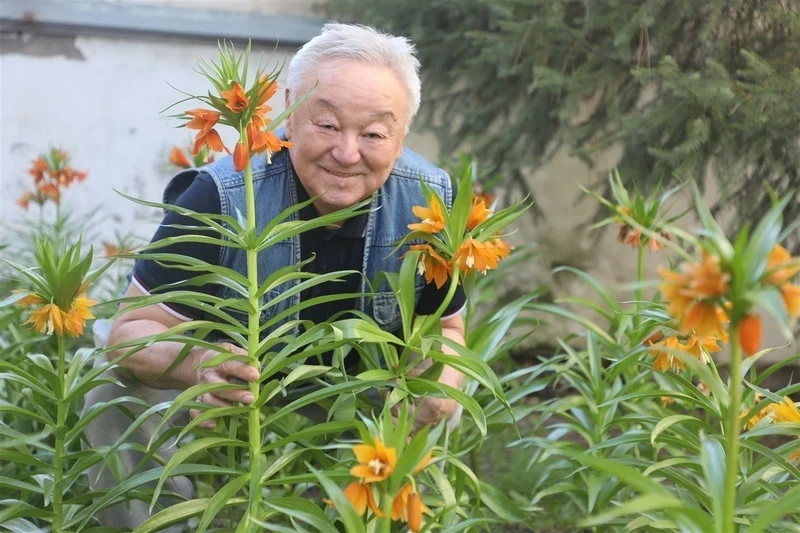
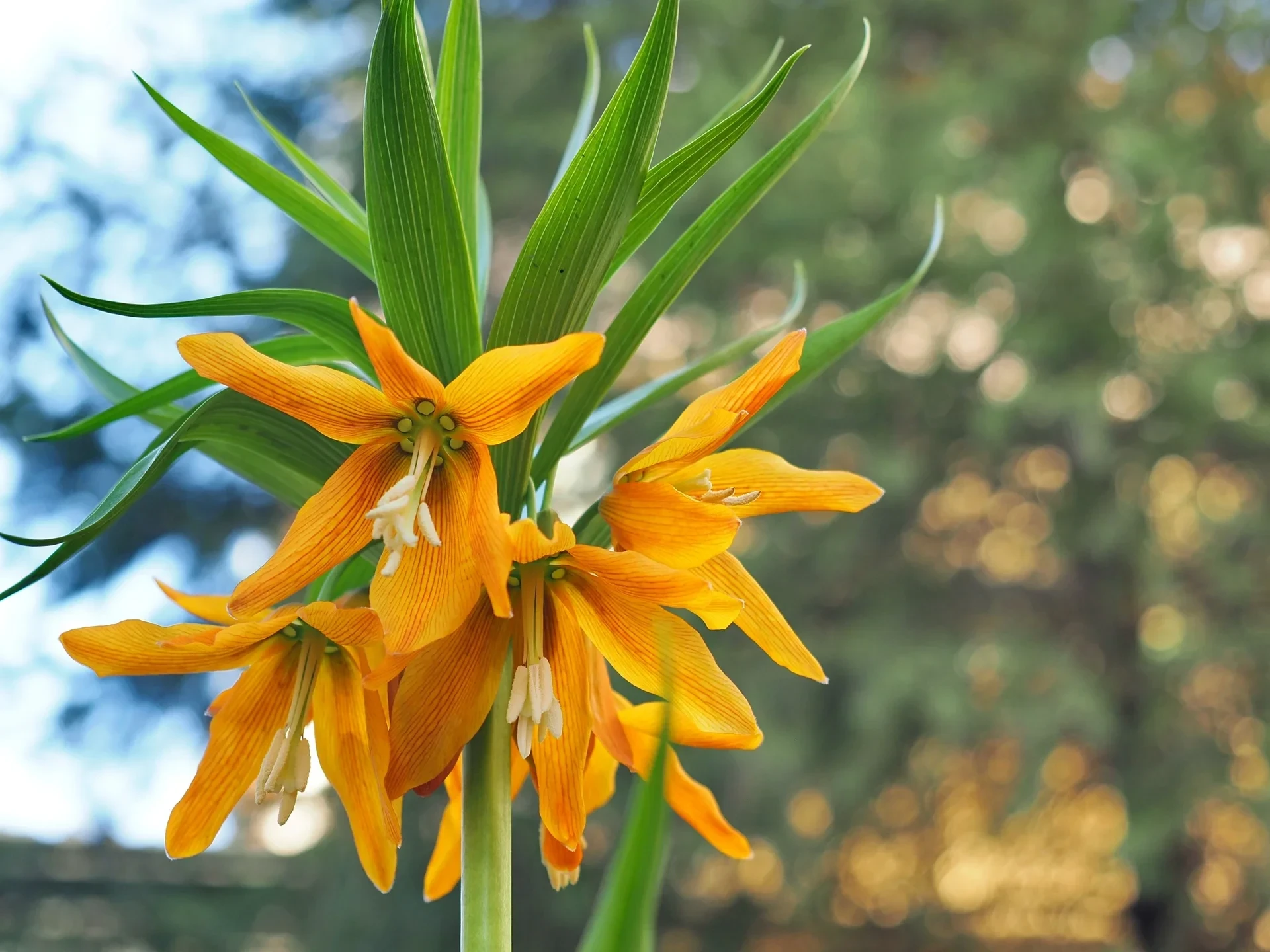

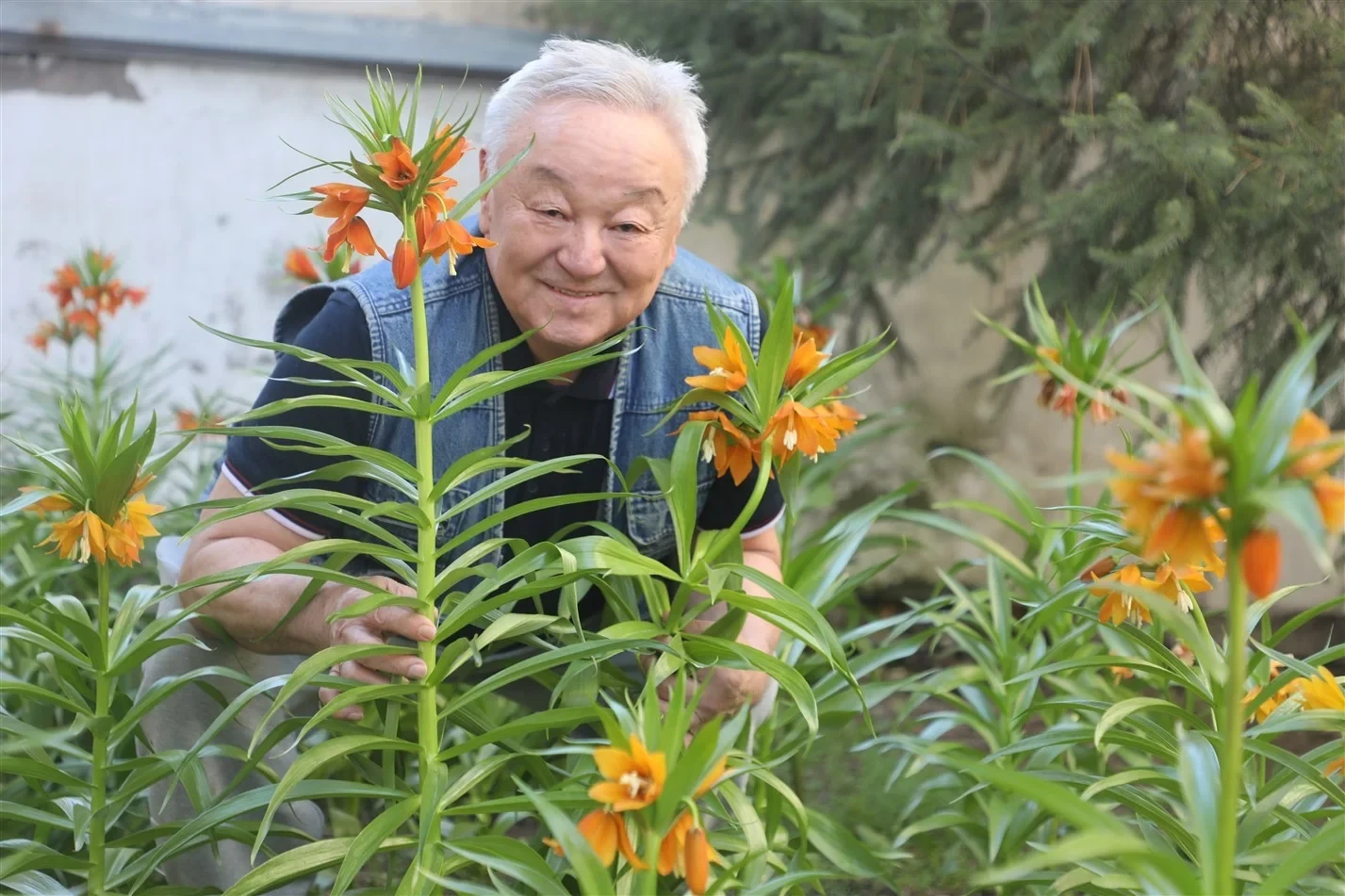

Sometimes care for nature manifests itself in unexpected places — not within large-scale programs, but in quiet courtyards. In Bishkek, a rare Batken flower, Aigul, also known as Edward's fritillary (Fritillaria eduardii), has bloomed, symbolizing the spring and fragile beauty of southern Kyrgyzstan. This was reported by the organization "EcoStan".
Sheishenbek Baizakov, a retired major general of internal service and a veteran of law enforcement, has managed to increase his collection of flowers from seven to nearly seventy plants over the years. This has been made possible by his persistent and meticulous work with this rare species, without scientific laboratories or grant support.
Aigul is a species that occurs only in limited areas and is at the northern edge of its range, separated from the main distribution zone. In Central Asia, it can be found in fragmented populations in Tajikistan, Uzbekistan, northern Afghanistan, Kashmir, and Kyrgyzstan. Within the country, its range is narrowed down to two locations — on the slopes of Aigul-Tash and in the Laili-Mazar gorge.
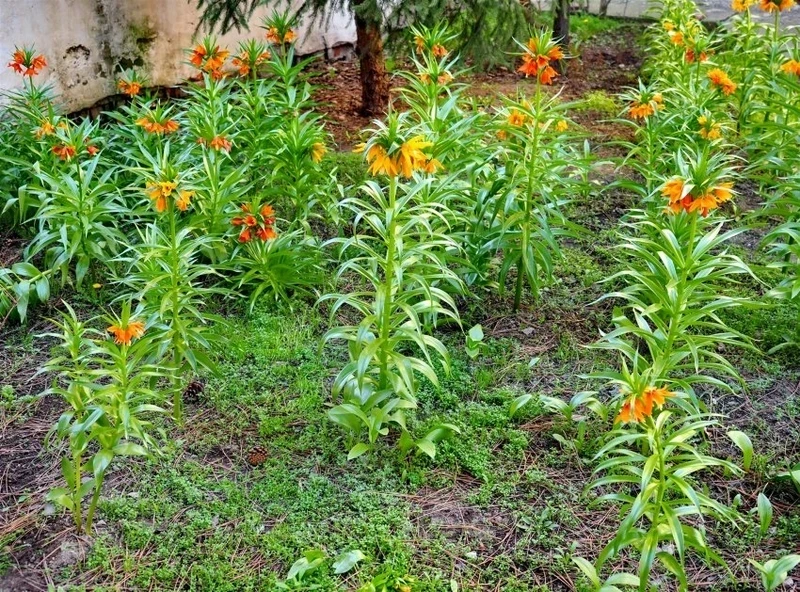
In this regard, successful cultivation practices become particularly important. Edward's fritillary has been grown in botanical gardens around the world for over one and a half centuries; however, in Kyrgyzstan, it is still rarely found in scientific collections and is mainly preserved thanks to the efforts of enthusiasts. A private nursery in Bishkek is one such example. This is not just a hobby, but an alternative way to conserve a rare species — a kind of "bank of life," created outside of an institutional context.
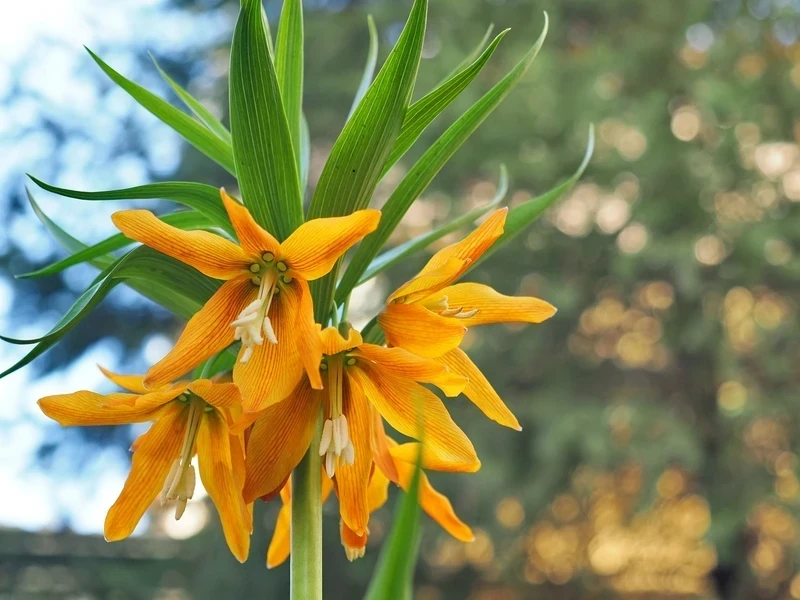
Meanwhile, in the flower's homeland, in the Batken region, strict conservation measures are in place. The botanical reserve "Aigul-Tash," where the main population of the plant is concentrated, is closed to visitors: a ban introduced in 2023 has been extended until 2030. This decision is related to a sharp decline in numbers due to trampling and flower picking. Preliminary data indicates that these measures are beginning to yield positive results — the population is gradually recovering.


