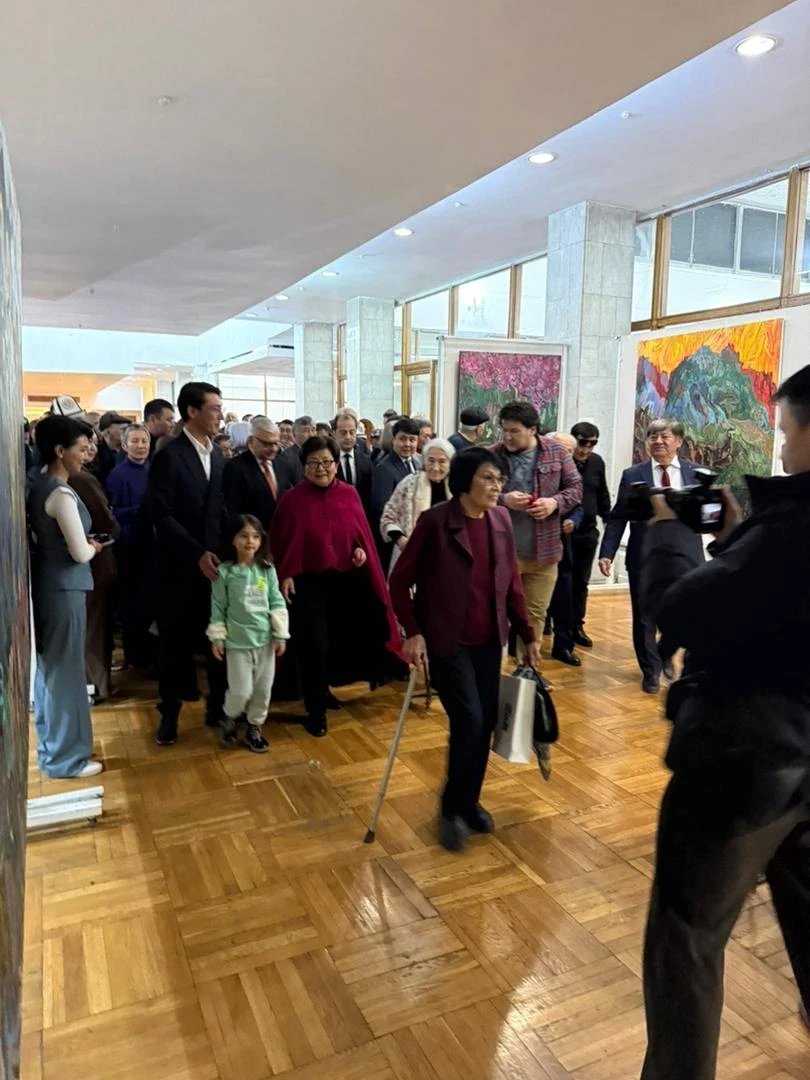
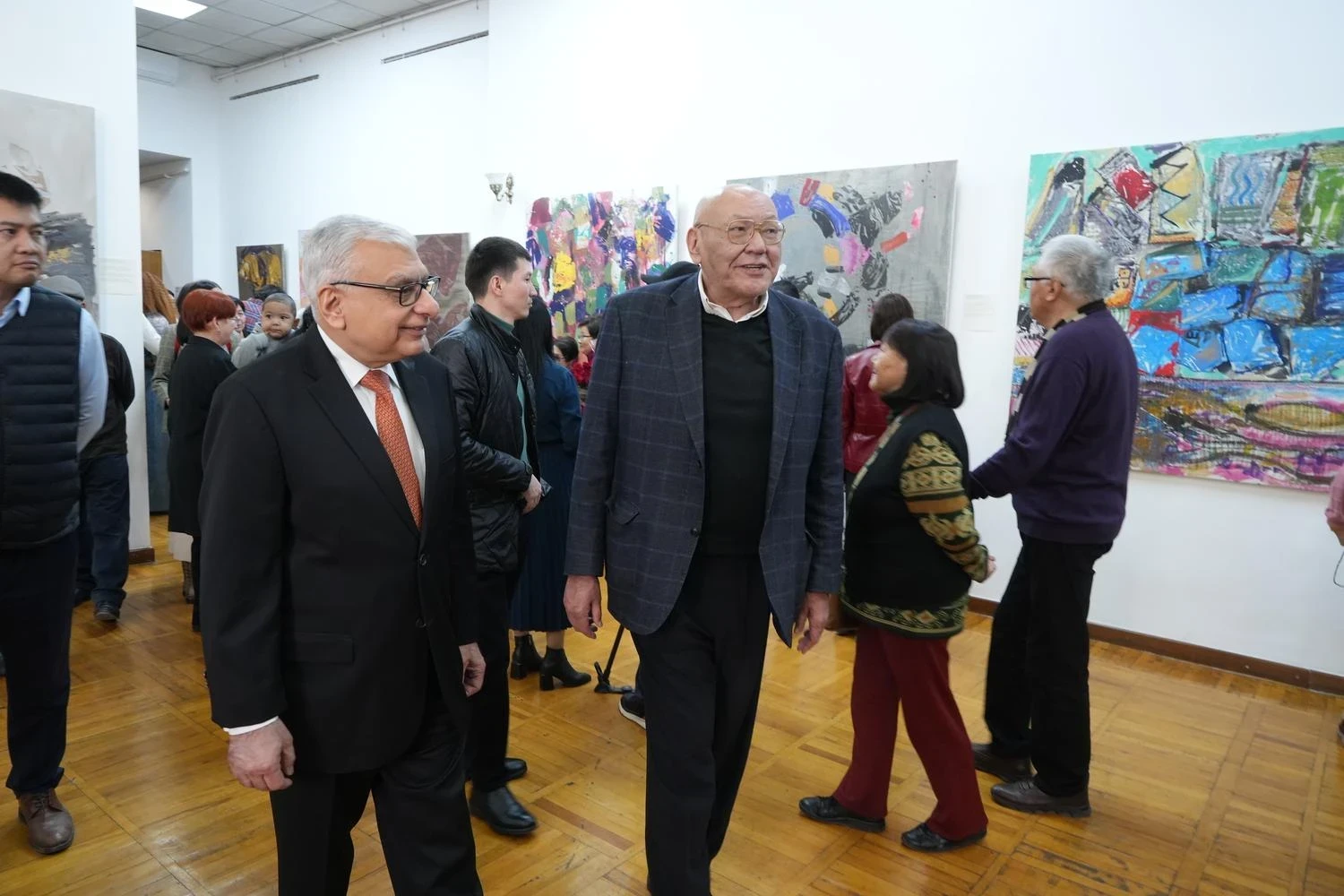
The atmosphere in the museum's hall was filled with anticipation. Visitors climbed the stairs, exchanging opinions and curiously listening to the mood that the exhibition would set. This exhibition, dedicated to reflections on what remains after emotional experiences and losses, sparked lively discussions.
On the second floor of the exhibition hall, diplomats, artists, curators, public figures, and art enthusiasts gathered. The air was filled with the scents of women's perfume and fresh printing ink — a catalog featuring the artist's works was released specifically for the exhibition, which guests eagerly examined before turning their attention to the paintings awaiting them on the walls.
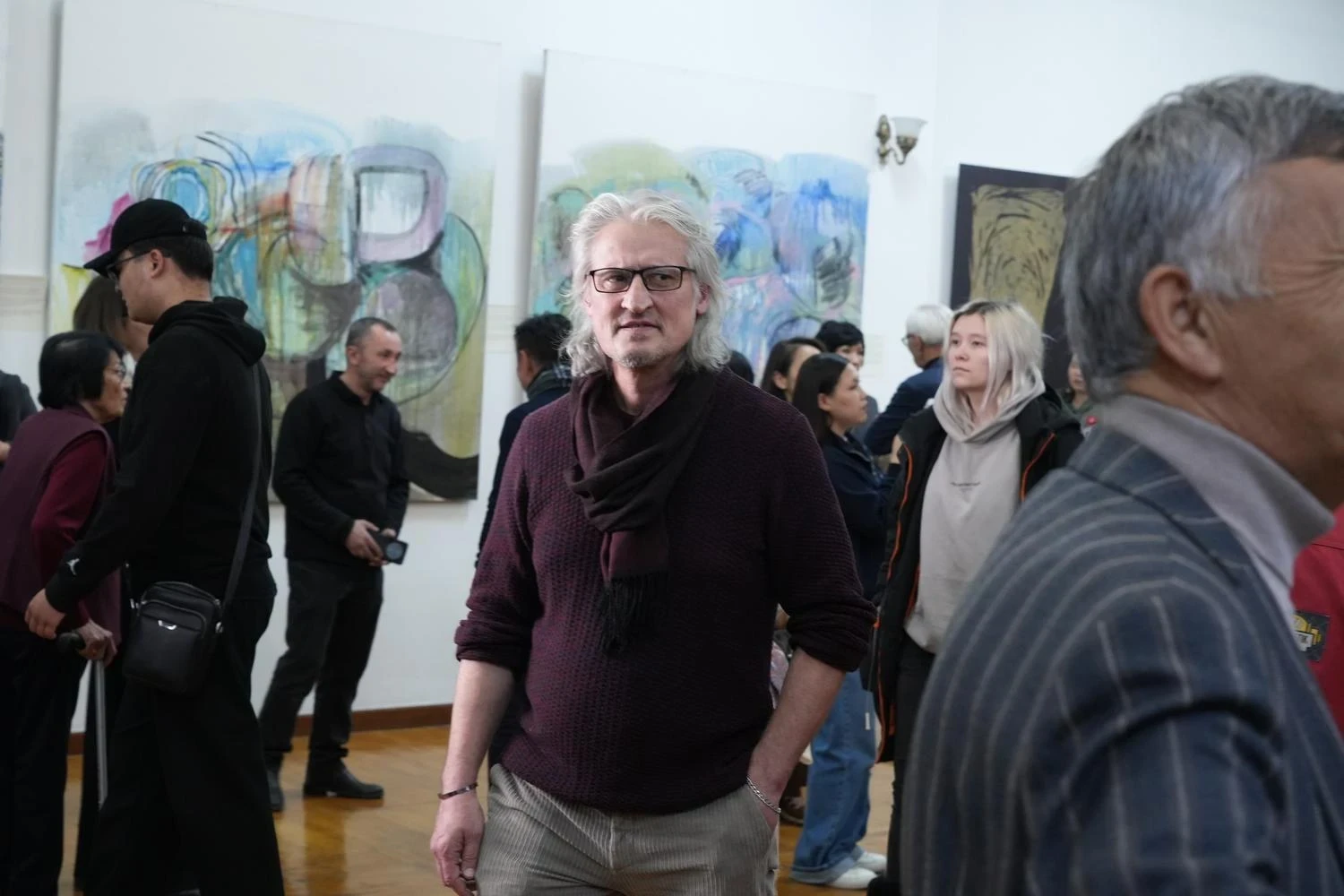
While music from a trendy DJ filled the hall, creating an atmosphere of lightness and style, the attendees smiled and conversed, and gradually the anticipation transformed into that special state that arises when art brings people together.
The opening ceremony began with speeches from honored guests. Roza Otunbayeva, former president of the Kyrgyz Republic, touched on important aspects of memory — both personal and national — and noted the role that art plays in its preservation. She emphasized that creativity allows a person to rethink their experiences and make them accessible to others.
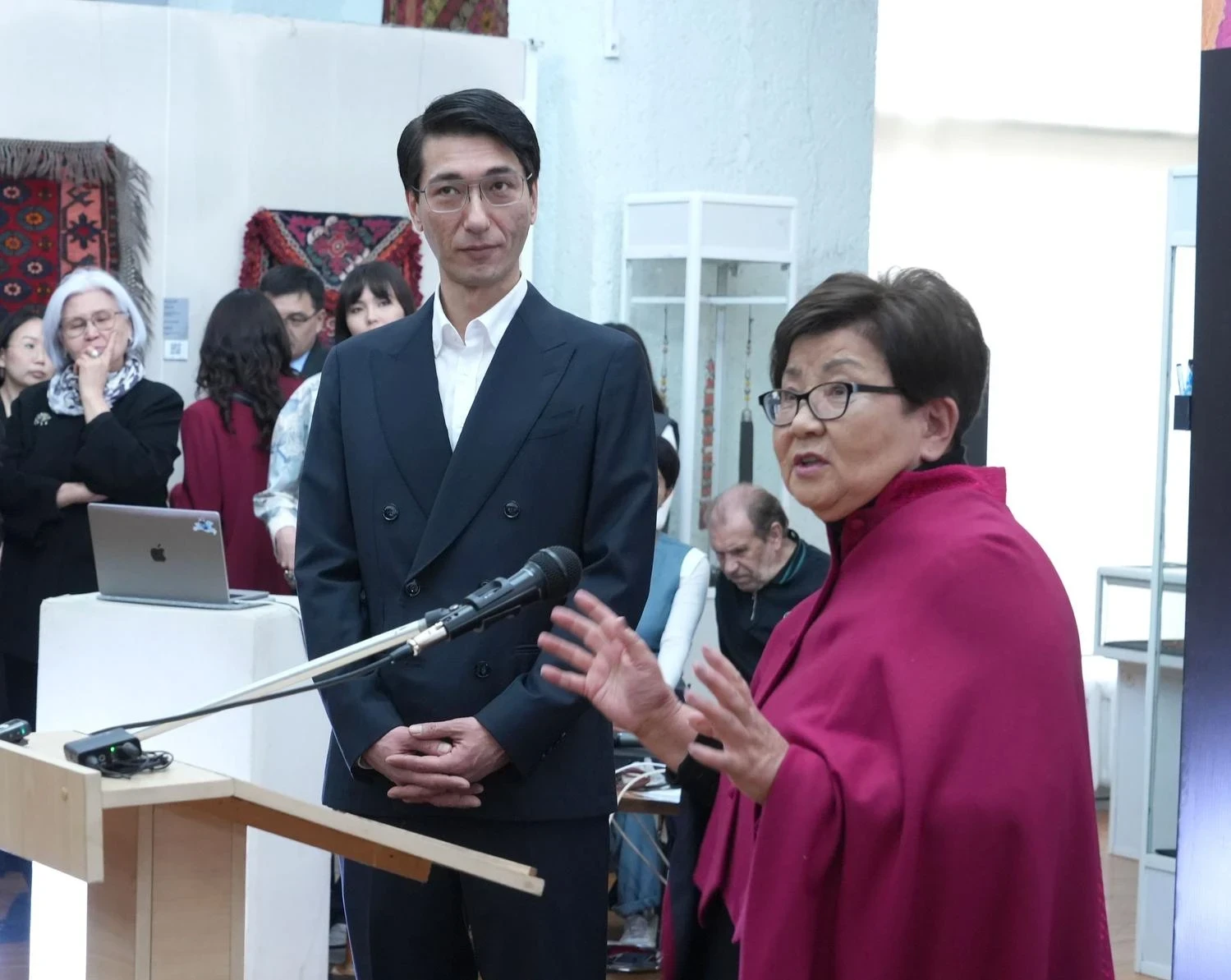
Deputy Prime Minister Edil Baikakov also highlighted the significance of the exhibition for the cultural life of the country, noting that such events remind us of the values that unite people. Philanthropist Askar Salymbekov also delivered a speech, emphasizing the importance of supporting artists and their contributions to the cultural development of the city.
Particularly touching were the memories shared by Roza Aitmatova, who recounted personal moments from Eldar's life, noting his early love for art and his desire to convey feelings through painting.
The guests also remembered the great writer Chingiz Aitmatov, discussing his influence on the culture of the country and how his memory continues to live on in art.
Eldar Aitmatov's speech became the highlight of the evening. He spoke about how important this exhibition is for him. Despite previous exhibitions, this one marked his first major solo exhibition on his native soil. Eldar dedicated it to his parents and expressed regret that they could not witness this moment.
His voice carried gratitude and a hint of sadness:
— I am very sorry that my parents did not witness this exhibition. My mother would have been the happiest of all.
He also recalled his father's words about conscience and added that it is memory that ensures the presence of conscience in a person.
These words left a deep impression on those present, creating an atmosphere of attentiveness and tranquility in the hall. It seems that the main idea of the exhibition is encapsulated here — memory as an internal guide.
The artist hopes that his works will encourage viewers to reflect on their own memories and the traces left by encounters, events, and people.
Shaiym Obozova, one of the curators of the exhibition, spoke about how the preparation for the project became a true creative process for the team.
— It was inspiring and even exhilarating, — she confessed. — The works require time and attention, and it is joyful to see such significant projects emerging in the city. I hope residents will not miss the opportunity to see the exhibition, which will run until April 19.
The interactive zone of the exhibition attracted special attention.
Here, visitors could observe the process of creating paintings — from the first lines to the final touches on a large screen. Many paused, immersing themselves in the creative process, while a photo zone closely related to the exhibition's concept was nearby.
Everyone could leave their impressions on the wall, turning the space into a collective diary. Words of gratitude and reflections became part of the overall mood and concept of "Traces of Memory," creating a memory not only for the artist but also for the viewer.
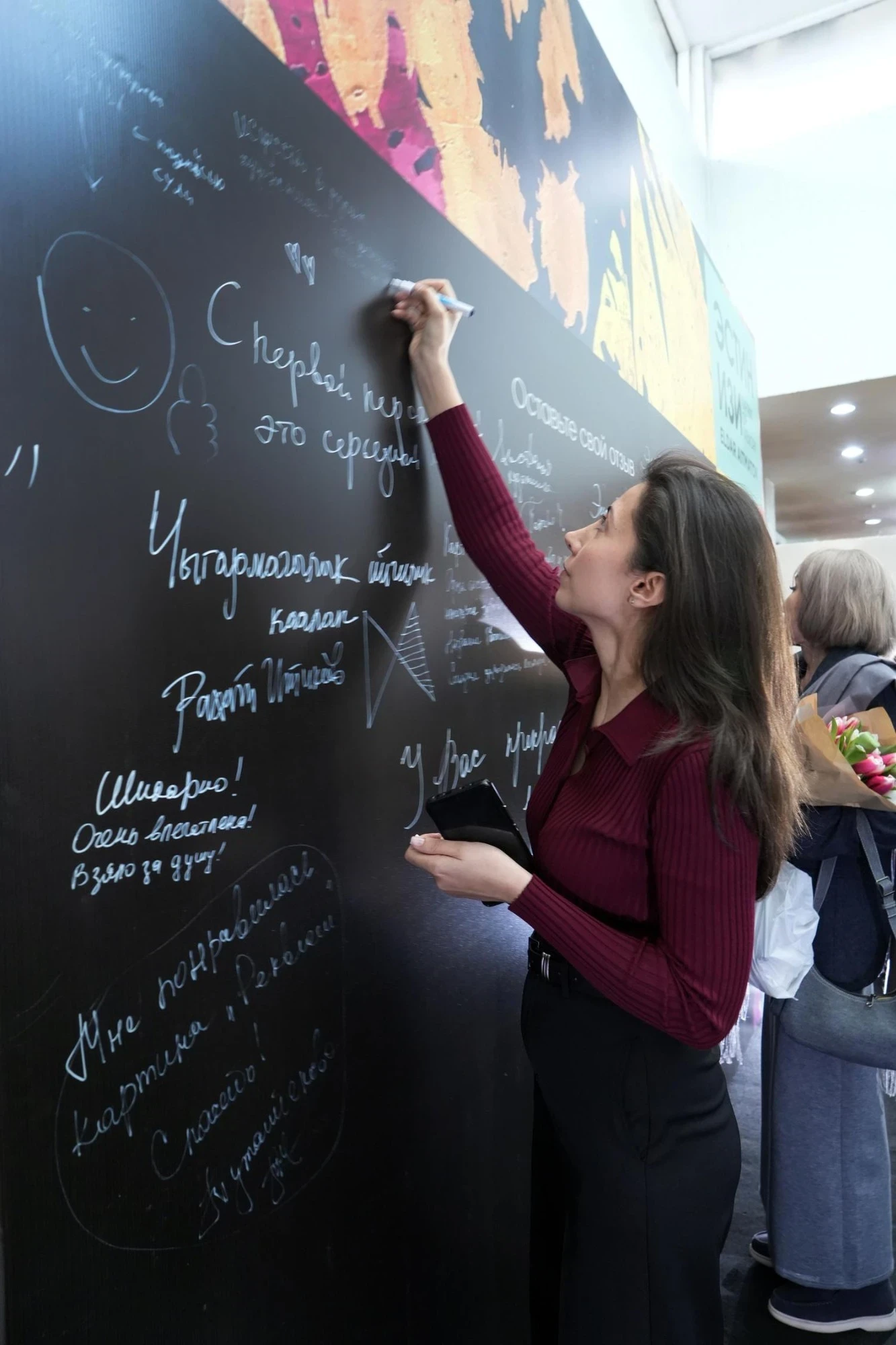
Guests did not merely walk past the paintings; many lingered, returning to them, discussing what they had seen. The exhibition filled the entire large hall on the second floor, and even on the opening day, it became clear that it would become one of the cultural focal points of spring.
Visitors can not only see Eldar Aitmatov's works but also purchase the exhibition catalog and special merchandise inspired by his works, such as magnets, shoppers, t-shirts, and sweatshirts.
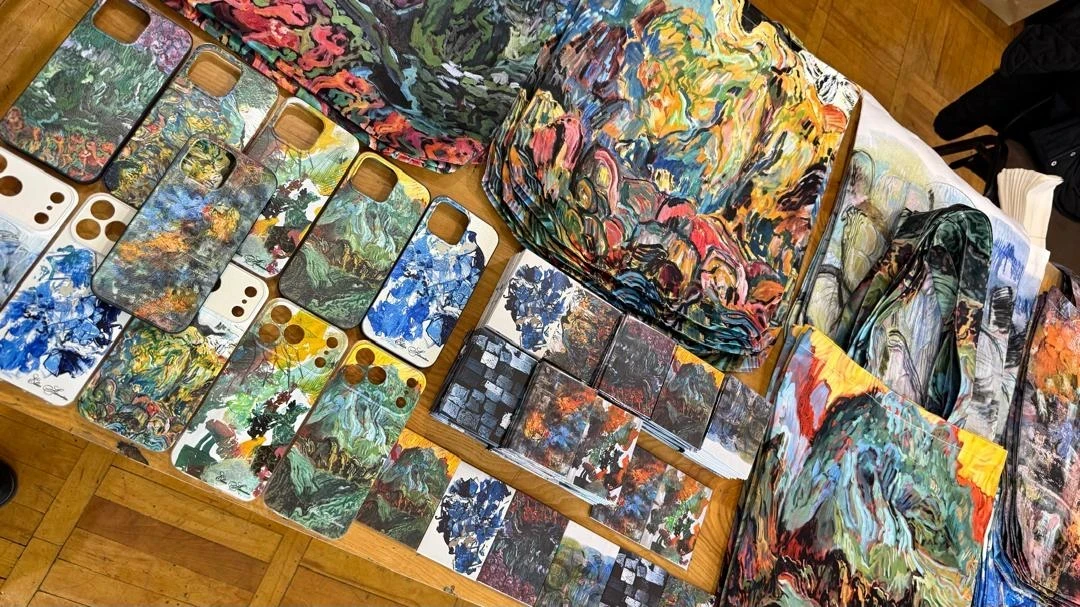
Thus, the exhibition extends beyond the museum walls, leaving traces of impressions in everyday life, on the streets of the city, and in personal spaces.
Everyone who left the hall and returned to the bustling city carried with them not only impressions but also their little story of an encounter with art — a quiet but significant trace of memory.