
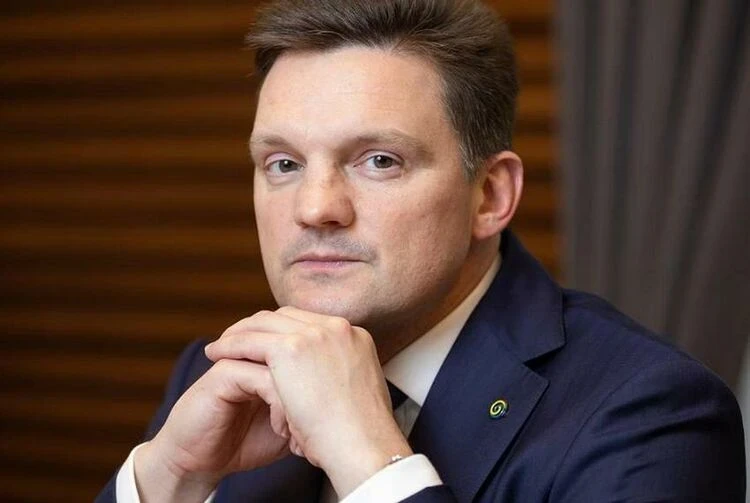
According to forecasts, by 2040 the population of Central Asia may grow to 96 million people, which will create a significant burden on the region's infrastructure. In this regard, the Chairman of the Board of the Eurasian Development Bank (EDB), Nikolai Podguzov, emphasized the need for large-scale changes in energy efficiency, water resource management, and modern mobility in an interview with TASS.
Podguzov characterized Central Asia as one of the most vulnerable regions on the planet to climate change.
According to him, by 2028, the water deficit in the region could increase to 5-12 cubic kilometers per year. Outdated communications lead to significant resource losses. To address these issues, the bank is investing in projects to modernize irrigation systems, implement water-saving technologies, and digital accounting of water resources.
The geographical features of the region also present certain challenges. Located more than three thousand kilometers from ocean ports, Central Asia faces increased trade costs, which can reach 20-40 percent, resulting in a loss of up to 1.5 percent of economic growth annually. Podguzov referred to this situation as a "tax on distance."
To improve transport connectivity, the EDB proposes the concept of the Eurasian Transport Framework.
This network of corridors will reduce logistics costs and accelerate trade. Although current routes are predominantly oriented from east to west, the bank emphasizes the importance of north-south directions and the Trans-Afghan corridor, which will provide access for Central Asian markets to South Asia and the Persian Gulf.
According to Nikolai Podguzov, the economies of the five countries in the region could reach 600 billion dollars by 2026. According to UNICEF, by 2025, the population of Central Asia will exceed 84 million people. Addressing issues related to demographics, transportation, and water resources remains key to the further development of the region.


