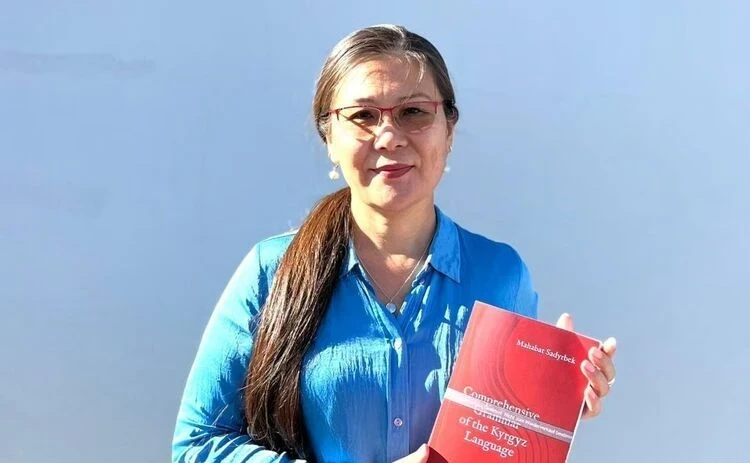
In an interview with 24.kg, Mahabat shared her impressions of life in Germany and the importance of promoting the Kyrgyz language.
Photo from the interviewee's archive. Mahabat Sadyrbek
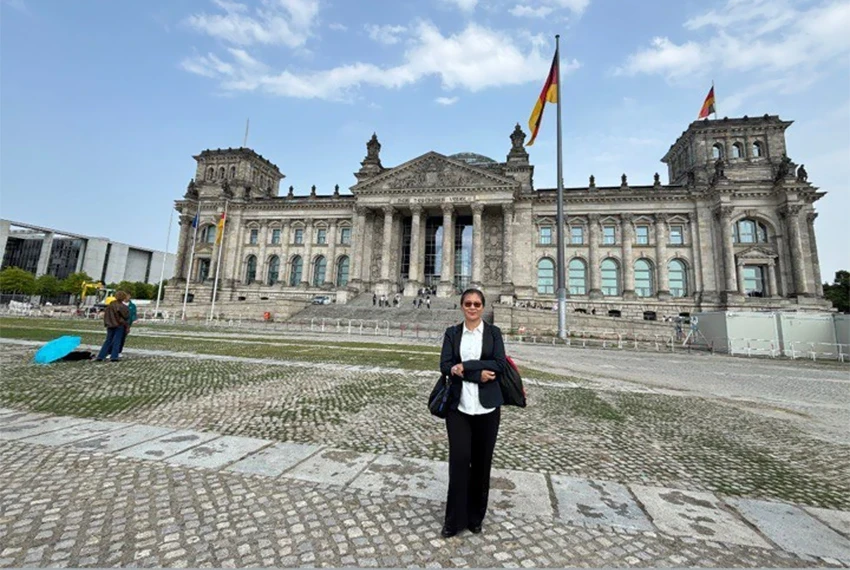
— I was born and raised in Kyrgyzstan, graduated from school No. 71 in Bishkek, and entered Bishkek Humanities University. In 1999, I moved to Germany on a DAAD scholarship. I currently live in the city of Halle, near Berlin, and occasionally visit Turkey for health reasons.
— How did you adapt to life in Germany? Do you feel part of the local community?
— I liked the country right away, and I continued my studies after a five-month scholarship. The adaptation was not easy: mastering the language was easier than getting used to the local system and rhythm of life. German culture demands high precision and discipline. I completed my bachelor's degree, master's degree, diplomacy school, and defended my dissertation, which helped me become part of the professional community. However, the migration experience always leaves its mark — a feeling of duality, where you are simultaneously "inside" and "in between".
— What surprises you in Germany?
— I am impressed by the resilience of institutions, respect for knowledge, and attention to detail. However, I find it difficult to accept excessive bureaucracy and formalism in human relationships. It is important to note that here, your efforts are genuinely noticed and supported. The scholarships and funding I received significantly influenced my attitude towards Germany and my professional path.
— How is the job market in Germany? What challenges do you face?
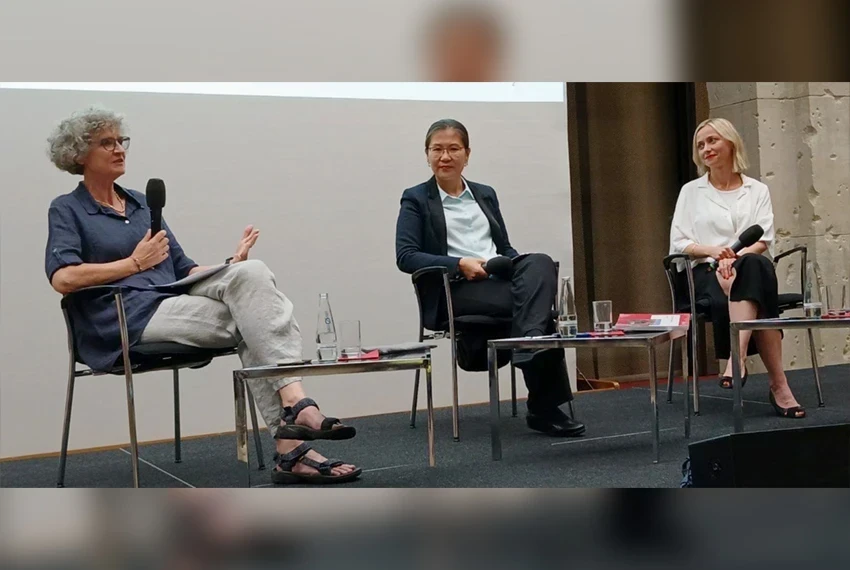
— The competition in the labor market in Germany is quite high, especially among specialists. Newcomers often need more time to validate their qualifications, but with a clear professional profile and recognized documents, the system works fairly and transparently. I have been working in the academic environment for over 25 years, which is inherently international and interdisciplinary, where the focus is on projects and the quality of expertise, while origin plays a secondary role.
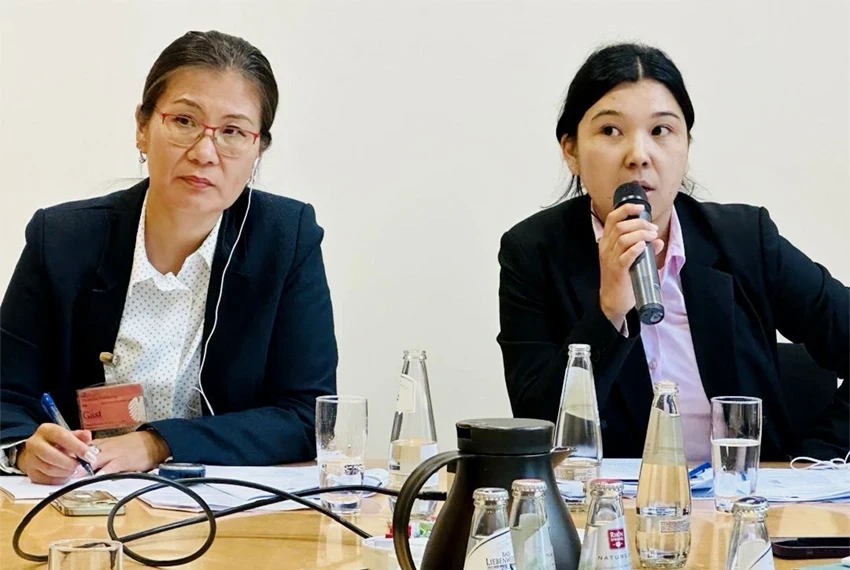
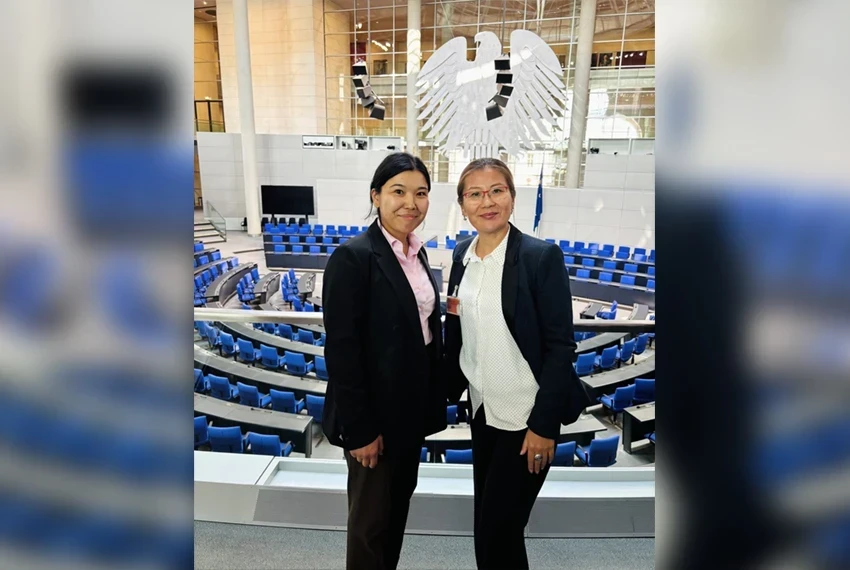
— Since 2021, you have been working as a sworn and publicly appointed translator of Kyrgyz, German, and Russian languages. How does this work differ from regular translation?
— In Germany, the profession of a judicial translator is strictly regulated and requires official appointment and constant qualification confirmation. With the increase in the number of Kyrgyz-speaking people, the need for professional judicial translation has arisen, which largely defined my path.
Judicial translation is not only about working with language but also entails high responsibility, knowledge of the legal system and ethics, requiring maximum concentration and discipline.
Mahabat Sadyrbek
Being the only translator of the Kyrgyz language in Germany, I often work without the opportunity to refer to established practices, and all responsibility for accuracy falls on me. This also brings pride: the Kyrgyz language receives official recognition in the legal system, and my compatriots can understand foreign laws in their native language. In the process, translation expands its boundaries, mastering a new legal context.
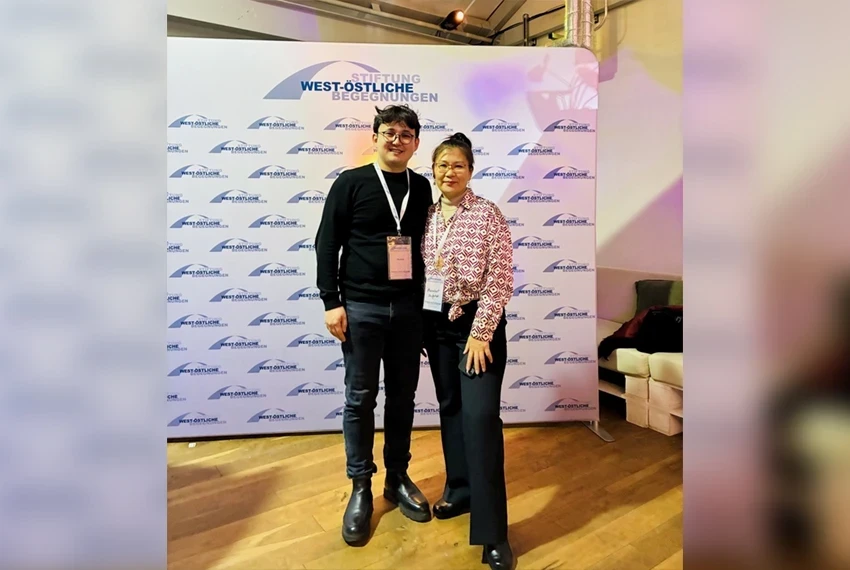
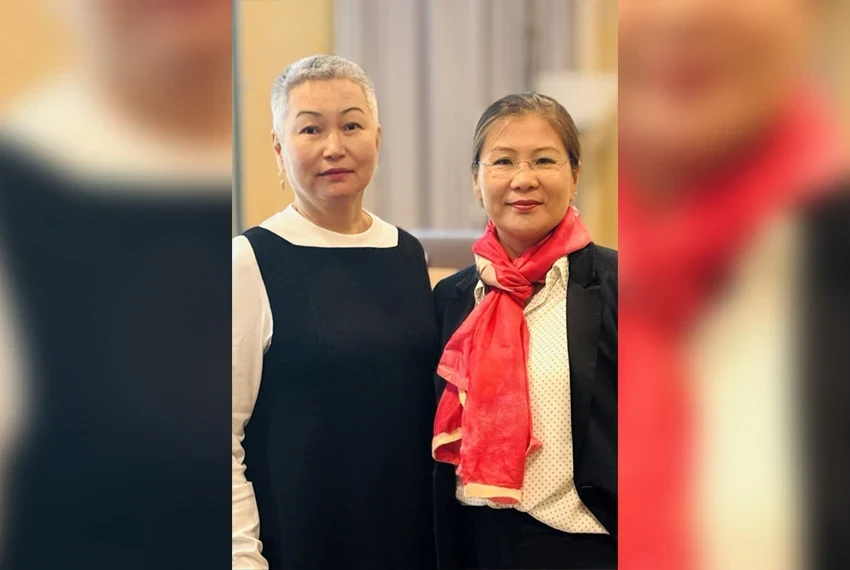
— You have worked on translations of feature, popular science, and documentary films. Which project was the most interesting for you?
— I find projects particularly interesting where the language is closely tied to the cultural context — feature and documentary films, as well as literary texts. I enjoyed working on the films of Aktan Arym Kubat and the theater production "Nest," which was shown in Berlin last year. In such moments, I feel like a mediator and a "bridge" between cultures, rather than just a translator.
— Is there a literary work or historical document that you dream of translating?
— I would like to work on historical films such as "Kurmandzhan Datka," "Kara Kyrgyz," "Singing Sword," as well as with documentary films about Urkun. This is important for the German audience to better understand and reflect on historical events.
Particularly challenging for me would be translating the trilogy "Manas" in the version of Sayakbay Karalaev — I grew up with this epic.
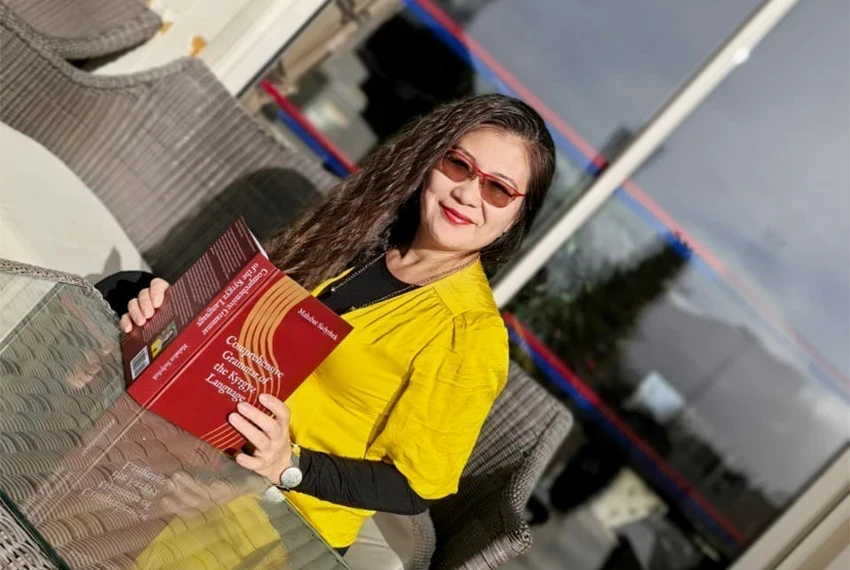
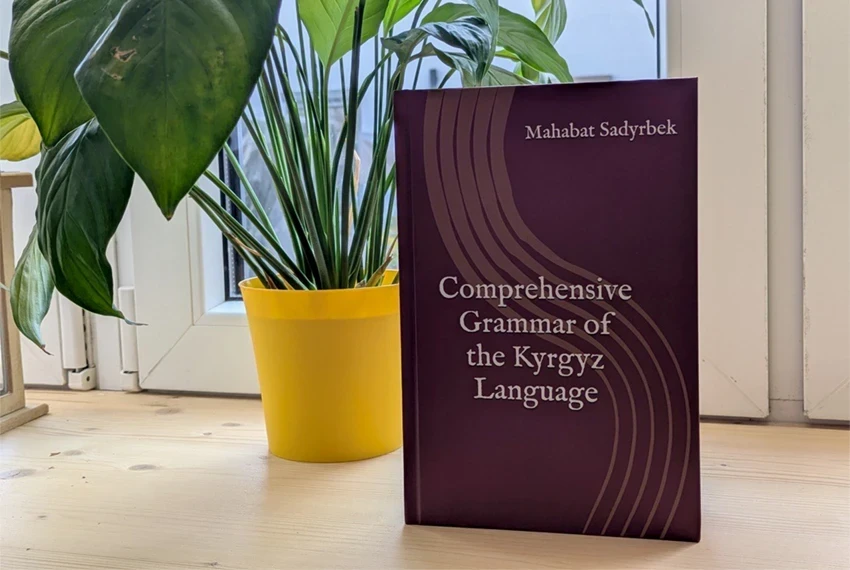
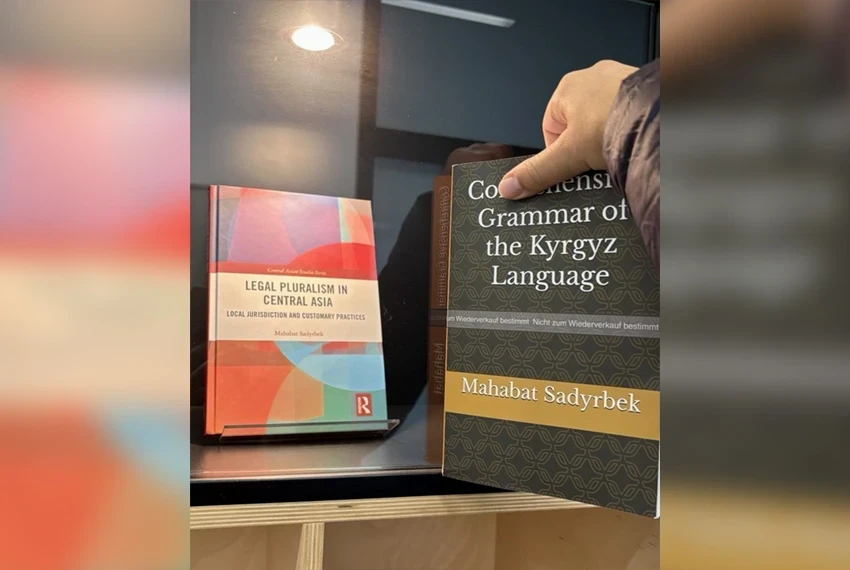
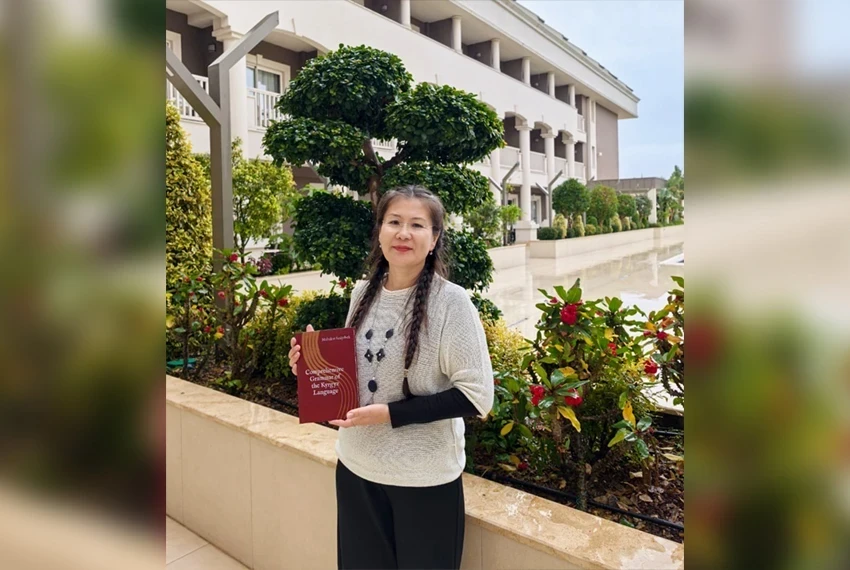
— Your work Comprehensive Grammar of the Kyrgyz Language was recently published on Amazon. How long did you work on it, and what inspired you for the project?
— The work on the book took many years. The inspiration came from the realization that the Kyrgyz language is almost absent in modern systematic grammars for an international audience, and I wanted to fill this gap. What started as a hobby turned into a large-scale social and scientific work that I conducted alongside my main activities.
The result was two substantial works in German and English, with the latter summarizing my knowledge and skills in linguistics and reflecting the overall structure of analysis formed as a result of studying various languages.
— Were there aspects of the language that were difficult to explain to an English-speaking audience?
— The structure of the Kyrgyz language is radically different from Indo-European languages: its agglutinative nature and the law of singharmonization pose a serious challenge for English speakers. Some aspects, such as the future tense category and modal meanings, are often interpreted ambiguously. Working on the verb system of the Kyrgyz language was complex and required much time and thorough research, where I sought a balance between scientific accuracy and accessibility of explanation.
— What feedback have you received about the book so far?
— I have received positive feedback from Kyrgyz historians, linguists, and journalists who consider this work a significant contribution to the preservation of the language and historical memory. I am especially touched by the responses from the Kyrgyz diaspora abroad, who are glad that there is now a basis for teaching the native language to children who grew up outside Kyrgyzstan.
Among foreigners studying the Kyrgyz language, there is an active community both in Bishkek and beyond. In a Facebook group with over 10,000 members, I received many sincere and supportive responses.
However, there are difficulties with access to the book, as Amazon does not deliver to Kyrgyzstan, and it is important for me to solve this problem. Colleagues-linguists and researchers of Central Asia believe that the Kyrgyz language can and should be viewed as a full-fledged object of modern scientific analysis.
— Are there currently enough quality educational materials to promote the Kyrgyz language? What is lacking?
— Unfortunately, there are not enough quality educational materials to promote the Kyrgyz language. If you search for "Kyrgyz language," you can find only a few publications, of which only a handful are truly suitable for teaching.
The last systematic educational resource of international level was created back in 2009 with the support of the Soros Foundation.
Mahabat Sadyrbek
There is a lack of modern, systematic, and multilingual materials designed for both adults and children.
— What advice would you give to those living abroad who want to preserve their native language?
— My advice is to use your native language as often as possible: read, write, speak it, and pass it on to your children without hesitation. I see many inspiring examples where parents create a language environment by organizing clubs, joint readings, and theatrical performances. Ultimately, a language is preserved where it is loved and where speakers take responsibility for it.
— What do you miss while away from your homeland? How often do you visit Kyrgyzstan?
— I miss the spontaneity of communication, the live intonations, and the native landscape. I visit Kyrgyzstan whenever I can, but unfortunately, not as often as I would like.
— How do you find balance between work and personal life?
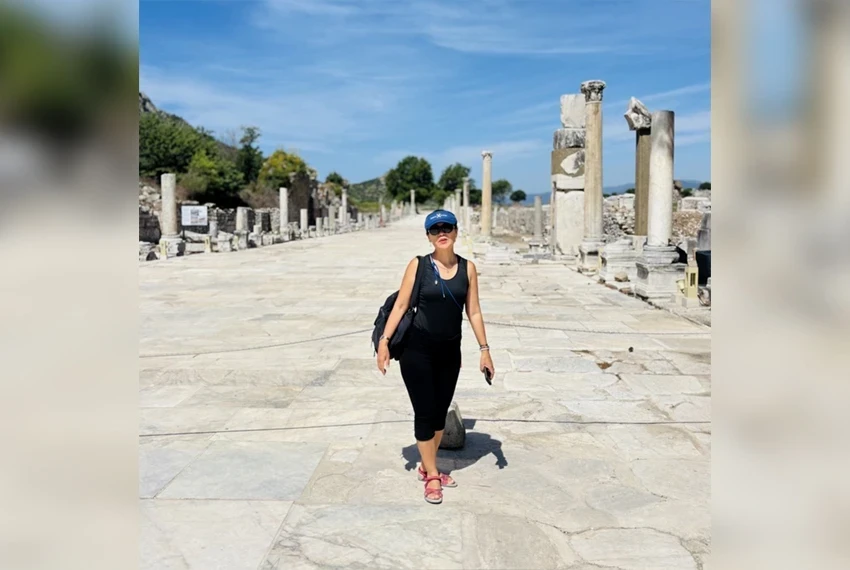
— It is a constant and daily process. I am learning to stop, set boundaries, and leave space for silence. I have an autoimmune disease that I have lived with for many years, so it is important to maintain a rhythm and treat my strengths with care. This has been one of the reasons why I chose the path of independent work in science and translation, which allows me to organize my life according to my physical capabilities. I regularly undergo treatment, including in Turkey, and I try to consciously manage my energy for the realization of long-term scientific and social projects.
— How do you see your future in the next five years?
— In the future, I plan to continue my scientific and translation activities, deepening projects related to language, education, and cultural mediation. I want to create sustainable resources for learning the Kyrgyz language and work at the intersection of science and social practice. It is important for me to expand international cooperation and participate in projects where language serves as a tool for conscious dialogue between cultures. I strive to maintain a balance between professional realization, personal responsibility, and quality of life.
I want the language to be perceived not as a symbol of the past but as a living resource for the future — in the dialogue of cultures and societies.
In light of public discussions about the relationship between the Kyrgyz and Russian languages, I emphasize: the Kyrgyz language should not develop in opposition to other languages.
Mahabat Sadyrbek
It develops on its own path — as a conscious choice and an important part of identity, existing in a multilingual space with mutual respect and coexistence with other languages.