Kazakhstan today not only demonstrates stable economic growth but also actively implements a course towards political modernization and external diplomacy.
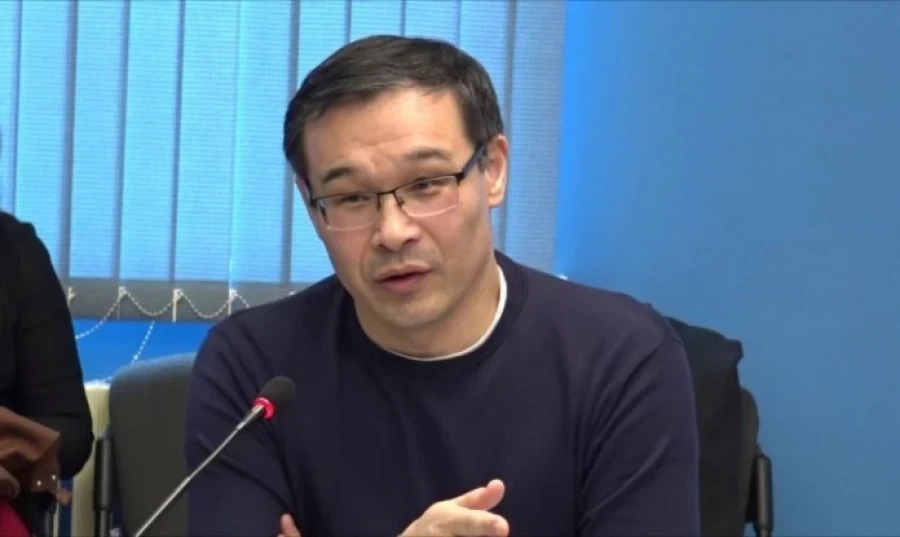
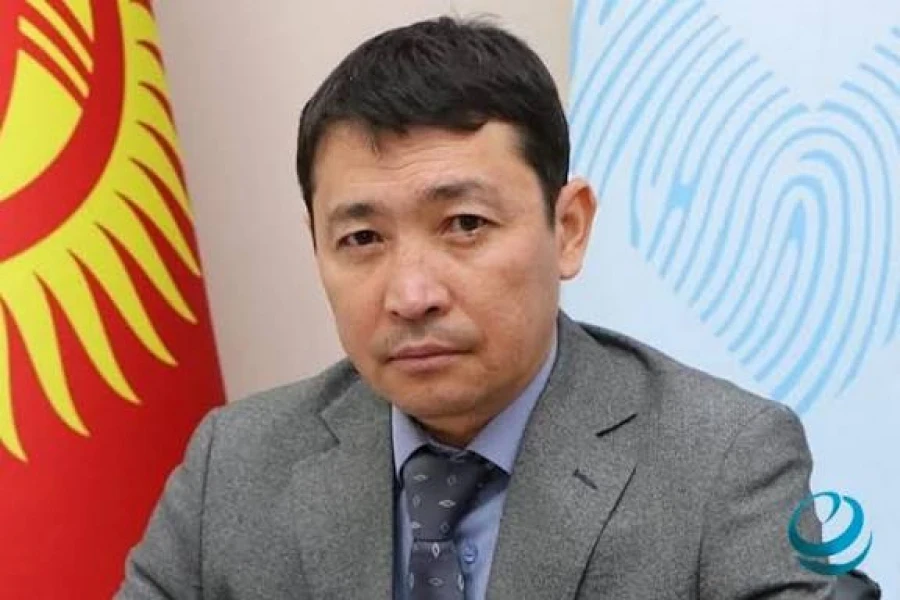
Analyzing recent statements by the president, the director of the Eurasian Strategic Research Center and political scientist Bakyt Zhumagulov shares his opinion for Vesti.kg.
Currently, Kazakhstan stands out in the post-Soviet space due to a combination of sustainable economic progress, political modernization, and a pragmatic foreign economic approach. These are not temporary measures, but a targeted course that is shaping a new model of the country's development.
In the economic sphere, the emphasis on diversification and technological development is becoming evident. Kazakhstan is actively reducing its dependence on raw materials, focusing on industry, logistics, infrastructure, and human capital development. The results are already noticeable: the country's gross domestic product has exceeded 300 billion dollars, and the income per capita has reached 15 thousand dollars. These figures indicate not just growth but also qualitative changes in the structure of the economy and the standard of living of citizens.
It is important to note that changes are occurring not only in the economy. The political course is also undergoing significant transformations. Kazakhstan is gradually moving away from the super-presidential model and emphasizing a system of checks and balances. This includes the redistribution of powers, strengthening institutions, and enhancing the role of parliament and public oversight. The country is entering a new stage of political modernization, where human rights are becoming not just a declaration but a fundamental principle of state policy. This is an important signal for both the domestic society and international partners.
Regional integration also remains a focus. Kazakhstan aims to position itself as a key logistics hub in the Eurasian space. The development of a transport corridor passing through Kazakhstan, Turkmenistan, Afghanistan, and Pakistan connects Central and South Asia, facilitating increased trade flows and opening new markets. Thus, Kazakhstan is becoming a strategic bridge between regions, enhancing its economic and geopolitical significance.
Particular attention should be paid to Kazakhstan's approach to international issues. Its position is based on pragmatism and respect for international law. In discussions on territorial and geopolitical issues, including sensitive topics such as the status of Greenland, the emphasis is placed on contractual mechanisms, long-term agreements, and mutual benefit. All decisions, in my opinion, should be made within the framework of international law with respect for the sovereignty of states. This reflects a mature and responsible approach to diplomacy.
No less important is the perspective on global security. In the context of the crisis of effectiveness of international institutions, including the UN, instead of radical changes in the security architecture, additional cooperation mechanisms are proposed to complement existing structures. This approach is constructive and realistic.
In conclusion, it can be said that Kazakhstan demonstrates a strategy of consistent reforms. Economic growth, institutional transformations, and a balanced foreign policy create a sustainable development model. This is a path based not on loud slogans but on systematic transformation aimed at stability, sovereignty, and improving the quality of life for the population.