
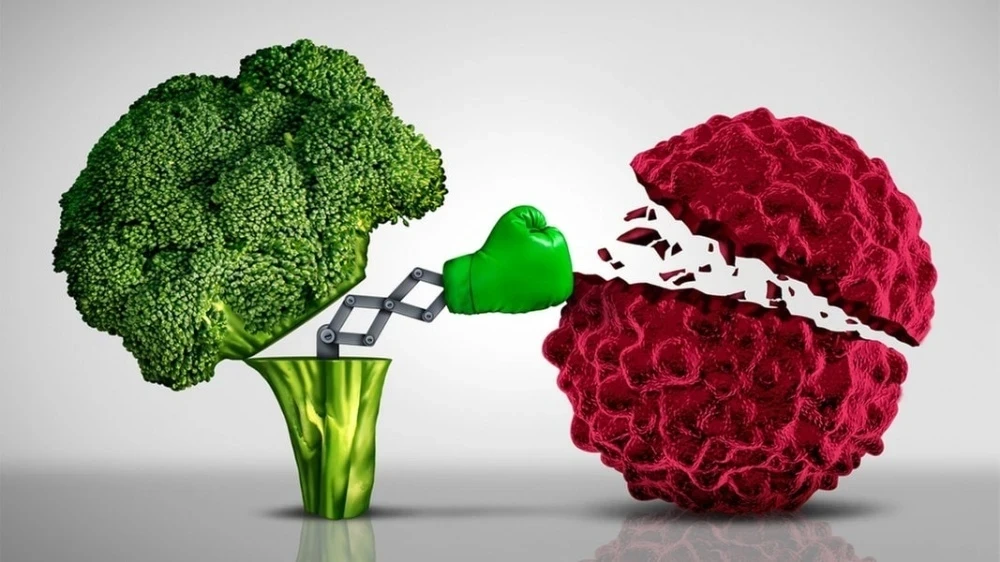
Today, February 4, marks World Cancer Day. In anticipation of this date, experts discussed the situation with oncological diseases in Kyrgyzstan, focusing on the development of diagnostics and the main problems in the patient care system.
Sultan Stambekov, head of the pediatric oncology department at the National Center for Maternal and Child Health, noted that the increase in cancer cases among children is related to the improvement of diagnostic methods, rather than a rise in incidence. "Previously, we recorded about 8 cases per 100,000 children; now this number has increased to 10-11. This brings us closer to global standards and gives children a chance for treatment," he added.
Kyrgyzstan is actively participating in the WHO global initiative aimed at increasing the survival rates of children with oncological diseases by 2030. In recent years, funding for pediatric oncology services has increased tenfold—from 20 to 200 million soms—allowing for the introduction of modern medications, such as "Blinautumomab," which reduces the risk of relapses.
However, significant problems remain in the field of adult oncology. Anastasia Gadzhieva, a representative of the Patient Community Union, reported that there are only two oncology centers operating in the country—one in Bishkek and one in Osh. "The problem lies in the huge queues and advanced stages of diseases due to late consultations. Despite the increase in funding, there are still difficulties with the procurement and delivery of medications. If drugs are delayed, the disease continues to progress, and families are forced to bear the costs of treatment themselves," she explained.
Additionally, many vital tests, such as MRI and flow cytometry, remain paid services.
Experts recommend that patients do not delay seeking medical attention after a diagnosis, avoid folk remedies, and seek a second opinion if necessary. If treatment is unavailable in the country, it is worth considering therapy options abroad. The first successful bone marrow transplant in Kyrgyzstan has already taken place, but the system is still in the development stage.
The public fund "Sun of Hope" reminds that in the early stages, oncological diseases can progress almost without symptoms. Signs that require immediate medical attention include prolonged fever without signs of a cold, persistent pallor and weakness, unexplained bruises or bleeding, bone pain, and the appearance of painless lumps on the body.
Experts believe that oncology will become one of the key areas of medicine in the future. In this regard, the rehabilitation system is particularly important, as many patients face psychological consequences after treatment and need support.
The "Sun of Hope" fund emphasizes that assistance does not always imply financial costs. Attention to loved ones, timely examinations, and open discussions about problems can save lives.


