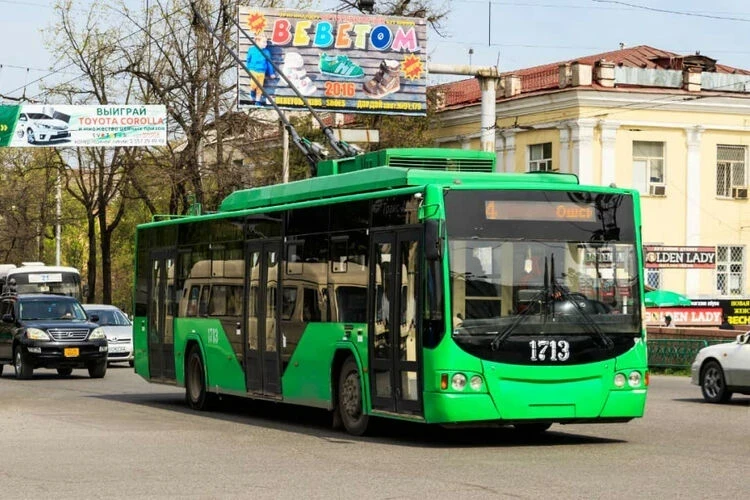
Despite the complete disappearance of the trolleybus system, the residents of Bishkek and activists do not forget about this environmentally friendly and spacious mode of transport.
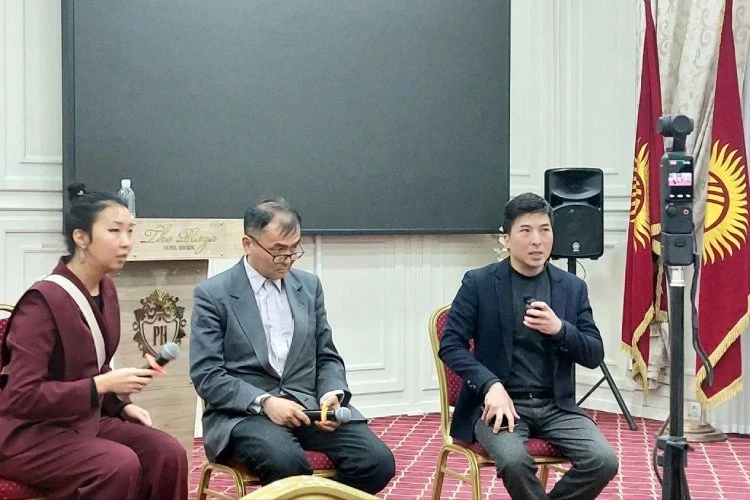
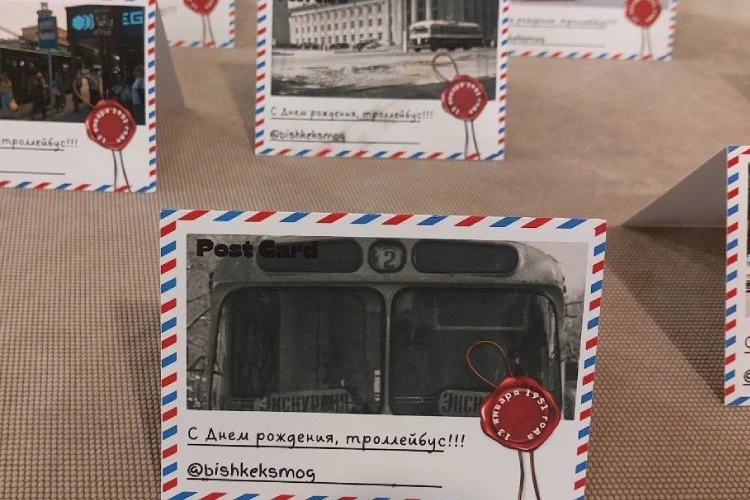
As part of the celebration of the 75th anniversary of trolleybuses and discussions on electric transport, initiated in the context of the UN Decade of Sustainable Transport, a special meeting was organized.
Activist and analyst Bermet Borubaeva, representing the initiative group #BishkekSmog, noted that they tried to understand why local authorities abandoned the existing convenient transport system and replaced it with untested electric buses in the city, but they found no answers.
Problems with venues did not hinder the event
The organizers reported that the preparation for the anniversary faced numerous difficulties, including refusals from three hotels in Bishkek to provide venues for discussions.
“Two days before the event, one hotel canceled the agreement, another — less than a day before. The third refused just three hours before the start, all without explanation. We sent pre-trial claims regarding the refusals from Park Hotel and B Hotel and expect compensation. Otherwise, we will defend our rights in court,” the activist reported.

During the event, the electricity went out in one of the halls. Fortunately, the hotel had generators, but restoring communication and equipment took about 20 minutes.
In the official part of the event, expert reports were presented on the prospects of electric transport, ecology, and urban development. Participants actively asked questions and engaged in discussions, not leaving the hall even during the power outage. The evening concluded with musical performances and enthusiastic applause.
The liquidation of the municipal enterprise "BTU" and its consequences for employees
This year would mark the 75th anniversary of the municipal enterprise "Bishkek Trolleybus Management," but at the end of 2024, it was liquidated, and many employees who had dedicated their best years to work were sent on unpaid leave. The management did not dismiss the workers but also did not provide them with jobs. As a result, at least 600 people were left without income. Some drivers were offered retraining as bus drivers, but not everyone could adapt to the new conditions, and many remained unemployed.
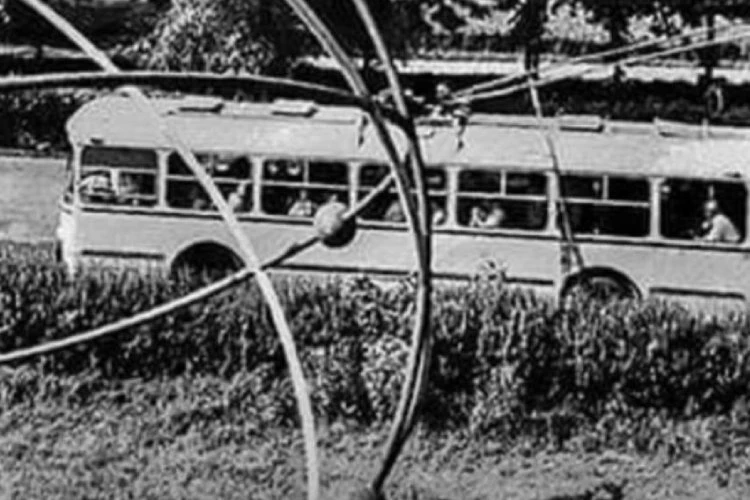
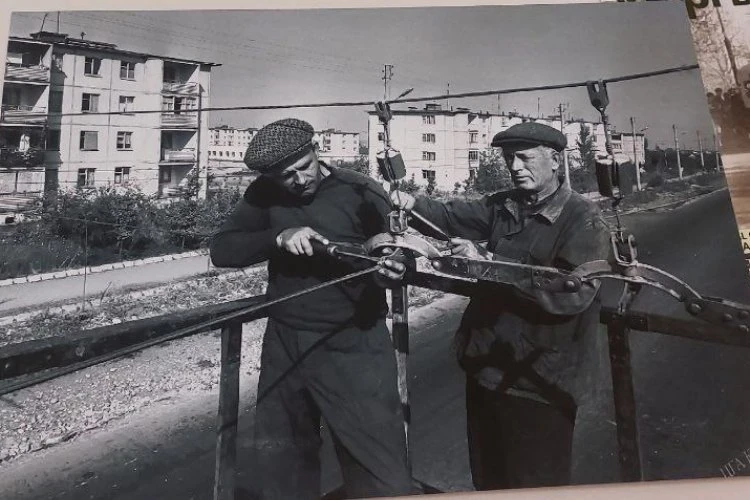
“Some retired, others underwent retraining, while some are getting by with odd jobs. For example, one former trolleybus driver started selling chickens,” said Bermet Borubaeva.
Ludmila Kozlova, a trolleybus driver with 47 years of experience, nostalgically recalls her favorite route No. 17, which ran to "Kozh zavod" and back, as well as her colleagues.
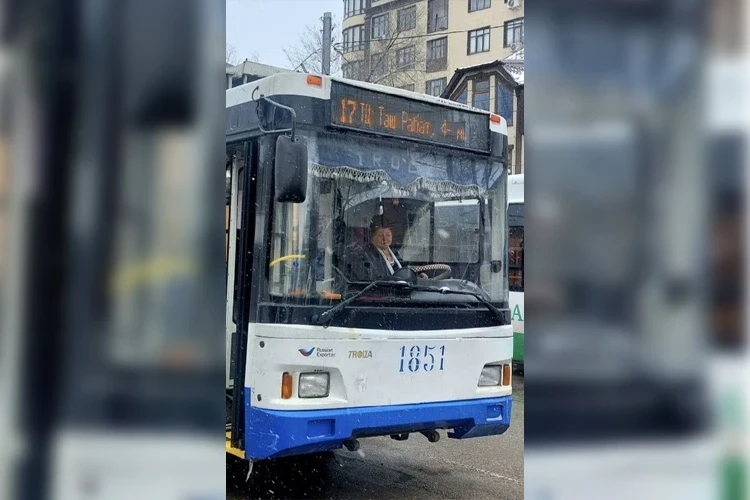
“All of this is now in the past, just like the trolleybuses. At the moment, I work in a flower shop,” shares Ludmila Kozlova.
According to her, many BTU employees went to Russia in search of work or for permanent residence. Some found jobs in the bus management as dispatchers or mechanics. But the memory of the close-knit team will forever remain in the hearts of all former BTU employees.
The history of the trolleybus management
On the official website of the Bishkek mayor's office, historical facts about the first electric transport management can still be found.
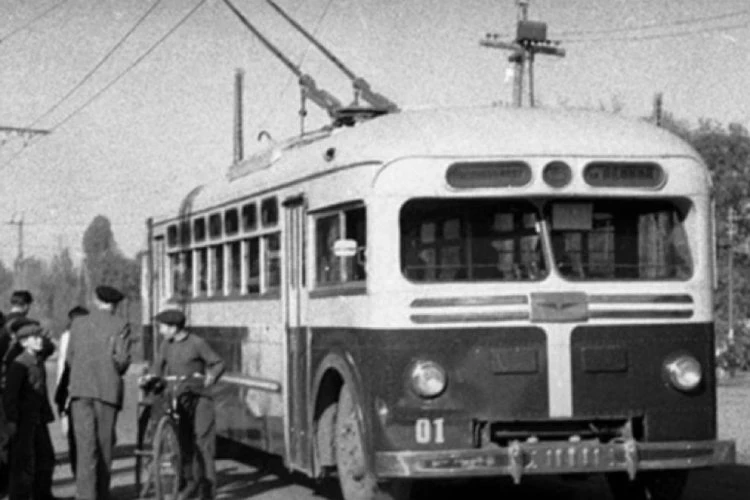
- In January 1951, the first trolleybus route was launched in Frunze, marking the beginning of the development of this important mode of public transport.
- The first route No. 1 connected the railway district with Sverdlov Street (now the Academy of Sciences) and ran along Soviet and Stalin Streets (now Chuy Avenue). The first driver was Nikolai Tagiltsev.
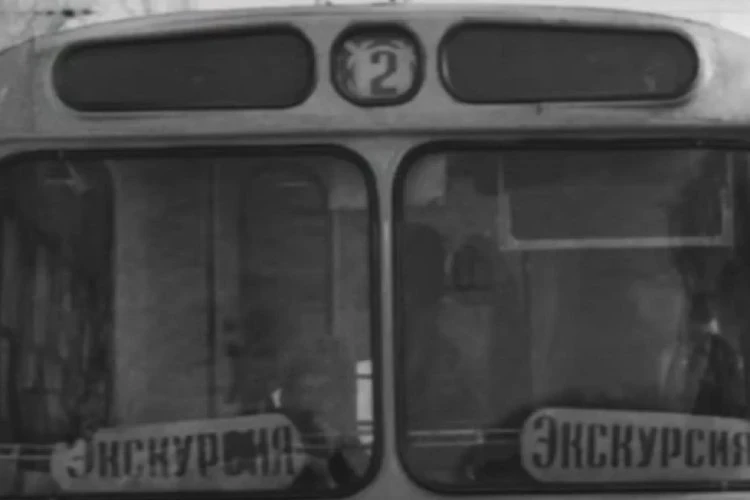
- That same year, route No. 2 was opened — from the railway station to Lenin Avenue (now Jibek Jolu). The total length of the lines was 8.4 kilometers, and four MTB-82D trolleybuses were used for passenger transport.
- In the first year, more than 3.2 million people used the trolleybuses, and by early 1952, the network expanded to 17.4 kilometers, and the fleet increased to 10 vehicles, with the construction of depot No. 1.
- In 2024, BTU employed 616 people, servicing 11 routes and having a fleet of 179 trolleybuses, the last update of which occurred in 2018.
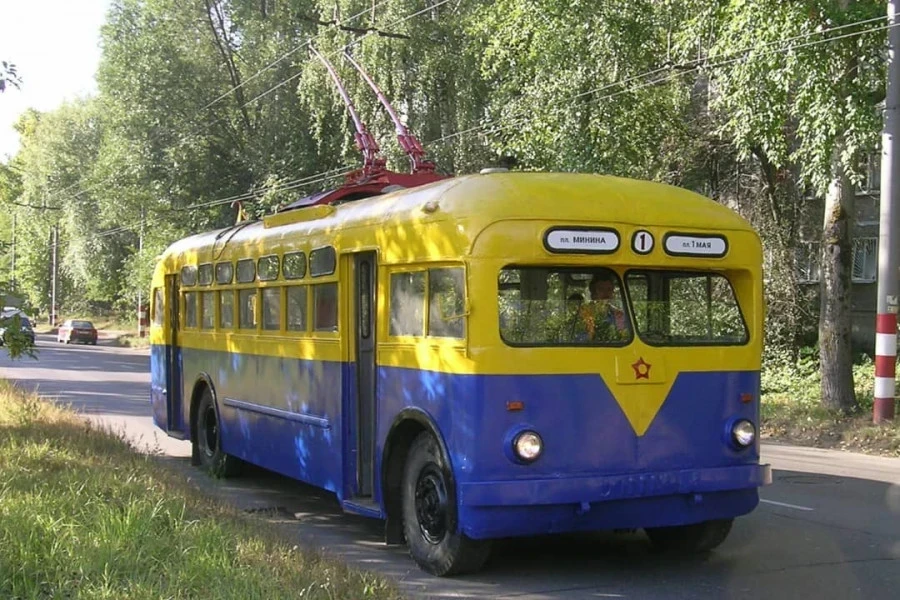
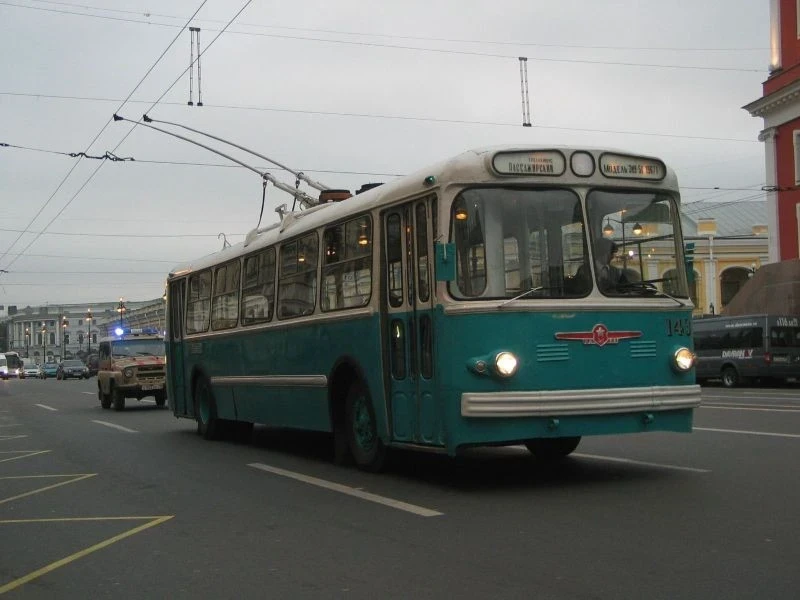
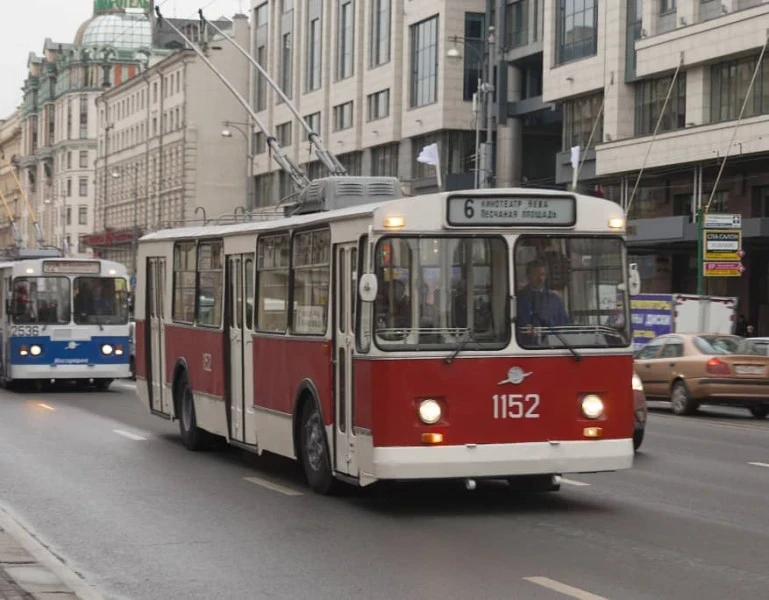
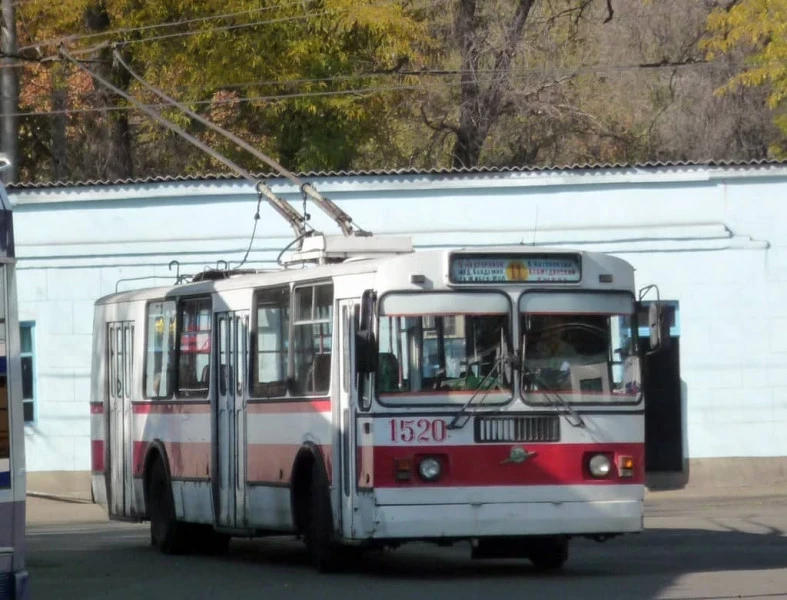
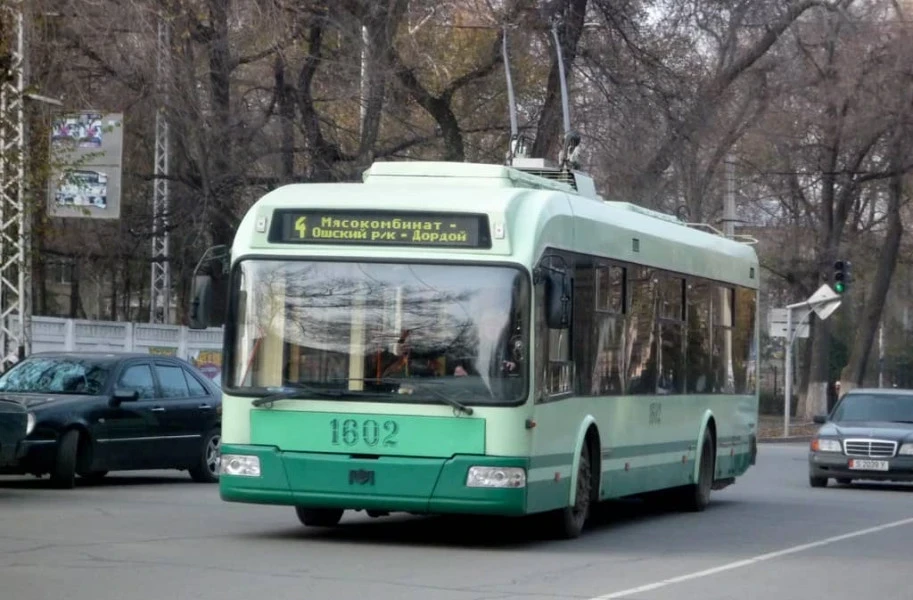
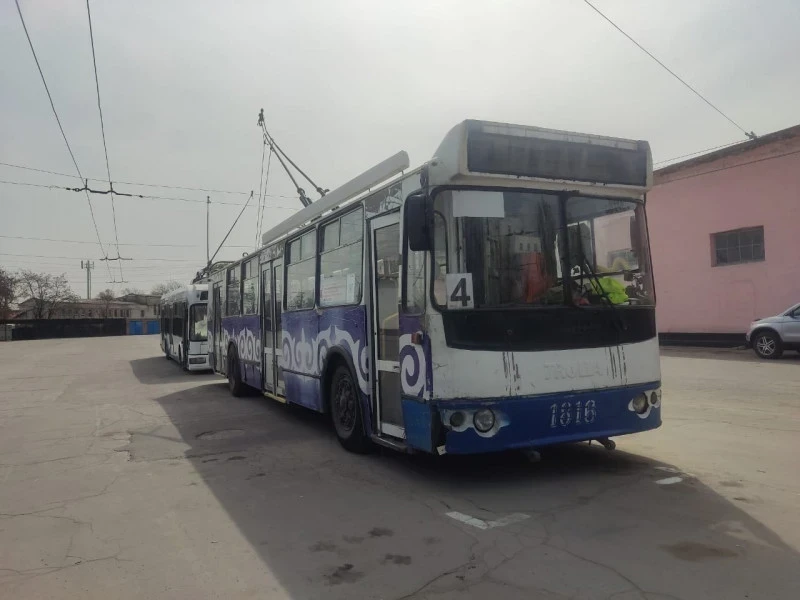
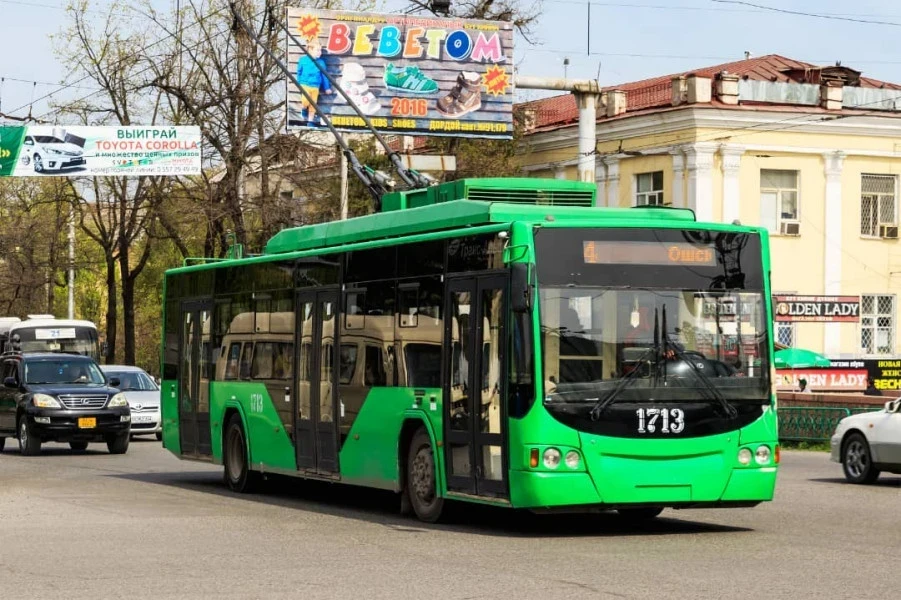
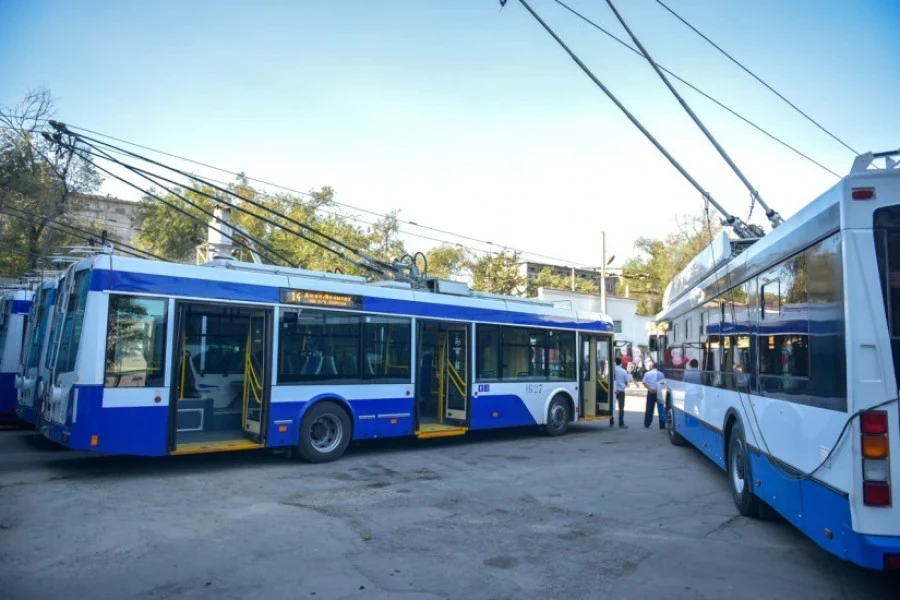
Chronology of the decision to liquidate trolleybuses according to economist Marat Musuraliev (2024)
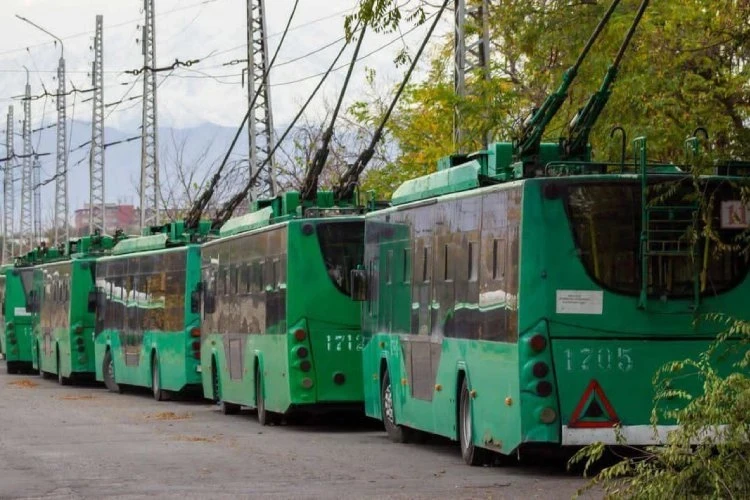
Copper wires and their value
Economist Marat Musuraliev notes that copper wires have their value.
“Trolleybuses were used for over half a century. One should consider the difference between accounting and market value. The accounting value is already zero, as trolleybuses have long been depreciated,” emphasizes the economist.
At the same time, quality copper wires should not be overlooked. Currently, the average market price for 1 kilogram ranges from 700 to 900 soms. According to activists' calculations, the length of wires throughout the capital is 210 kilometers, which could bring in up to 2-3 million dollars from their sale.
The economist asks: where is this money?
Bermet Borubaeva added that activists sent inquiries to local authorities about the whereabouts of the wires, but received no response.
Batteries of electric buses and their lifespan
Marat Musuraliev also noted that trolleybuses were replaced not only by electric buses but also by buses with internal combustion engines, which means that electric transport was replaced with less environmentally friendly options.
This is not progress, but regression. There is a gradual replacement with electric buses, but everyone knows that batteries lose their properties over time.
Marat Musuraliev
He gave the example of smartphones, emphasizing how battery capacity decreases over time. This means electric buses will require more frequent recharging.
“Recently, solid-state batteries with a lifespan of 100,000 cycles have emerged, which can last up to a hundred years, but progress has not yet reached us,” believes Musuraliev.
The expert also noted that electric buses, unlike trolleybuses, do not have wires, but there is a limited range, and the weight of the batteries is not in kilograms, but in hundreds of kilograms.
He hopes that the issues of battery disposal have been thought out and resolved by the mayor's office in advance.
“The new General Plan envisions the return of trams, but they will also have wires. If you didn’t like the trolleybus wires, how are tram wires any better? If trams are returned, the question arises: why remove trolleybuses?” he asks.
Bermet Borubaeva clarified that the ADB project did not plan to replace trolleybuses with electric buses, but to supplement them, increasing the diversity of transport.
Initiatives for sustainable transport in Kyrgyzstan
Despite the disappearance of trolleybuses, issues of implementing environmentally friendly transport in Bishkek are being addressed through various projects and programs. UNDP is actively developing regulatory frameworks for effective cooperation with partners, including banks involved in infrastructure projects.
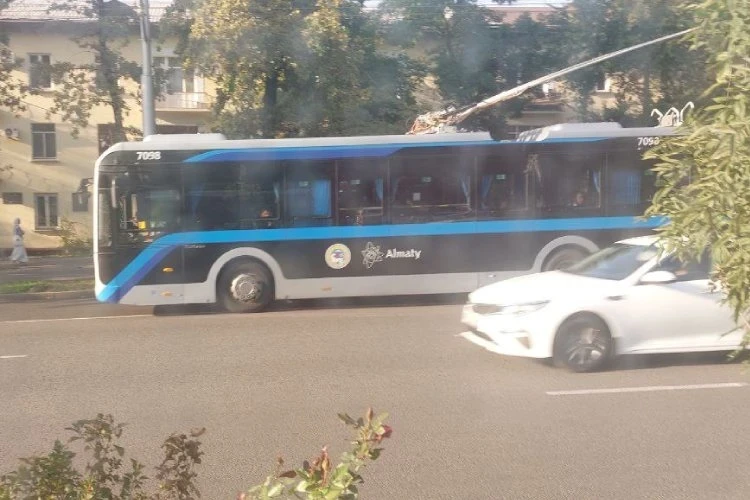
One such project is the Asian Development Bank's initiative to introduce electric buses in Kyrgyzstan. As part of this program, 21 electric buses have already been launched and two depots have been reconstructed. Active work is underway with the Bishkek mayor's office.
Detailed engineering projects are also being developed, and the infrastructure for electric transport in Karakol is planned, based on the experience of Bishkek.
Trolleybuses are gone, but questions remain
The situation with the liquidation of trolleybuses in Bishkek has shown that under the pretext of modernization and sustainable development, the city has lost a reliable, environmentally friendly, and socially important mode of transport, without receiving clear solutions or convincing explanations in return.
Despite all the difficulties and refusals, civil activists, experts, and former BTU employees have demonstrated that public memory and professional argumentation can overcome administrative decisions: questions of economic feasibility, energy security, battery disposal, and the fate of people and infrastructure remain unanswered.
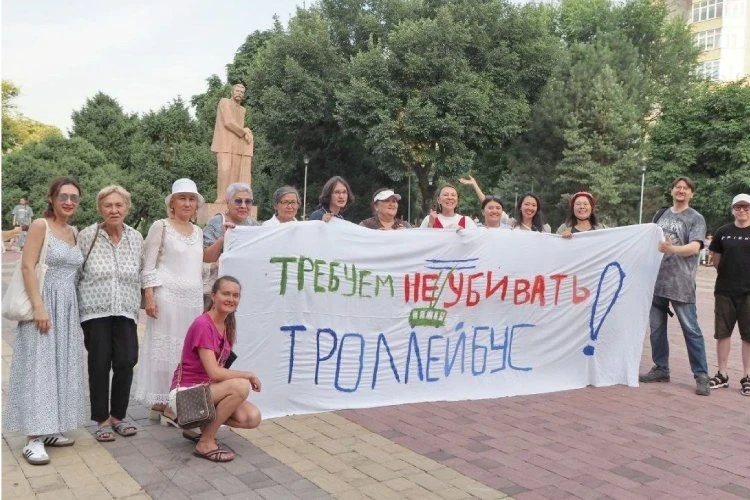
Photo 24.kg. Bishkek residents have repeatedly held peaceful gatherings in support of trolleybuses
The celebration of the trolleybus anniversary became not only an act of nostalgia but also a reminder that sustainable transport is not a rejection of the past, but a thoughtful development in which new technologies should complement, rather than replace, existing systems.