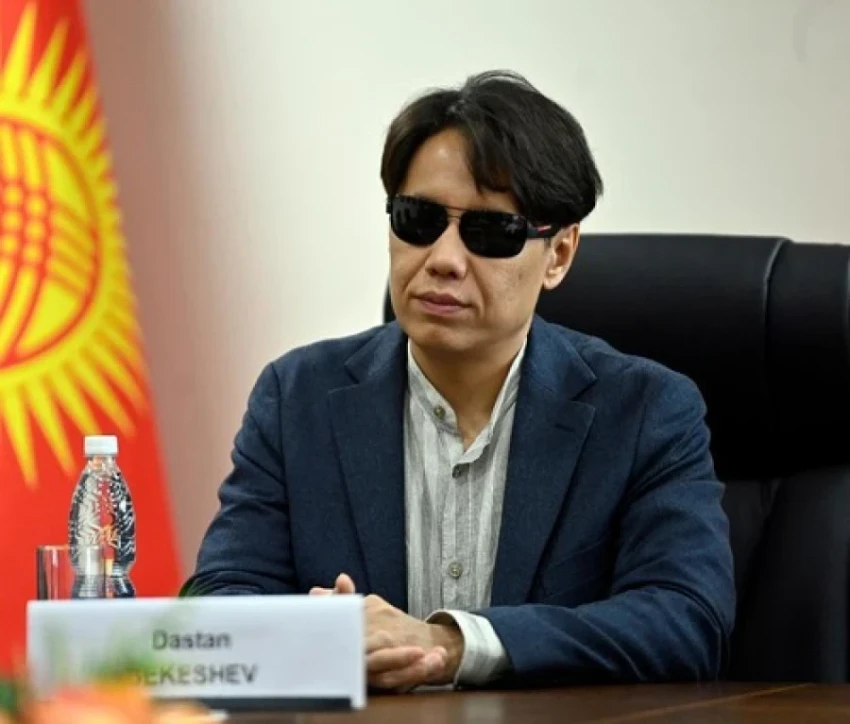
The deputy appealed to Deputy Attorney General Ümütkan Konkubaeva, asking her to instruct court bailiffs to analyze the alimony system: to find out how many people fulfill their obligations and how many avoid them.
In Bekeshev's opinion, in this situation, only women suffer, as they are forced to turn to courts and other instances to receive the payments due to them. "The alimony system does not work, and only women end up as victims, constantly seeking help," he noted.
He suggested establishing a minimum amount of alimony that would be paid by the state in the event of a divorce, which would then be recovered from the person responsible for financial support. "If a man becomes a father, he is obliged to take care of his child. It is easy to create a family and have children, but one must also think about financial obligations," the deputy added.
Bekeshev noted that many men, entering new relationships, do not consider their responsibilities, and ultimately, this burden falls on the shoulders of the state and women. He emphasized the need to analyze the existing system and transition to a new approach, where, in the event of a divorce, alimony would be collected from men, not women.
The Deputy Attorney General agreed with this position and humorously remarked that in such situations, people should think about whether it is worth getting married. According to statistics, since 2019, 22% of families in the country divorce annually.
Bekeshev also pointed out the problem of unpaid alimony. As Konkubaeva reported, in 2025, 341 men were deprived of parental rights, as many refuse to fulfill their financial obligations. Currently, there are about 60,000 protocols on alimony cases, but it is impossible to determine the exact amount due to its constant changes.
The deputy proposed that those who encourage the creation of families bear financial responsibility for it. "Those who ask, 'When will you get married? When will you marry?' should be ready for the consequences," he emphasized.
According to Konkubaeva, an approach is currently being developed whereby the state will pay alimony and then recover these funds from debtors through the prosecutor's office.