
Questions regarding electricity savings are important not only for household expenses but also for environmental protection. Reducing energy consumption daily helps decrease greenhouse gas emissions and eases the burden on the country's energy infrastructure.
Try to use energy rationally.
Plan the use of electrical equipment to minimize the load on the grid during peak hours, which occur from 6 PM to 10 PM. For example, it is better to run washing machines and ovens in the morning or daytime. This will reduce the risk of power outages.
Choose energy-efficient appliances.
When purchasing household appliances, pay attention to the energy efficiency rating: the higher the class (A, A+, A++), the less energy the device requires to operate at the same performance level. Such devices quickly pay for themselves through energy savings.
Regularly maintain your household appliances.
Dirt and dust reduce the efficiency of air conditioners, refrigerators, and heaters. Periodic cleaning of filters and fans will help improve their performance and reduce electricity consumption.
Use natural lighting.
During the day, try to maximize the use of natural light. Place workspaces closer to windows, choose light curtains, and paint walls in light colors to better reflect light. This will allow you to turn on electric lighting less frequently.
Switch to LED bulbs.
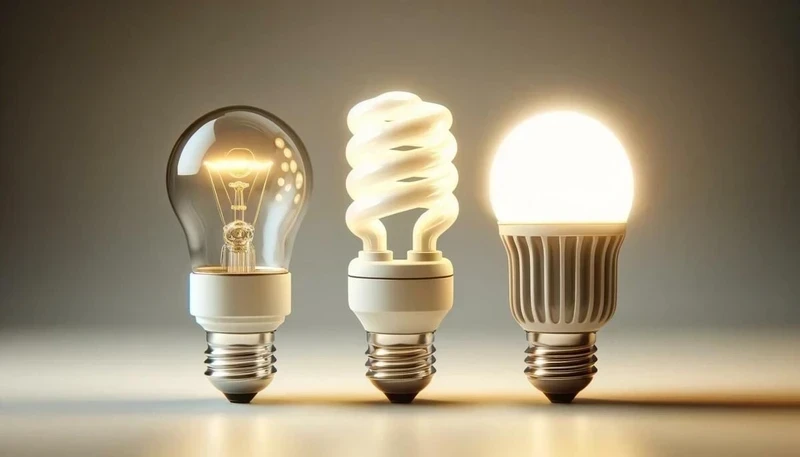
LEDs consume 6-8 times less electricity compared to incandescent bulbs and last ten times longer. Even replacing lighting in one apartment can reduce electricity consumption by 20-30%.
Televisions, computers, and chargers continue to consume electricity even when turned off. This is called "vampire energy." Completely disconnect devices using outlets with switches or power strips.
Use electric heaters sparingly.
Heaters, boilers, and electric kettles are among the most energy-consuming appliances. Use them only when absolutely necessary, do not boil excess water, and avoid leaving heaters on in empty rooms.
Solid doors and windows, quality curtains, and carpets help retain heat. The less heat loss, the less frequently heaters need to be used, which in turn reduces electricity consumption.
Use modern technologies to monitor energy consumption.
If possible, install "smart" outlets or meters that allow you to track your energy consumption and automatically disconnect devices if it exceeds set limits. This is not only convenient but also economical.


