
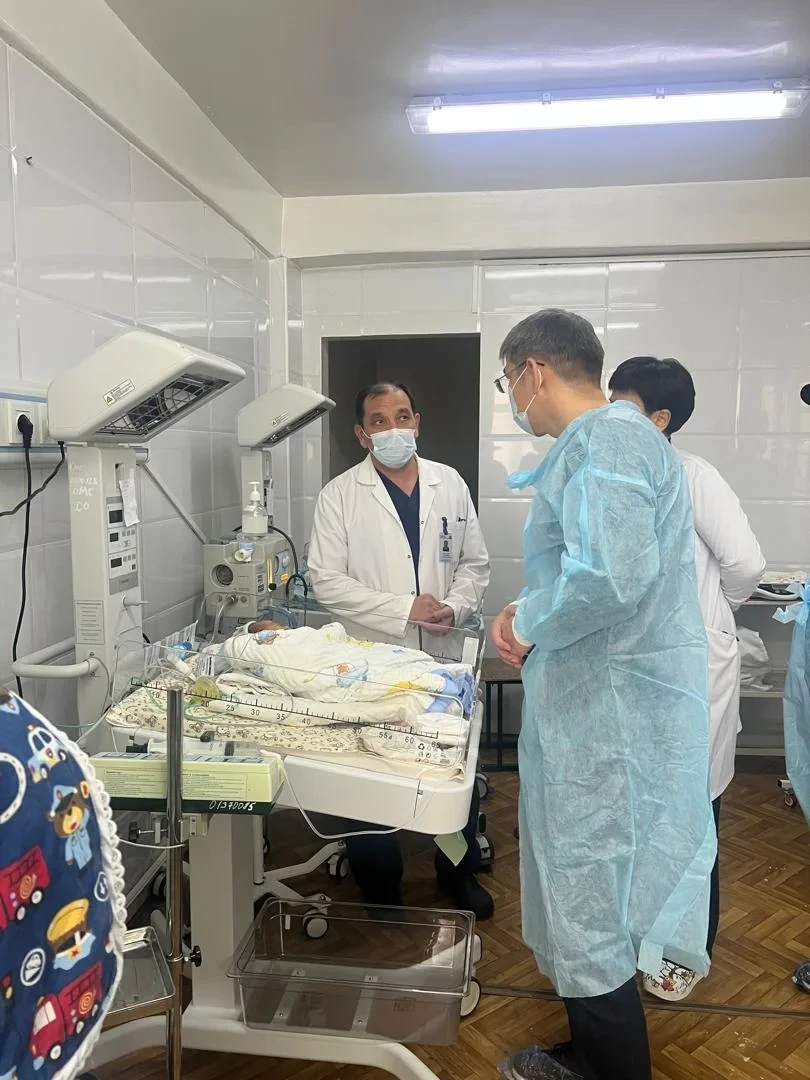
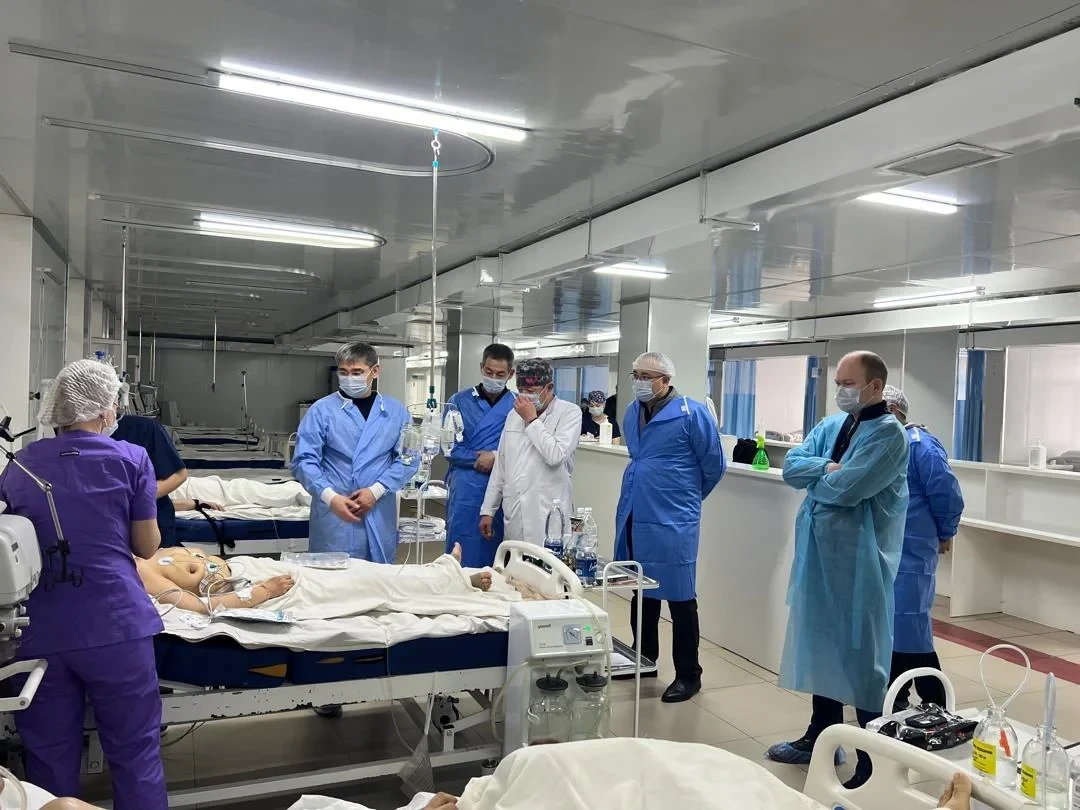
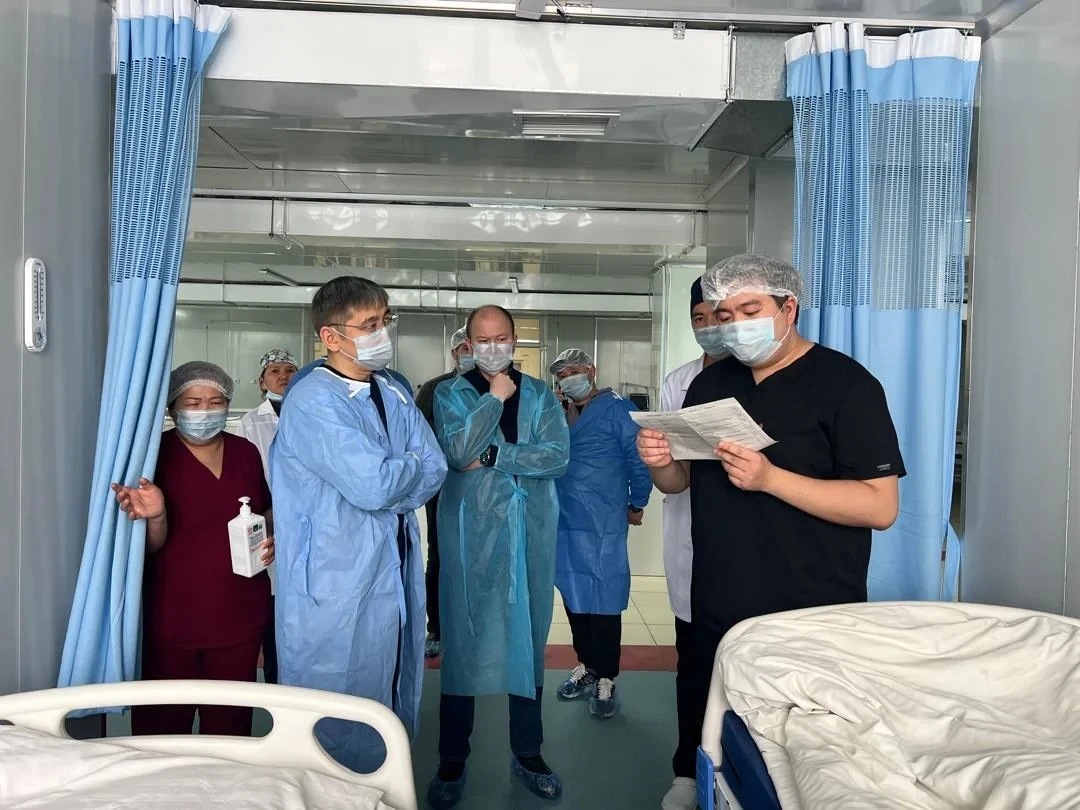
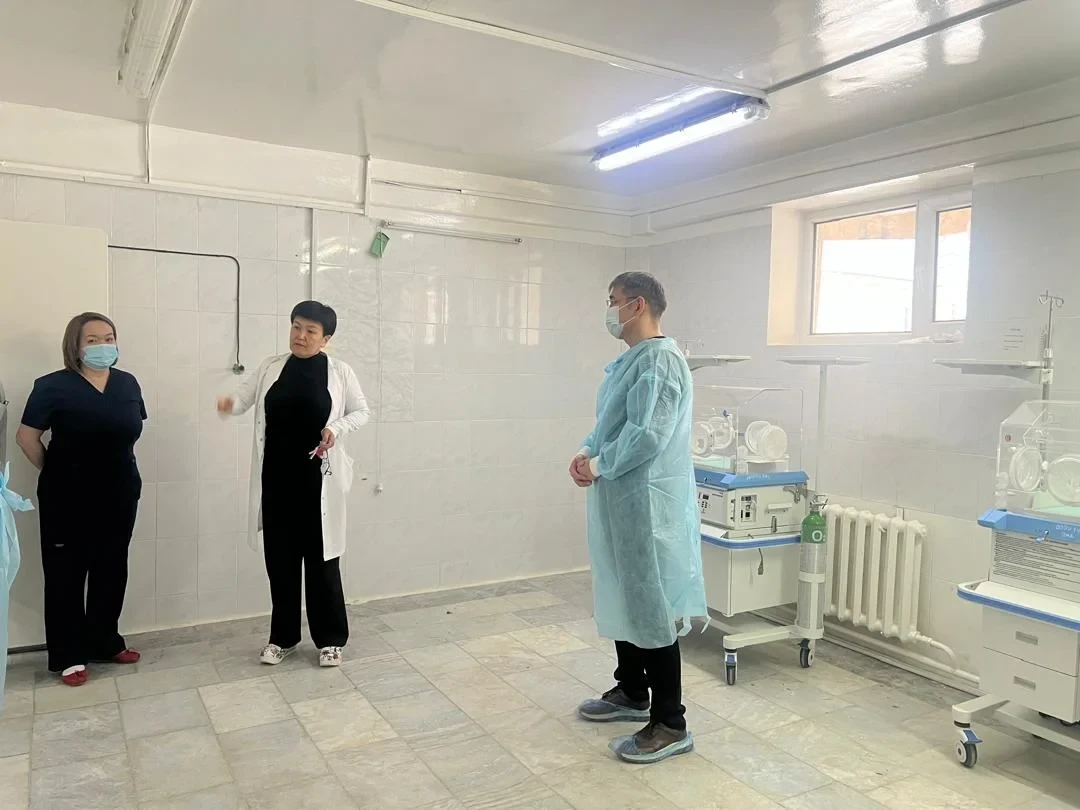
On February 28, 2026, the Minister of Health of the Kyrgyz Republic, Damir Osmonov, visited several medical institutions in Bishkek. During his visit, he assessed the state of infrastructure, the conditions for providing medical assistance, and the current progress on tasks. This was reported by the press service of the Ministry of Health.
At the National Hospital, the minister inspected the emergency medical care department, as well as areas currently undergoing renovation.
According to the chief physician of the National Hospital, Bakyt Tologonov, the reconstruction of the intensive care unit is nearing completion, and the renovation of the building designated for the reference laboratory is expected to be finished by the end of April.
The establishment of the reference laboratory is being carried out with the support of the Asian Development Bank and aims to create a centralized laboratory base for the city's hospitals. This will allow the National Hospital to conduct laboratory tests centrally for urban hospitals, which, in turn, will improve the quality of diagnostics and implement unified standards. The project has been ongoing for a year, and after the renovation work is completed, equipment will be installed and staff trained, after which the laboratory will begin full operations.
The minister also visited the central emergency care unit, which has been successfully operating for over a year and a half and has established itself as a sought-after facility. He outlined areas for improvement: the creation of a shock room, further equipping departments, and organizing continuous ECG monitoring of patients in the intensive care unit.
The next stop of the visit was the Kyrgyz Scientific Center for Human Reproduction, where the management presented information about current projects, resources, and issues in the field of reproductive health.
At the end of the meeting, the minister instructed the center's management to develop practical recommendations to improve indicators in maternal health care and strengthen the scientific potential of the institution.


