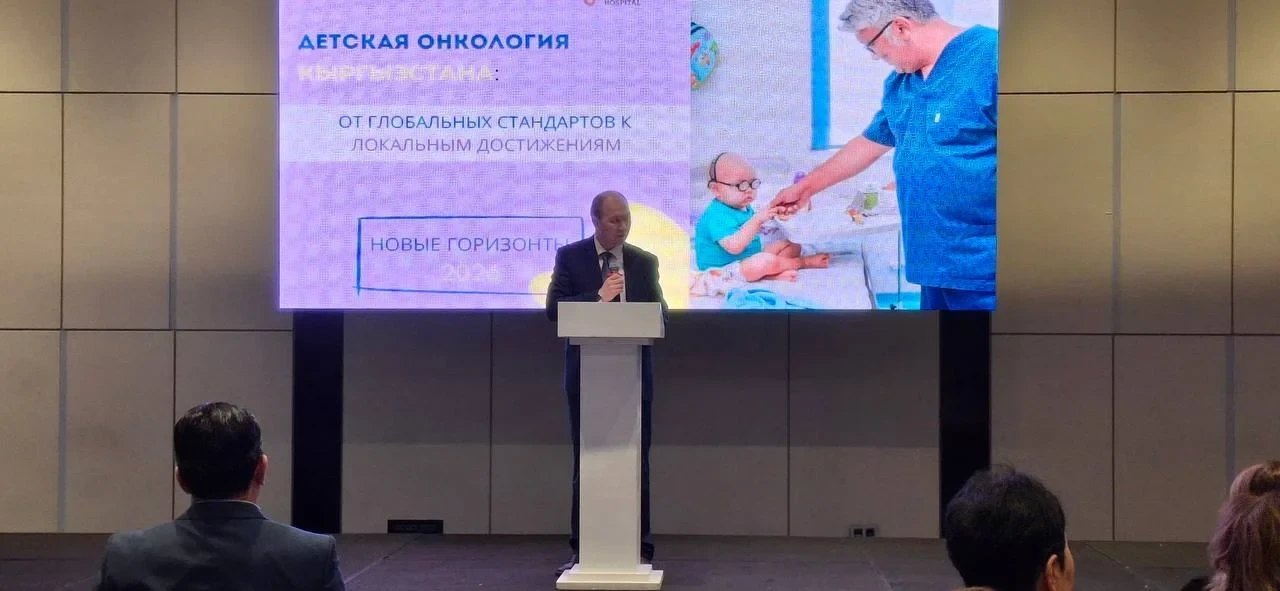
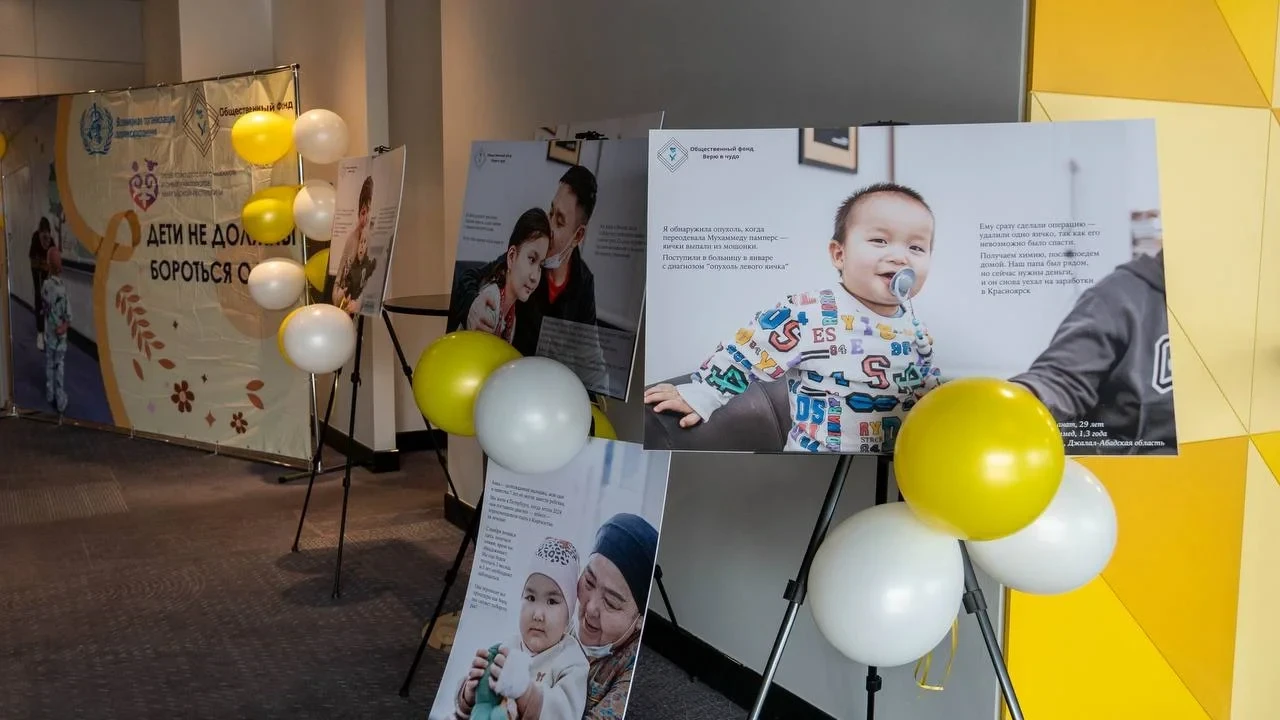
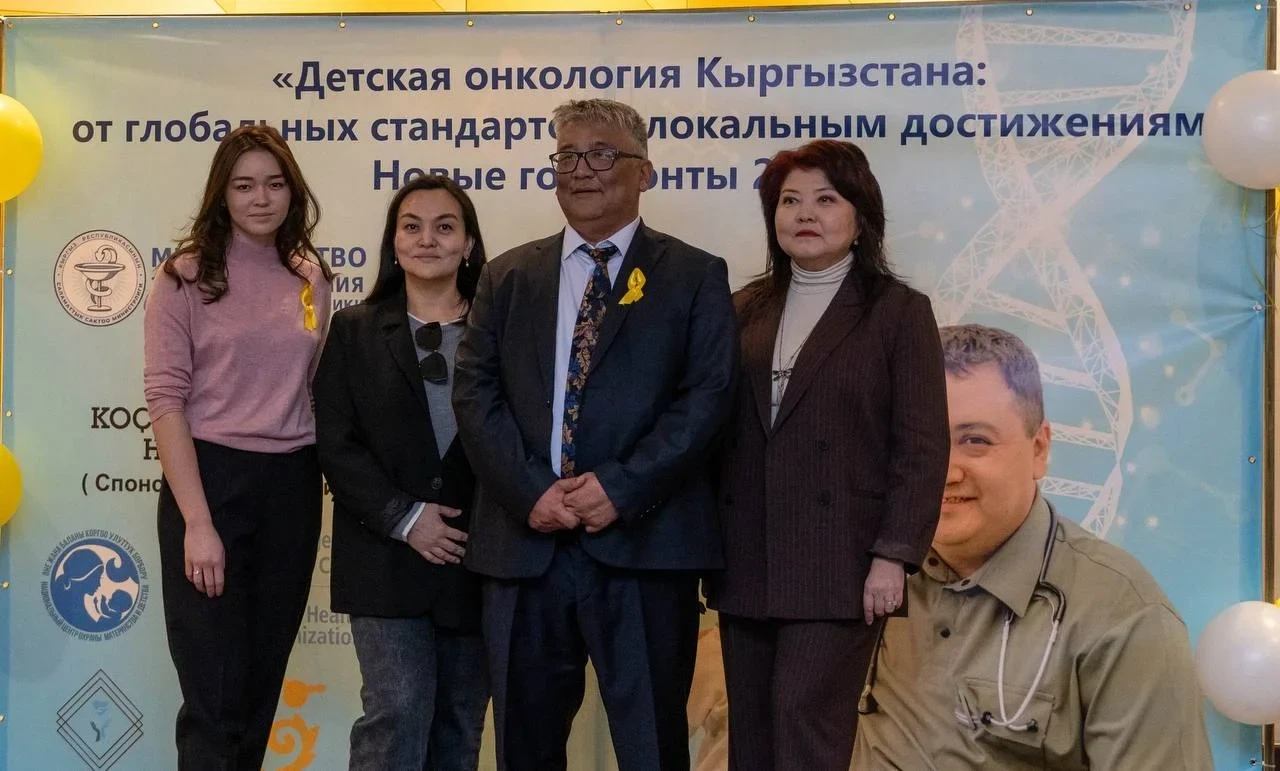
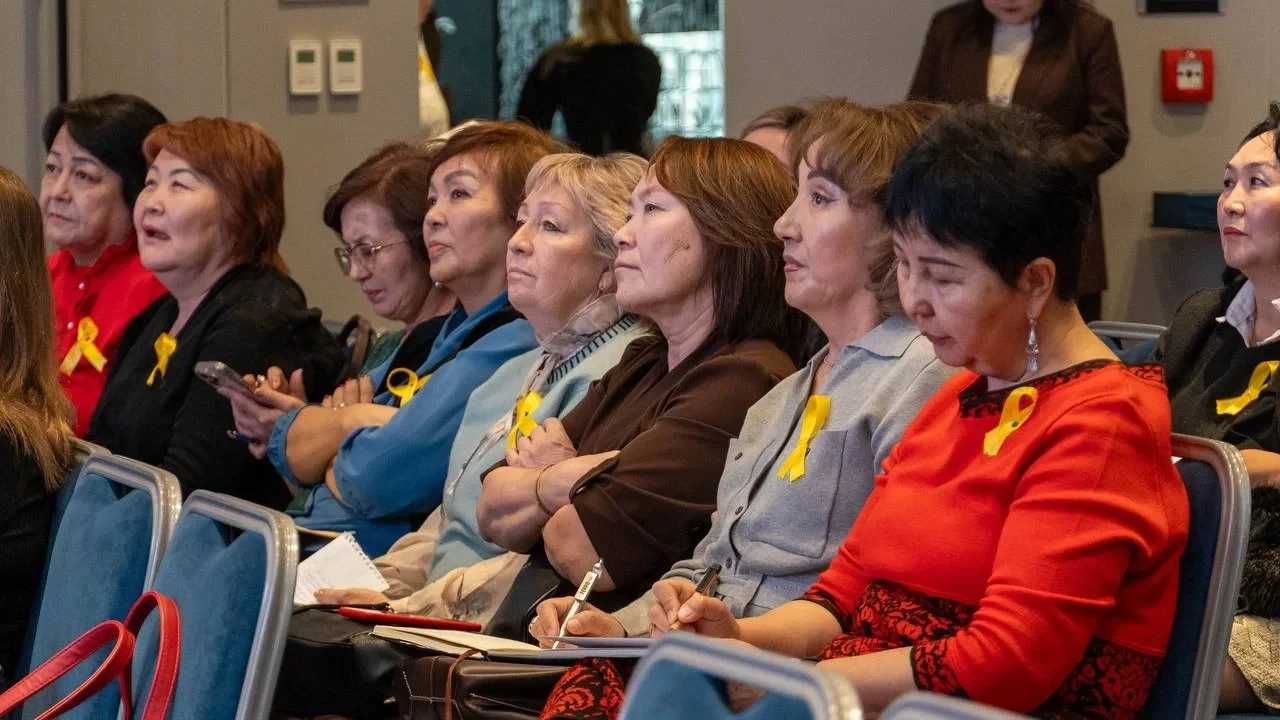
On February 18 in Bishkek, a national conference titled "Pediatric Oncology in Kyrgyzstan: From Global Standards to Local Victories — New Horizons 2026" was held in connection with the month of awareness about childhood cancer. According to the Ministry of Health of the Kyrgyz Republic, the event discussed the outcomes of the pediatric oncology service since Kyrgyzstan joined the WHO Global Initiative for Childhood Cancer. It was noted that approximately 200–220 new cases of cancer in children are registered annually in the country. The increase in detected cases is associated with improved diagnostics, the introduction of clinical protocols, and the development of the national cancer registry.
Among the participants were Deputy Minister of Health Bakytbek Kadyraliev, representatives of the Jogorku Kenesh, the World Health Organization, heads of medical institutions, as well as international partners and medical experts.
In his speech, Bakytbek Kadyraliev emphasized the importance of implementing modern treatment methods, including preparation for the introduction of CAR-T therapy. He stressed, "The development of pediatric oncology is not only a matter of image but also a matter of saving lives. The state must create a stable system so that the treatment of children does not depend on charitable fundraising. We aim to reduce the number of cases that require going abroad and to develop high-tech assistance within the country, as well as strengthen international cooperation."
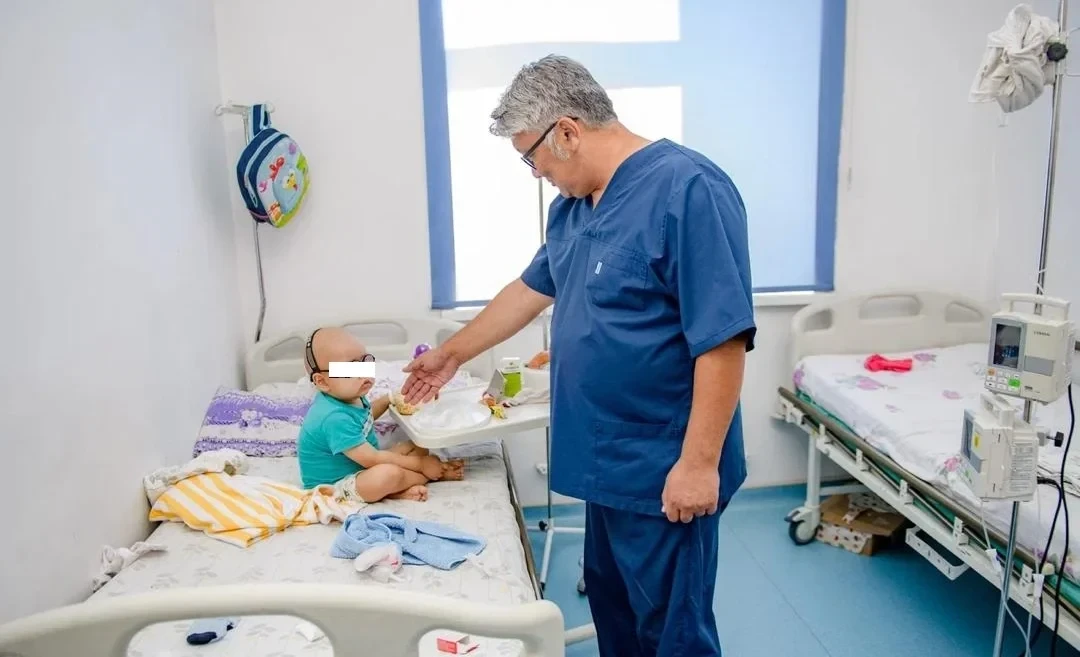
Currently, specialized departments of pediatric oncology and oncohematology operate in Bishkek and Osh. In 2024, the first autologous bone marrow transplant for a child will be performed in the country, which will be an important step in the development of high technologies in medicine. Work is also ongoing to expand the transplantation program, create a modern laboratory base, and implement innovative therapy methods.
Sultan Stambekov, head of the pediatric oncology department at the National Center for Oncology and Hematology, noted that in recent years the service has reached a new level of development. "Kyrgyzstan's participation in the WHO Global Initiative for Childhood Cancer allows us to implement international treatment standards and develop the system based on evidence-based medicine. Our goal is to gradually increase survival rates to the level of developed countries and ensure children's access to modern diagnostic and therapeutic methods, including bone marrow transplantation and cellular technologies," he added.
The conference also paid special attention to issues of early diagnosis, training of medical personnel, and expanding laboratory capabilities.
As a result of the conference, participants confirmed their readiness for further development of inter-agency cooperation, strengthening international collaboration, and implementing new projects aimed at increasing the survival rates of children with cancer and achieving strategic goals by 2030.