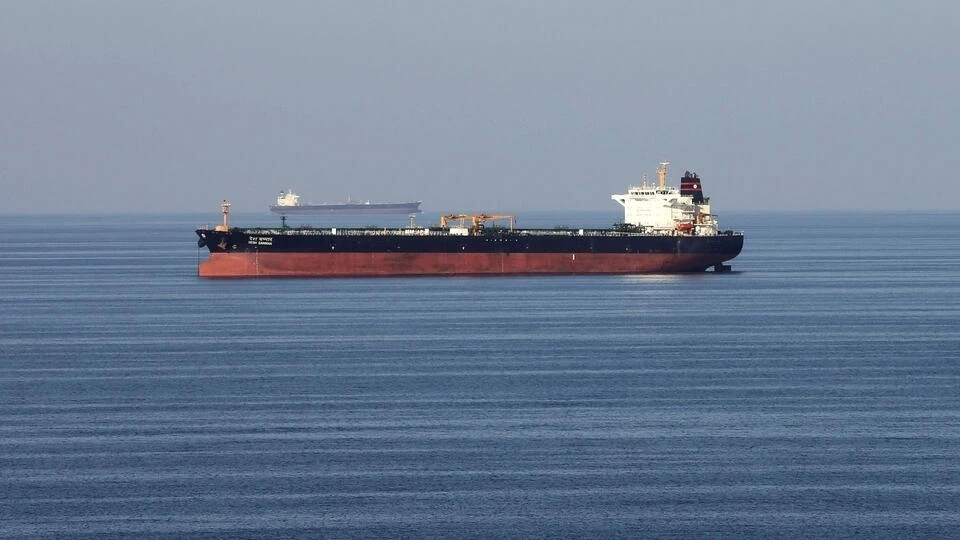
The critical situation in the Persian Gulf has arisen because nearly 150 tankers transporting oil and liquefied gas are forced to wait off the coast of Iran, unwilling to take risks and enter the escalation zone. According to Reuters, the vessels are trapped on both sides of a key maritime route due to security threats.
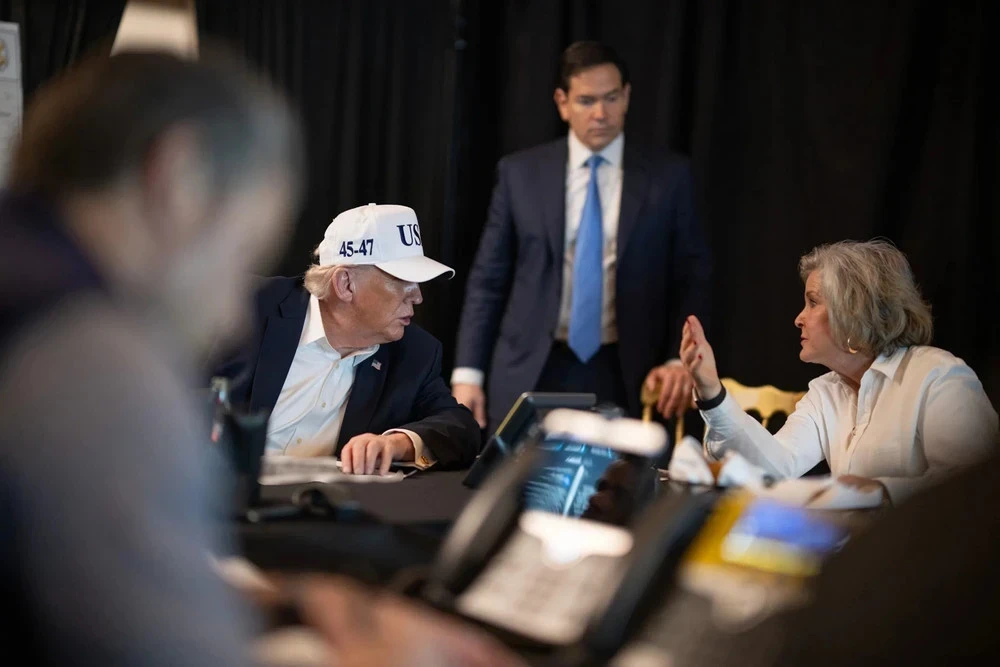
The escalation of the conflict in the region is a result of a series of large-scale attacks on Iranian territory, which Israel, according to statements by Defense Minister Israel Katz, has designated as preventive measures. In response, U.S. President Donald Trump announced a major military operation codenamed "Epic Fury," aimed at Iran's nuclear infrastructure. As a result of a joint attack by Israel and the U.S., Iran's Supreme Leader Ali Khamenei was killed, leading to a 40-day mourning period and a week of non-working days in the country.
With alarming news, Iran's Permanent Representative to the UN Amir Saeed Iravani reported an attack on a school in the city of Minab, where more than 100 children were killed as a result of shelling. In response, Tehran carried out massive drone and missile attacks on U.S. military bases in the Middle East. Explosions also affected neighboring countries such as the UAE, Qatar, Bahrain, and Kuwait. Earlier, Iranian forces attacked a tanker attempting to cross the Strait of Hormuz.
The international community expresses deep concern over the current situation. Russia's Permanent Representative to the UN Vasily Nebenzya pointed out that aggressive actions against Iran have already destabilized the region and could escalate into a global conflict. The blockade of the Strait of Hormuz and the halt of the tanker fleet create unprecedented risks for the global energy market.