The political scientist expressed his assumptions about the reasons for disagreements in the highest echelons of power in the country.
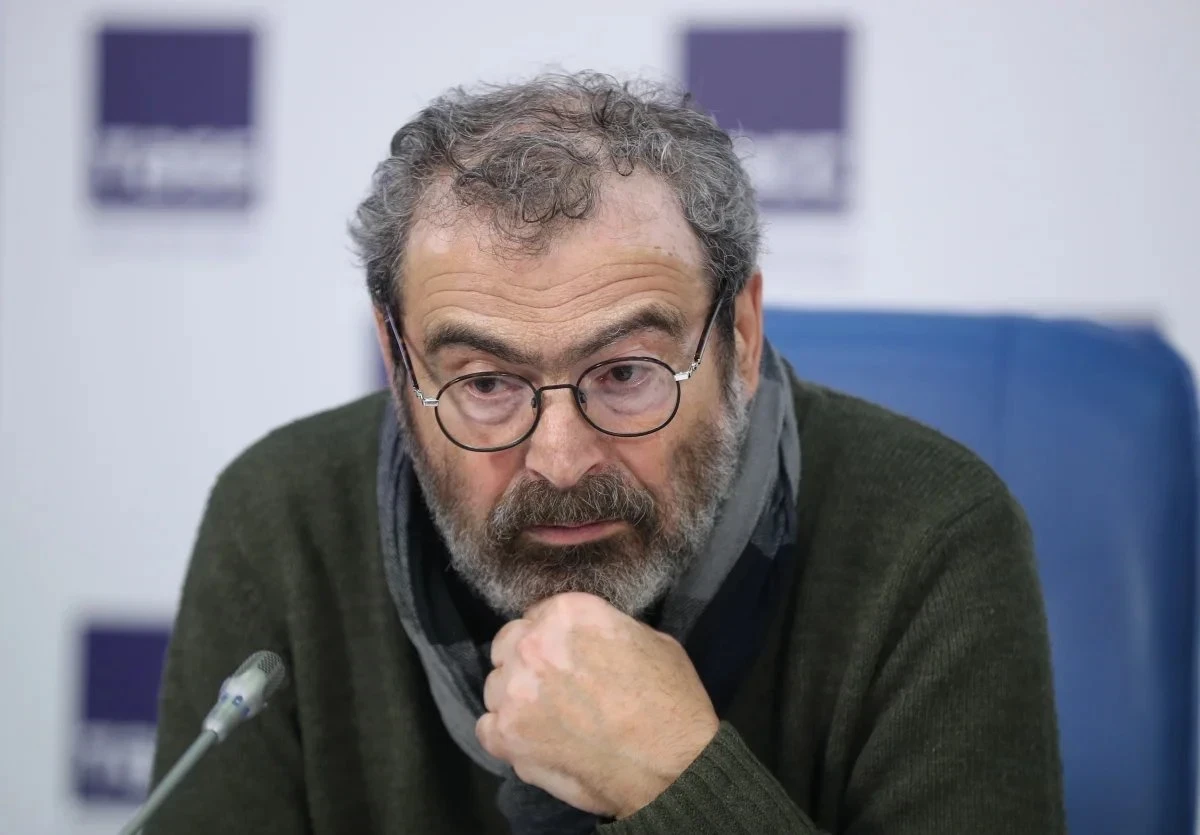
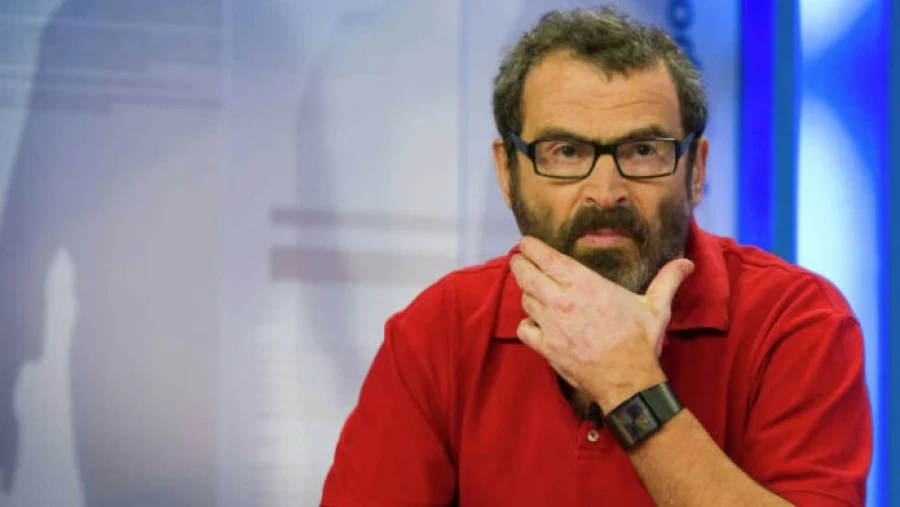
Political scientist Arkady Dubnov shared his opinion on structural changes in the State Committee for National Security (SCNS) and the resignations of its leadership on his social media, which, according to him, strengthen the position of President Sadyr Japarov. These events took place on Tuesday, February 10, in Kyrgyzstan.
On that day, President Japarov dismissed the head of the SCNS, Kamchybek Tashiev, which led to the resignation of three of his deputies. The Border Service was removed from the SCNS's jurisdiction, and based on the 9th service of the Committee, a State Security Service was created, which, similar to its counterpart in Russia, will be responsible for the safety of the country's top officials and report directly to the president. New deputies of the SCNS and heads of the Cybersecurity Center and the Anti-Terrorism Center were also appointed. Dubnov believes that the complete reorganization of state security in Kyrgyzstan should prevent attempts by Tashiev to regain his lost positions.
Interestingly, Tashiev learned of his dismissal while in a clinic in Munich, where he undergoes regular medical examinations following heart surgery he had several years ago.
According to Dubnov, one of the factors that may have led to Japarov's decision was an emotional phone call between them that took place shortly before the resignation.
The political scientist also mentioned the words of the president's press secretary, Askat Alagozov, who stated that the decision was made to prevent a split in society and strengthen unity among state structures.
Alagozov explained that the split in society was not caused by Tashiev himself, but rather by his entourage, which tried to influence deputies and other influential individuals. President Japarov noted that these people were pushing for actions that could create negative consequences for society and state structures.
It should be noted that the phrase "switch to the side of the general" can be perceived as a call to rebellion; however, as reported by one of Tashiev's close associates, Bekbolot Talgarbekov, it was a call for deputies to initiate new presidential elections. A document with such a request was signed by 75 individuals, including scholars, former prime ministers, and public figures. They expressed concern about the uncertainty in the legislation regarding the terms of the president's office, which could lead to instability that other political forces might exploit.
Disputes over the terms of the president's office, according to Talgarbekov, require resolution from the authorities, and elections should be scheduled for June-July.
The disagreements among associates likely led to Tashiev's resignation.
How will the former second-in-command in Kyrgyzstan behave now? Will he return from Germany and participate in the upcoming elections on January 24, 2027?
Meanwhile, Felix Kulov, former vice president and head of the SCNS, noted in an interview with Vesti.kg that Tashiev's future depends on his decisions. If he does not conflict with the authorities, then threats of arrest or persecution have no basis. It should be noted that none of the previous presidents of Kyrgyzstan, except for the interim president Roza Otunbayeva, left their positions voluntarily. The question of whether this trend will change remains open," concluded the political scientist.
Photo www