

Some analysts see no grounds for concern that Kyrgyzstan, Tajikistan, and Turkmenistan may fall under China's influence due to the U.S. ignoring their interests.
Below are the opinions of political experts on this issue. Details from 24.kg.
Dosym Satpaev, Director of the "Risk Assessment Group," Political Scientist:
Photo from the internet. Dosym Satpaev
— The visit of high-profile American delegates to Central Asia and the "C5+1" summit in Washington last year clearly outlined the White House's priorities: Kazakhstan and Uzbekistan are in the foreground.
The invitation of these countries to the "Council of Peace" is not the only sign of their importance. Donald Trump also invited their leaders to the G20 summit in Miami, which further emphasizes the U.S. interest in their political and economic ties.
However, the absence of Kyrgyzstan and Tajikistan should not be seen as a complete disregard. The American president does not always have a clear understanding of geographical issues, and his team makes decisions based on U.S. economic interests. Their main competitor is China, and Central Asia is viewed as a resource and logistics region.
I do not believe this threatens the region's subjectivity if the countries work together. Alone, they become vulnerable. Regular meetings of the heads of state of Central Asia and active resolution of border issues show that they are learning to act together.
Dosym Satpaev
The "Council of Peace" symbolizes more than it creates a threat and emphasizes the importance of a unified voice for the region.
Arkadiy Dubnov, Central Asia Expert:
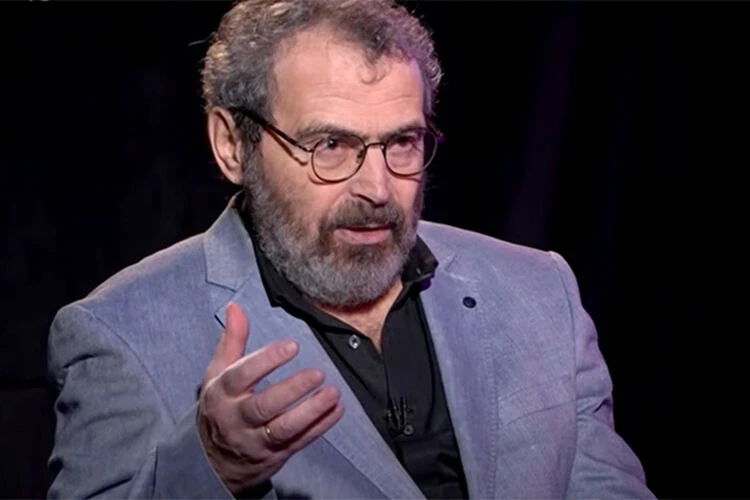
— Since the conditions for membership in the "Council of Peace" are still unclear, it is premature to draw conclusions.
Kyrgyzstan and Tajikistan did not receive invitations, partly due to the lack of strong lobbying in Washington and their low investment attractiveness at the moment. The U.S. prefers to work with those who are ready to invest in projects.
Arkadiy Dubnov
The idea of jointly including the "smaller countries" seems premature, as it is unclear what may happen with this initiative under Donald Trump's leadership.
It is important to realize that such projects have little influence on the formation of Central Asian identity. History and internal cooperation define the region's subjectivity, while external invitations merely highlight the symbolic status of individual states.
Rustam Azizi, International Security Expert:
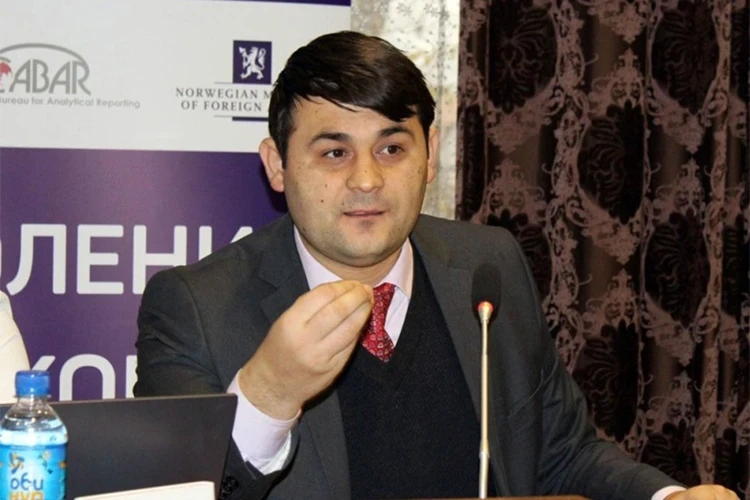
— The perception of Central Asia as a unified integration space largely remains conceptual, but in practice, there is no agreed position on important issues.
Kazakhstan and Uzbekistan were invited not based on regional representation but on political, economic, and status factors. Their participation symbolizes their aspiration for mid-level positions in the region and opportunities for major deals.
The absence of Kyrgyzstan and Tajikistan does not undermine their subjectivity. The practical benefits of participating in the "Council of Peace" for these countries remain minimal.
From China's perspective, this initiative does not change the existing balance. Beijing continues to be a key economic partner, and limited U.S. participation will not lead to a sharp change in orientation.
Sherali Rizayon, Political Scientist:
— The invitation of Kazakhstan and Uzbekistan rather emphasizes their subjectivity in the region and the positive perception of their role on the international stage.
The strengthening of the positions of neighbors will undoubtedly have a favorable effect on all of Central Asia and help minimize potential threats.
As for Kyrgyzstan and Tajikistan, the absence of an invitation will not affect their relations with China. Participation or non-participation in the "Council of Peace" will not change their multilateral cooperation with Beijing.
Anuar Bakhtizhanov, Political Scientist:
— Selective invitations do not undermine regional integration but create a risk of individualizing channels of interaction with the U.S. If countries are viewed as separate partners, this will strengthen the approach of "working with leaders" rather than with the region as a whole.
With the right positioning of Kazakhstan and Uzbekistan, this platform can be used to promote regional issues on security, transit, water resources, and the situation in Afghanistan.
Anuar Bakhtizhanov
If the regional agenda is not clearly formulated, Kyrgyzstan and Tajikistan may find themselves in constrained conditions and increase their economic and infrastructural dependence on China.
Emil Juraev, Expert:

— The "Council of Peace" is a controversial initiative, and not many states have confirmed their participation. However, this is not critical for Central Asia. We are at the initial stage of regional cooperation, and the absence of this invitation should not be perceived as a problem.
Relations with China do not depend on participation in the "Council of Peace," as Beijing's economic influence is already significant.
Farhad Mamedov, Director of the South Caucasus Research Center (Azerbaijan):
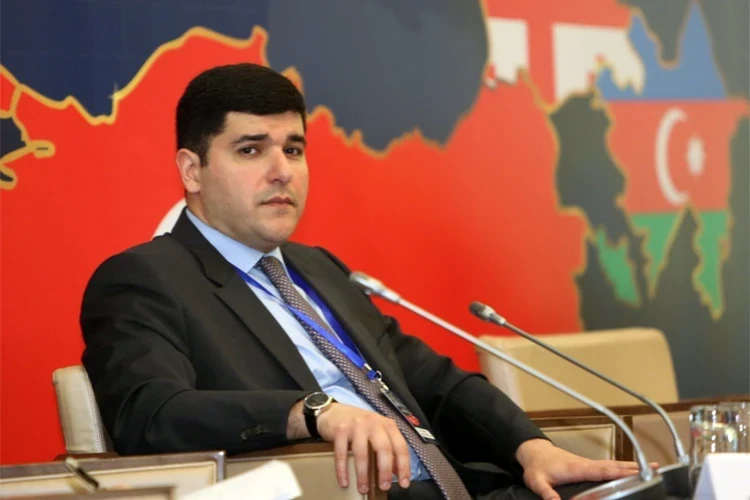
— The "Council of Peace" and the Organization of Turkic States (OTS) are different platforms.
The OTS is an institutionalized structure with a clear agenda covering a specific region. The "Council of Peace" is a Trump initiative with unproven effectiveness and potential international consequences.
The establishment of this council does not limit the foreign policy freedom of Central Asian countries and can be seen as an additional platform, but not as an alternative to existing regional formats.
Temur Umarov, Researcher at the Carnegie Center in Berlin:

— I do not see significant influence on regional processes. This is a unique event that reflects Trump's personal and commercial relationships with the leaders of Kazakhstan and Uzbekistan.
This does not threaten the regional identity, the subjectivity of Central Asia, and the foreign policy balance of the countries that did not receive invitations.
P.S. The selective invitation of Tashkent and Astana to Trump's "Council of Peace" creates a symbolic and political imbalance but does not undermine regional subjectivity.
Experts emphasize: the key to maintaining Central Asia's influence is internal cooperation, a coordinated regional agenda, and the ability to unite around common interests.
The initiative of the current U.S. president is based on pragmatic economic interests and aims to highlight the status of individual countries as well as their relationship with Washington. However, it also underscores the need for joint actions within the region. The risk of fragmentation in the absence of a coordinated position remains, but at the same time, Kazakhstan and Uzbekistan can take functional leadership for the benefit of all of Central Asia.


