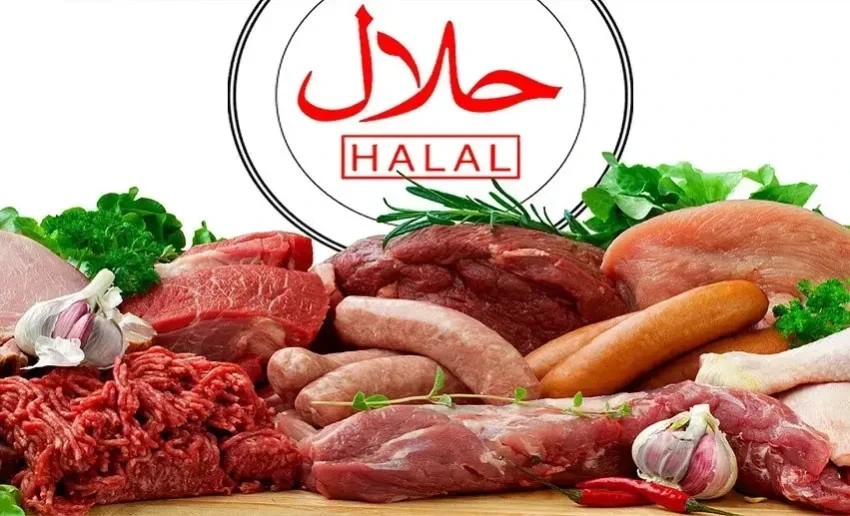
According to the proposed draft law, responsibility will be established for the production of halal products and the provision of halal services without the appropriate certificates. Sanctions are also provided for certification bodies for non-compliance with conformity assessment rules.
In addition, the Ministry is actively working on improving the halal certification system, including the digitization of the certificate issuance process and the implementation of more transparent methods for controlling production and labeling of products.
As noted by the Ministry of Economy, these measures are aimed at protecting consumer rights and strengthening trust in halal products in the country. The agency pointed out that previously recorded violations, such as the presence of pork DNA in products from some manufacturers, were eliminated after reviewing production processes and conducting repeated laboratory analyses.
It is worth noting that the Deputy Minister of Economy of the Kyrgyz Republic, Sultan Akhmatov, previously reported that the license of one sausage producer was revoked due to discrepancies in accreditation.
However, the company itself denied this information, stating that it is not true.
"At the moment, we have valid halal certificates issued by authorized bodies, and the production processes comply with halal standards and undergo regular inspections," the company's official statement said.
It was also emphasized that the company's activities do not require licensing in accordance with the Law of the Kyrgyz Republic "On Licensing Activities". Its main type of work is "the production and sale of sausage products and meat products," and it is carried out in strict accordance with current regulations.