According to one of the co-authors of the draft law, Deputy Adilet Belekov, the main task is to create legal mechanisms that will encourage car owners to use functioning catalytic converters.
The following changes are proposed:
1. Definition of "catalytic converter"
The draft law includes a definition of the concept of a catalytic converter, which is an element of the exhaust system designed to reduce the toxicity of exhaust gases.
2. The necessity of having and maintaining a functioning catalytic converter
Vehicles that are designed to have a catalytic converter or a similar system for reducing toxicity will be required to have such systems and keep them in working condition. The operation of a vehicle without a functioning catalytic converter will be prohibited.
3. Mandatory technical inspection for all vehicles
Unlike existing regulations that require technical inspections only for certain categories of vehicles, the proposed draft law provides for mandatory technical inspections for all vehicles permitted to participate in road traffic, except for electric vehicles and hydrogen fuel cell cars. Compliance with environmental requirements will become a mandatory part of the technical inspection, including a visual check for the presence of a catalytic converter or particulate filter and instrumental control of harmful substances in exhaust gases.
A positive conclusion from the technical inspection will confirm compliance with environmental standards.
4. Prohibition on registration without an environmental conclusion
Registration and re-registration of vehicles will not be possible without a valid positive conclusion from the technical inspection confirming compliance with environmental criteria.
5. Responsibility for violations
The draft law provides for the introduction of the following fines:
- 400 calculation indicators (40,000 soms) for issuing a false positive conclusion regarding compliance with environmental requirements, with the confiscation of the diagnostic center's license;
- 300 calculation indicators (30,000 soms) for services related to the removal, blocking, or imitation of the operation of a catalytic converter or particulate filter, with the confiscation of the corresponding equipment.
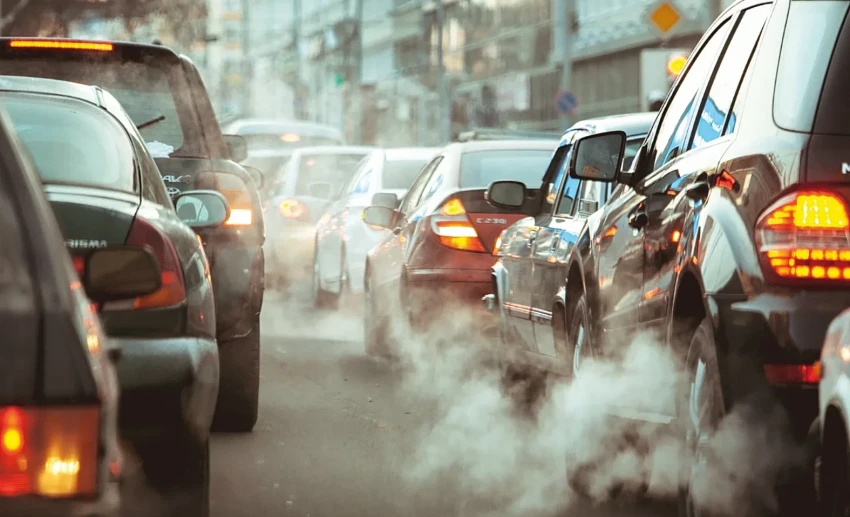
The document emphasizes that air pollution poses a serious threat to the health of citizens. In 2021, Bishkek was among the most polluted cities in the world, and a significant portion of emissions comes from motor vehicles. The removal of catalytic converters leads to an increase in harmful emissions and fuel consumption, which also raises costs for its import. Kyrgyzstan, as a participant in the Paris Agreement, has obligations to reduce greenhouse gas emissions, the authors of the initiative explain.
They are confident that the proposed measures will help reduce air pollution levels, decrease health risks for the population, create a system for accounting and disposing of used catalytic converters, and prevent the illegal removal of exhaust gas cleaning systems.
The main authors of the draft law are deputies of the Jogorku Kenesh Marlen Mamataliyev, Medina Kairylbekova, and Adilet Belekov.