
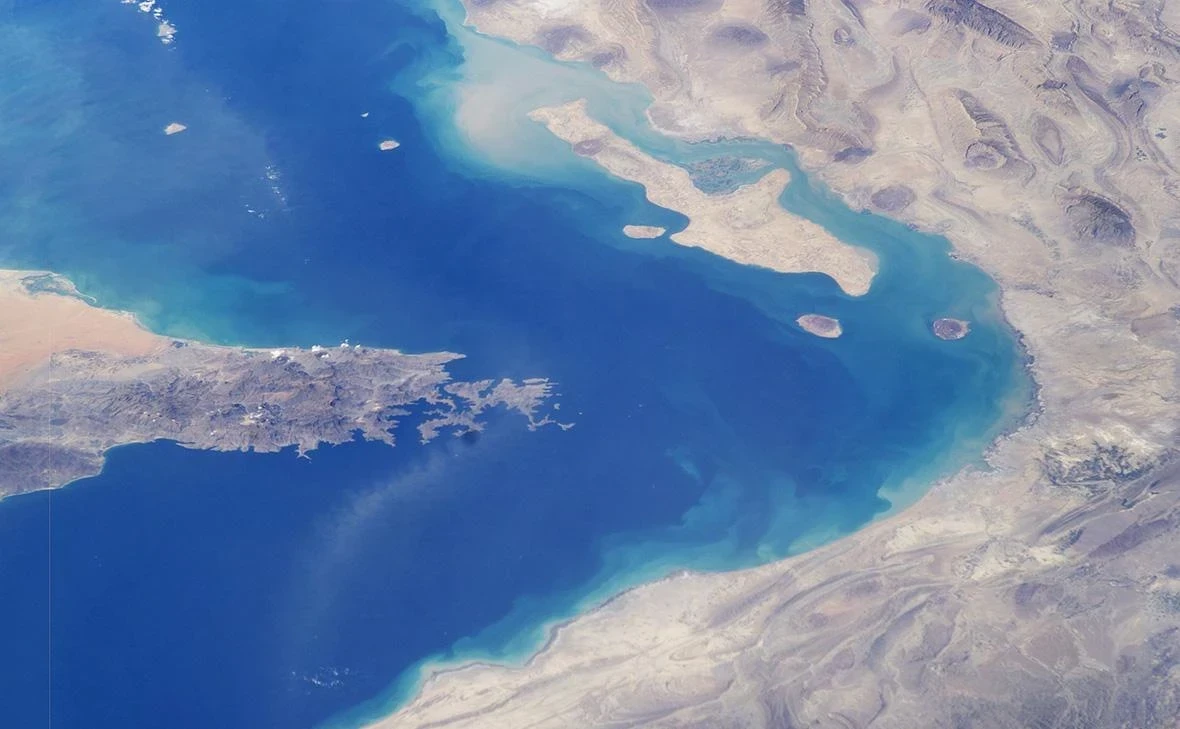
A representative of the Iranian Central Command stated: “If the US carries out its threats against our power plants, we will immediately close the Strait of Hormuz, and it will remain closed until the damaged facilities are restored. We will also strike all energy and information systems of the Zionist regime.” This statement underscores Tehran's resolve in response to the threats.
The closure of the Strait of Hormuz occurred against the backdrop of the conflict between the US and Israel. This corridor previously accounted for up to 20% of the world's maritime oil exports, and its blockade leads to a continuous rise in oil prices.
Moreover, the Strait of Hormuz was important for global fertilizer trade, providing about one-third of all maritime supplies. The UN warns that disruptions in fertilizer supplies could lead to food shortages and increased prices in several regions.
Since the beginning of the conflict, prices for various types of fertilizers in the markets have already increased by 10-30%.
Important events are also unfolding in Saudi Arabia, where authorities declared five employees of the Iranian embassy in Riyadh persona non grata, including the military attaché. They have been ordered to leave the country within 24 hours, according to the Ministry of Foreign Affairs of the Kingdom. This decision is another step in escalating tensions.
The commander of the Iranian police, Ahmad-Reza Radan, offered assistance to the European Union in protecting Greenland from possible threats from Trump, stating: “If you cannot protect your Greenland, we are ready to come and help.” This statement underscores Iran's confidence in its strength.
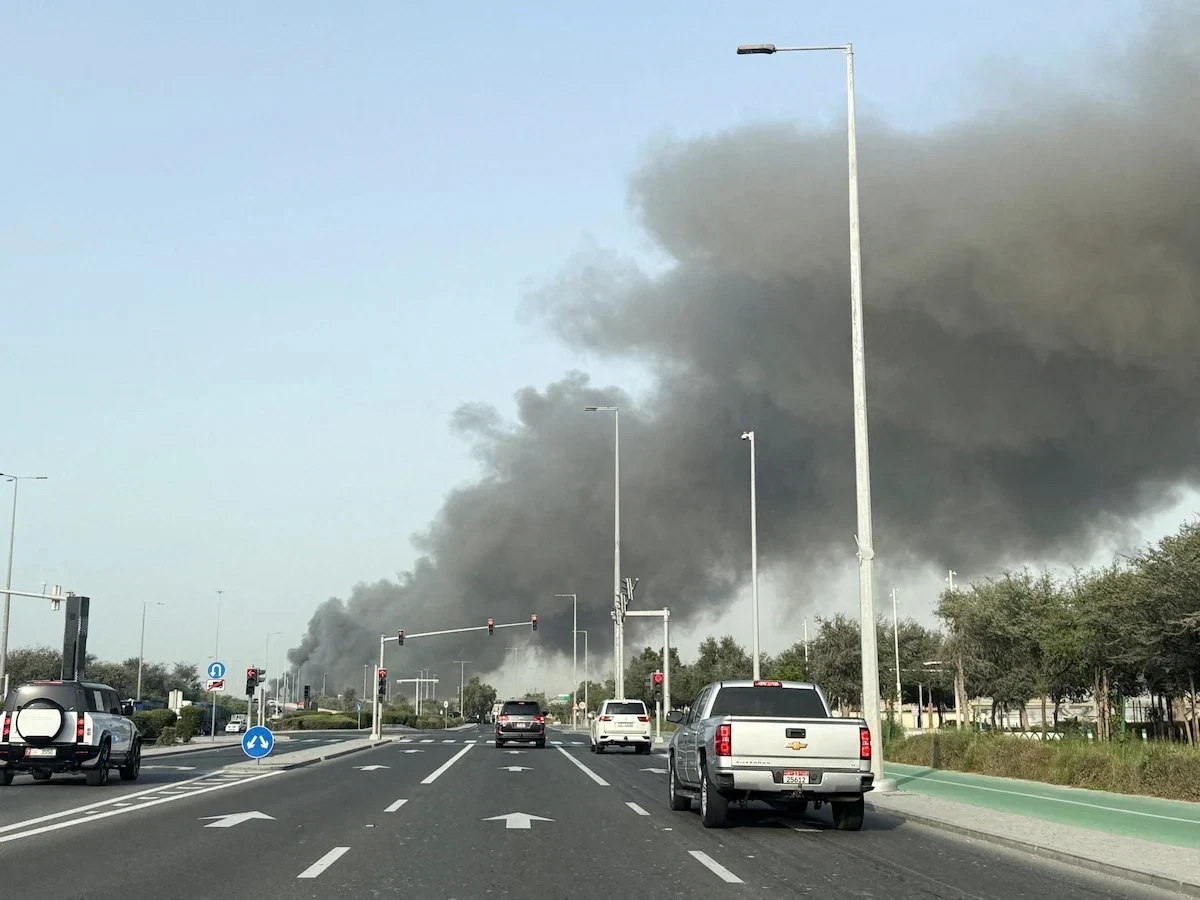
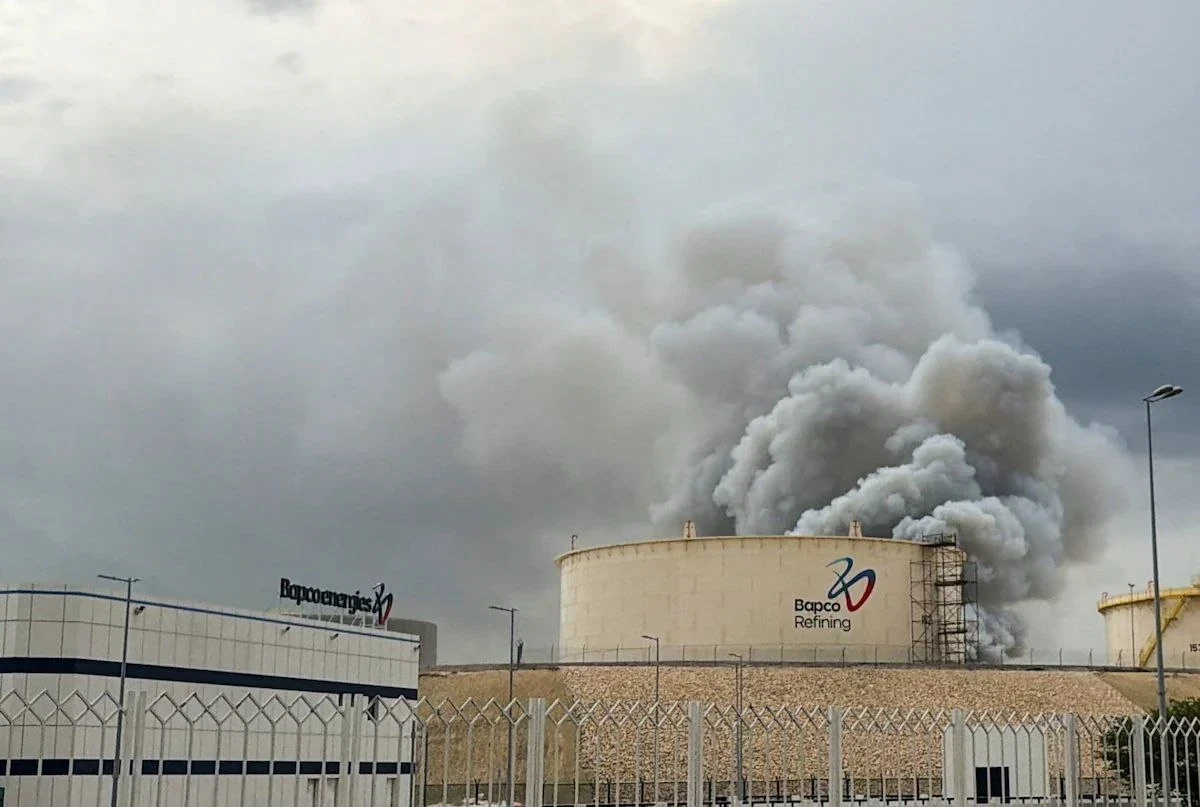
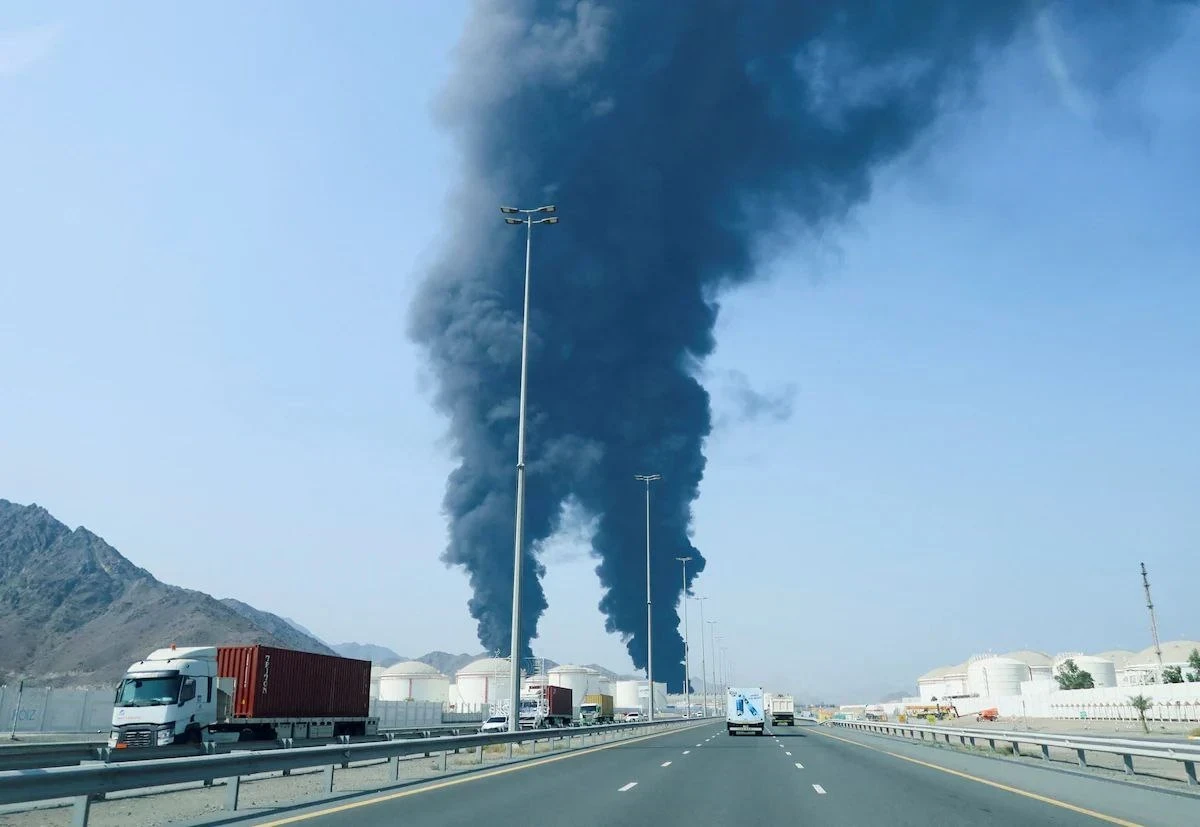
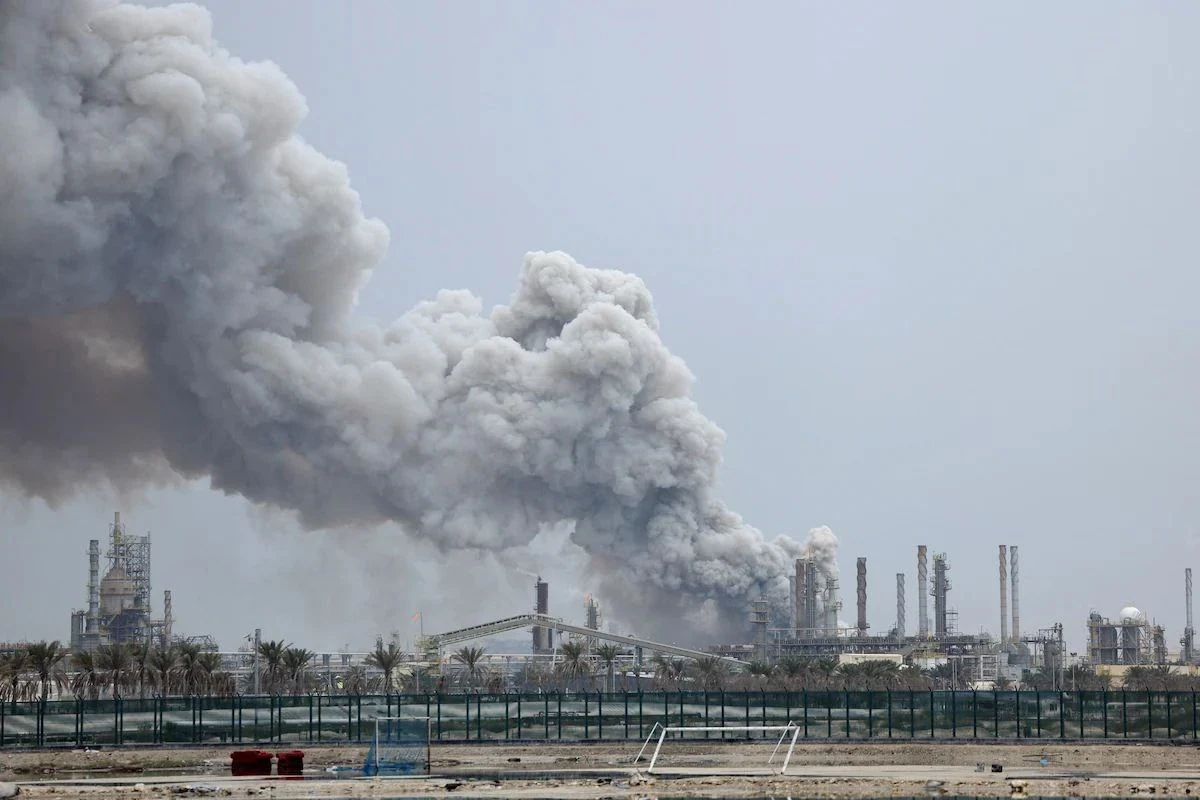
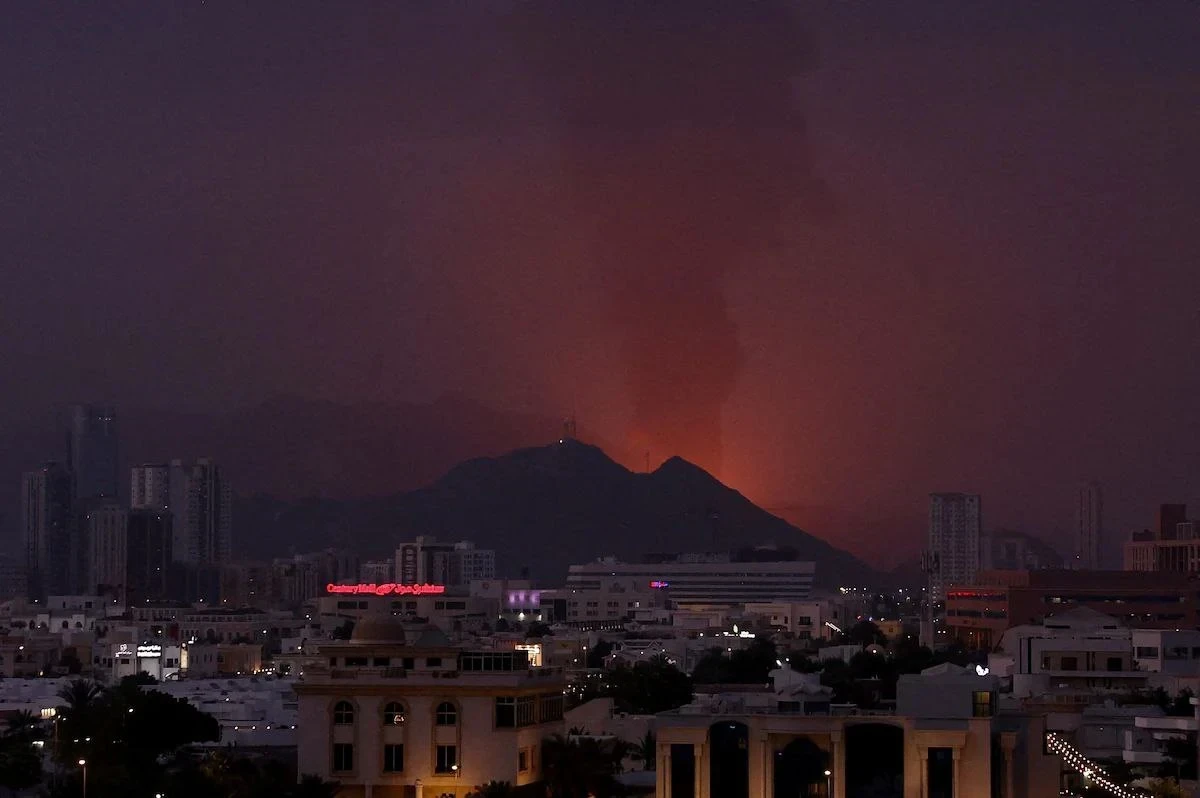
According to information from The New York Times, during the conflict, at least 39 oil refineries and oil and gas fields in nine Middle Eastern countries sustained serious damage.
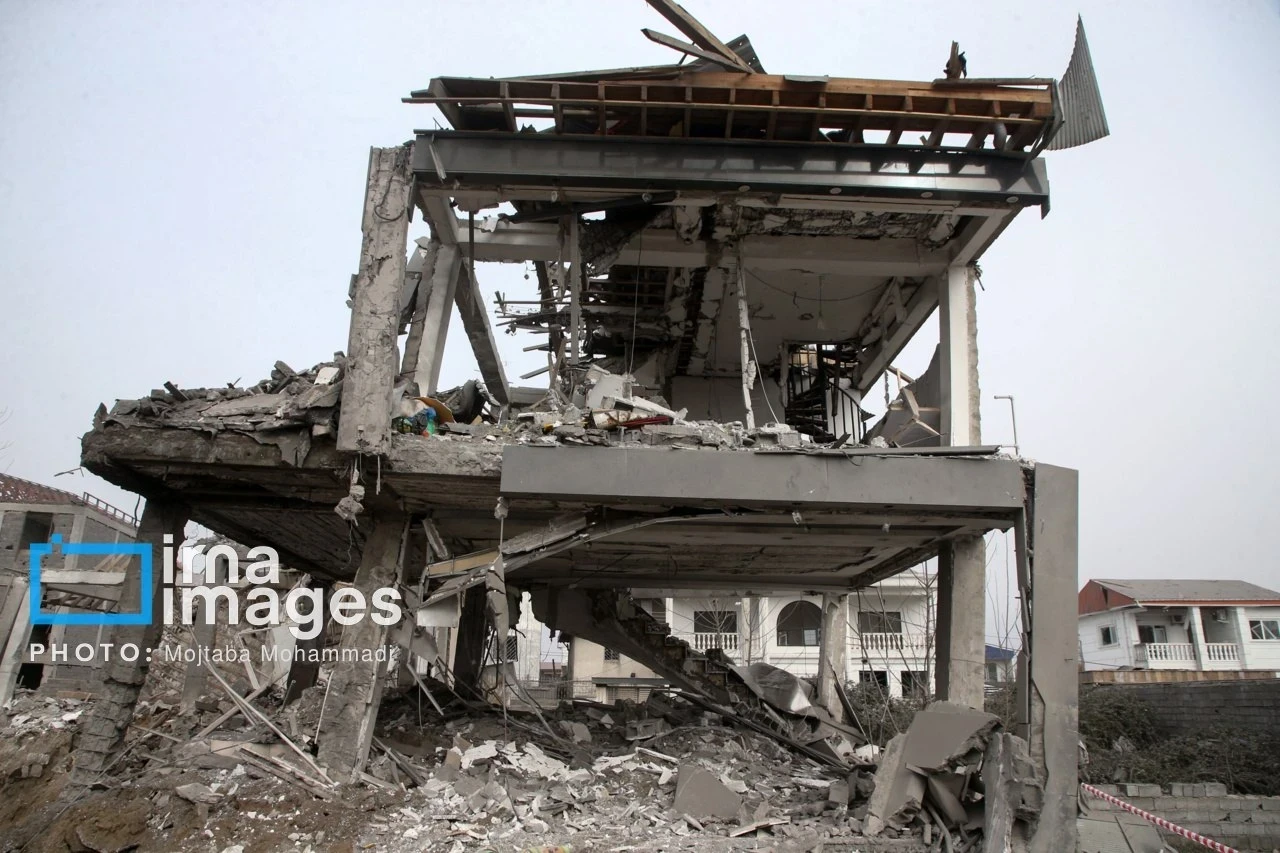
Israel, as part of operations against Hezbollah, destroyed one of the key bridges in southern Lebanon, which connected the city of Tyre with the rest of the country.
As a result of the war between the US and Israel, there has been a noticeable increase in prices for various goods in Iran, including:
- natural gas in the EU: +85 percent;
- fuel oil: +80 percent;
- Brent crude oil: +54 percent;
- WTI crude oil: +46 percent;
- gasoline: +44 percent;
- diesel fuel: +42 percent;
- sulfur: +25 percent;
- coal: +24 percent;
- fertilizers: +23 percent.
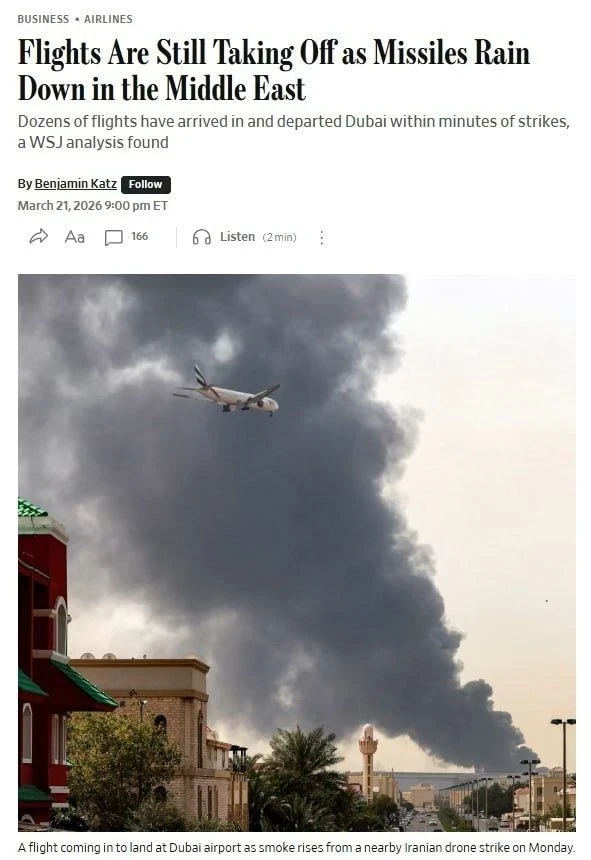
During the conflict, Iranian drones attacked Emirates A380 and Saudia A321 aircraft located at Dubai International Airport. Previously, Israel had bombed Iranian airports. Reports indicate that at least five parked aircraft were damaged, including the two mentioned above. This was part of broader attacks.
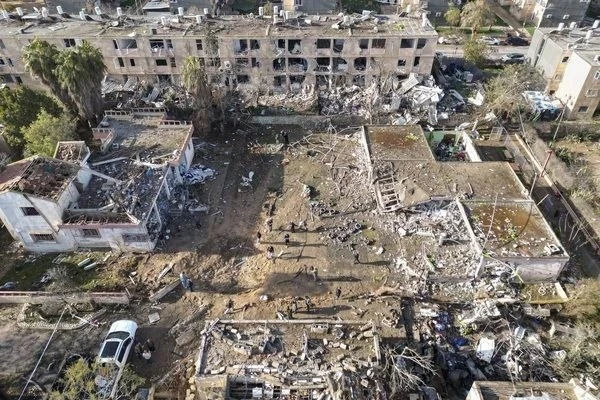
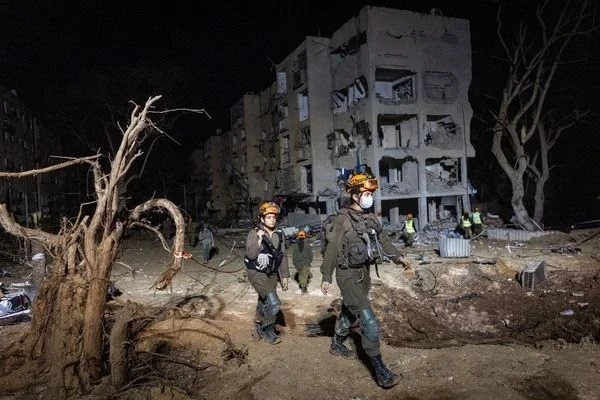
Iran used new missiles capable of circumventing Patriot air defense systems, according to the Financial Times. In particular, the attacks on the QatarEnergy complex in Ras Laffan included maneuverable missiles, which raises doubts about the effectiveness of American systems.
According to US Central Command, Iran did not shoot down any American fighter jets, despite rumors of downed F-15s. “Iran was unable to shoot down any of the more than 8,000 combat sorties by US forces,” the command stated. This indicates a high level of tension and ongoing military actions in the region.


