What is the threat to Central Asian countries in light of the current destabilization of the region?
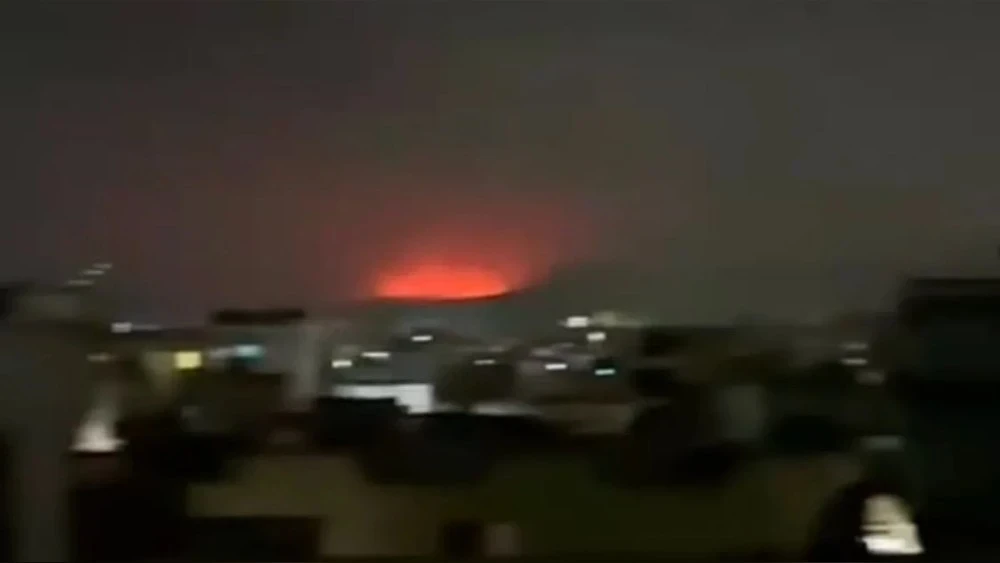
On the night of Friday, February 27, Pakistan carried out airstrikes on several Afghan cities, including the capital – Kabul. According to DW, Pakistan's Defense Minister Khawaja Asif stated on social media platform X that the months-long armed clashes between the two countries have reached a new stage, escalating into an "open war."
Attaullah Tarar, Pakistan's Information Minister, also confirmed on X that the strikes targeted locations in Kabul as well as in the provinces of Kandahar and Paktia. "Our armed forces are capable of destroying any aggressive intentions," added Pakistan's Prime Minister Shehbaz Sharif, emphasizing the nation's unity with the army.
Last week, Pakistan had already conducted strikes, resulting in claims by the Taliban that at least 18 people were killed, including women and children. Islamabad justifies its actions as a necessary response to recent terrorist attacks on its territory, which were initiated by militants operating from camps across the border.
On February 26, the Taliban announced a "large-scale offensive" on border posts and reported significant casualties among Pakistani soldiers. Pakistani authorities have only confirmed the deaths of two soldiers so far.
Recent months have seen a deterioration in relations between the Taliban government and Pakistan. Islamabad accuses Kabul of inaction regarding terrorist groups carrying out attacks on Pakistani territory, while the Taliban deny these accusations.
Conflict between the two countries
In the autumn of 2025, Islamabad demanded that Kabul take measures against the "Tehrik-i-Taliban Pakistan" (TTP) – a Pakistani Islamist group closely linked to the Afghan Taliban. In October, two explosions occurred in Kabul, for which the Taliban blamed Islamabad. This led to return fire from Afghan forces on Pakistani soldiers at the border, resulting in retaliatory strikes from Pakistan using heavy artillery and air power.
As a result of these clashes, the Taliban reported the deaths of nine Afghan and 58 Pakistani soldiers, as well as the temporary capture of 20 border posts. Pakistani media reported 23 dead soldiers and over 200 "Taliban and associated terrorists," along with the capture of 19 Afghan posts.
Conflicts continued until the end of October 2025, when a ceasefire agreement was reached with the mediation of Qatar and Turkey; however, peace negotiations did not lead to a final agreement.
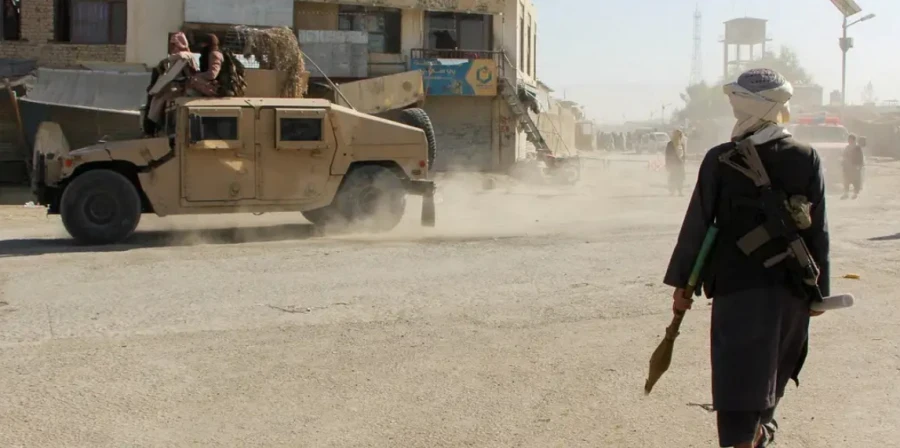
The transition of the conflict into open military confrontation poses serious risks for both Pakistan and Afghanistan, as well as for Central Asian countries. Experts and political analysts warn that the rising extremism and terrorism, regional destabilization, and "security vacuum" could lead to new challenges.
Key threats include: an increase in terrorist acts, political instability on northern borders, and risks to major economic projects such as the China-Kyrgyzstan-Uzbekistan railway, the TAPI gas pipeline, and the CASA-1000 project, which could trigger a new wave of refugees.
Photo www