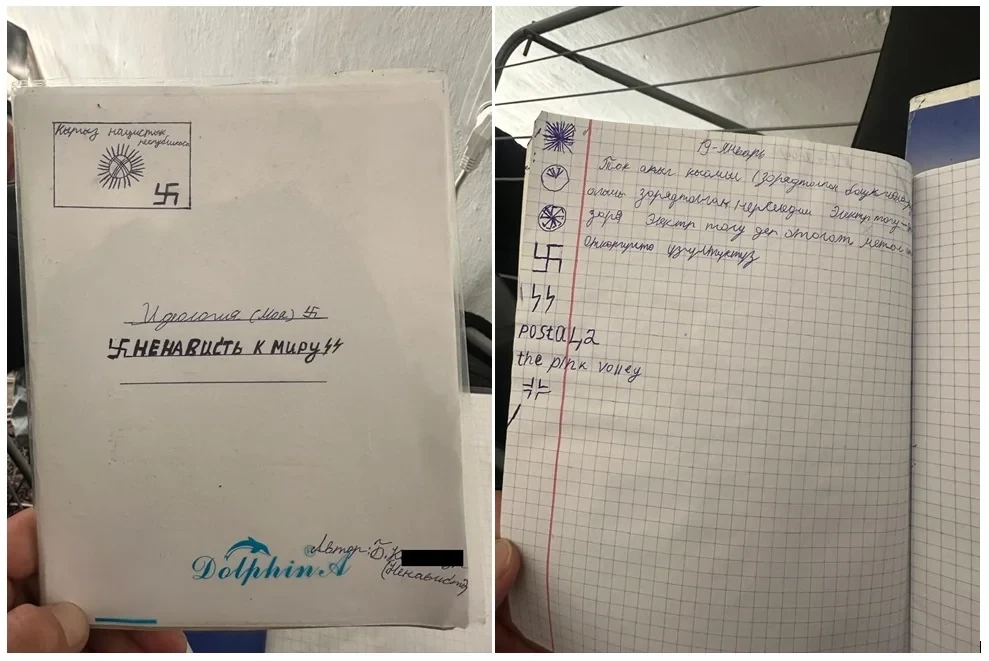
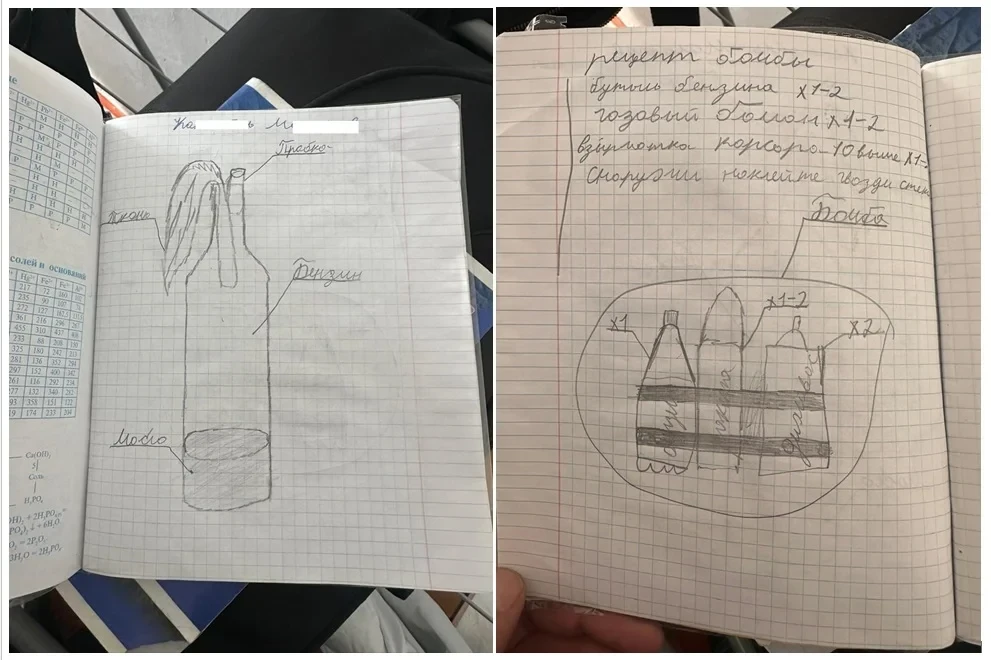
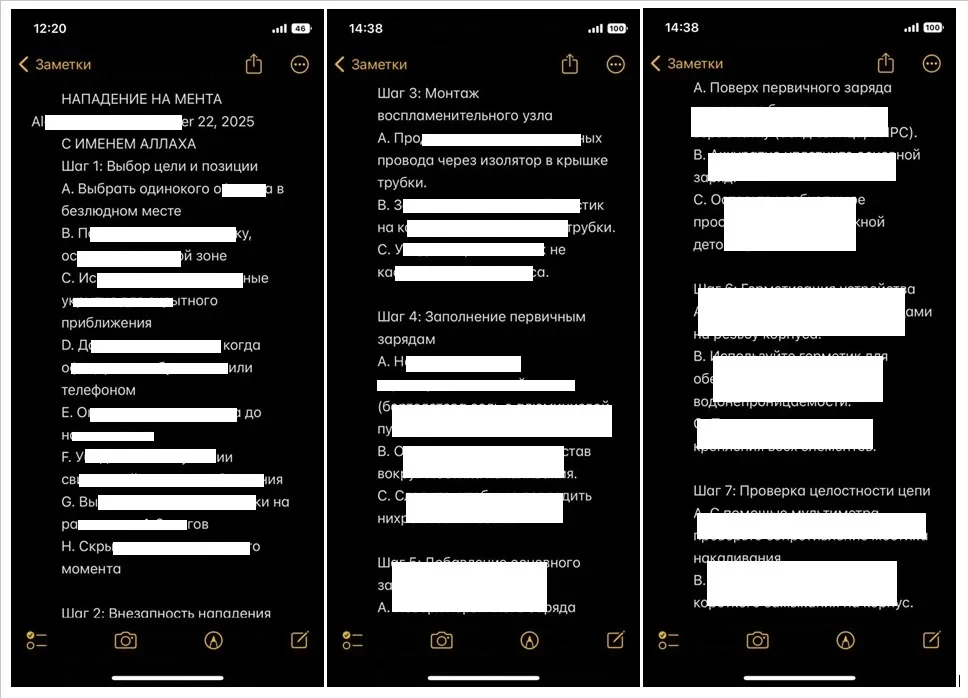
Currently, the internet is an important part of youth life.
According to the GKNB, this environment provides many opportunities for learning and communication, but it also opens doors to radical ideas and extremist groups seeking to involve teenagers in dangerous ideologies, including terrorism.
The process of remote radicalization is a technique through which teenagers are persuaded in social networks and messengers to adopt views that justify violence and offenses. This can cause serious changes in their perception of the world.
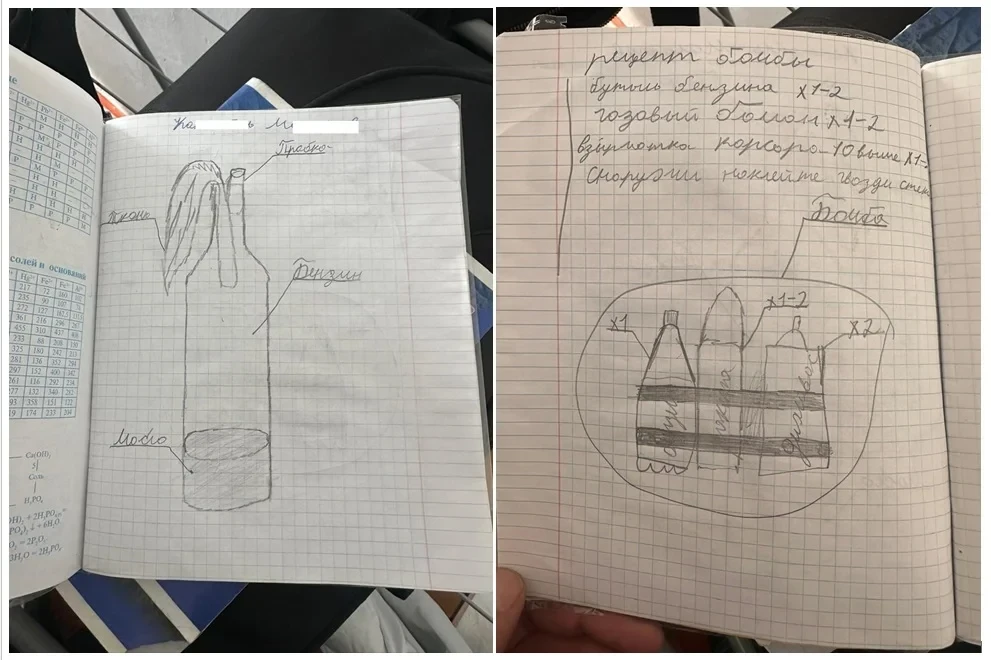
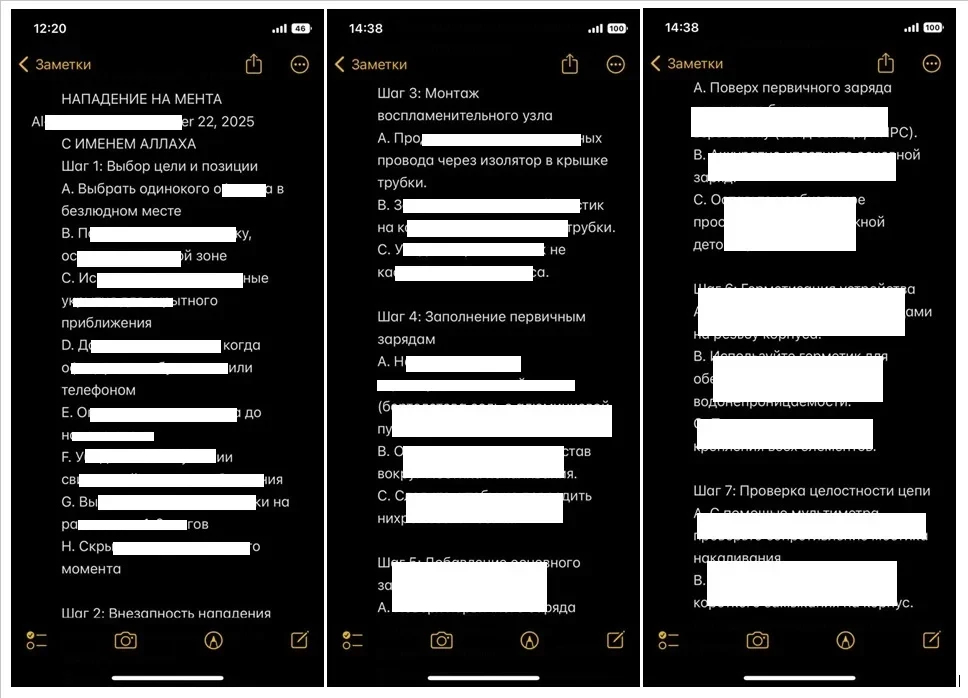
Some young people learn online how to create homemade explosive devices and may become targets of calls to attack law enforcement agencies. Such actions in the Kyrgyz Republic are considered serious crimes and can lead to criminal liability.
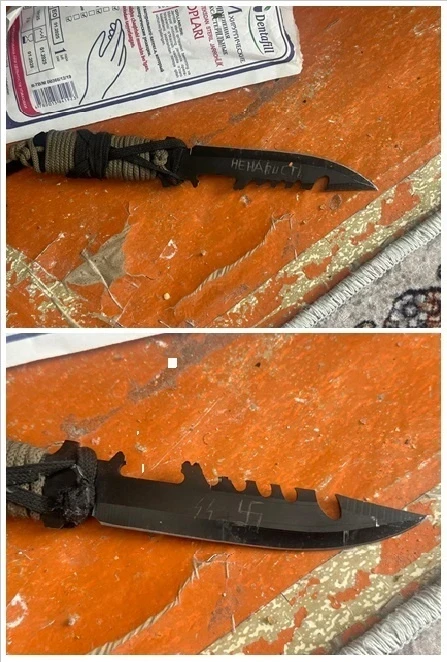
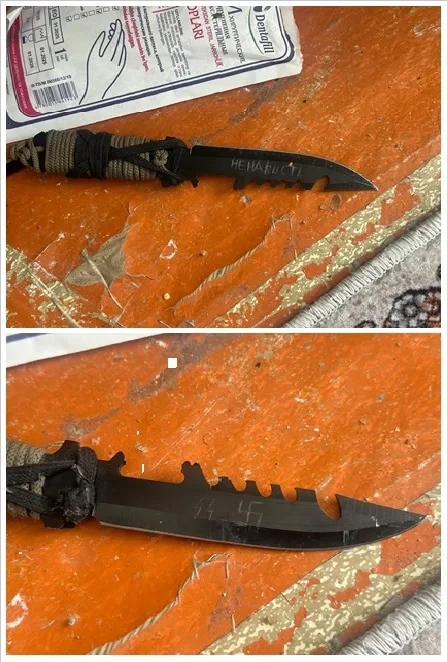
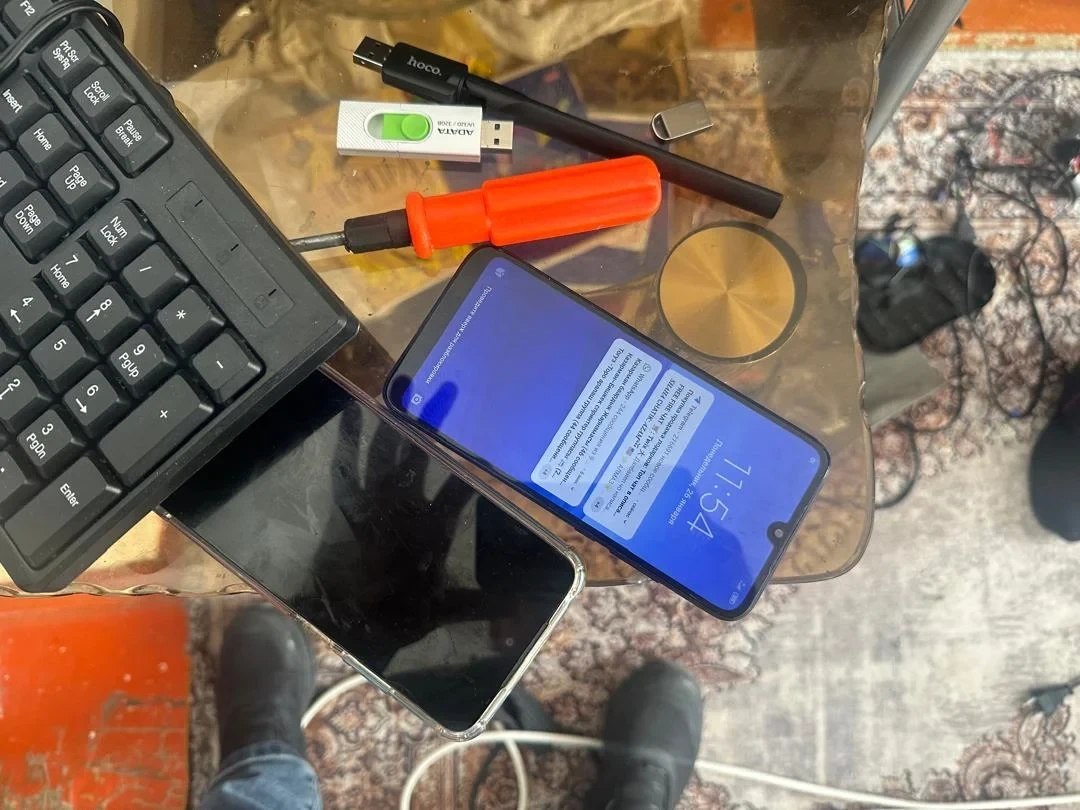
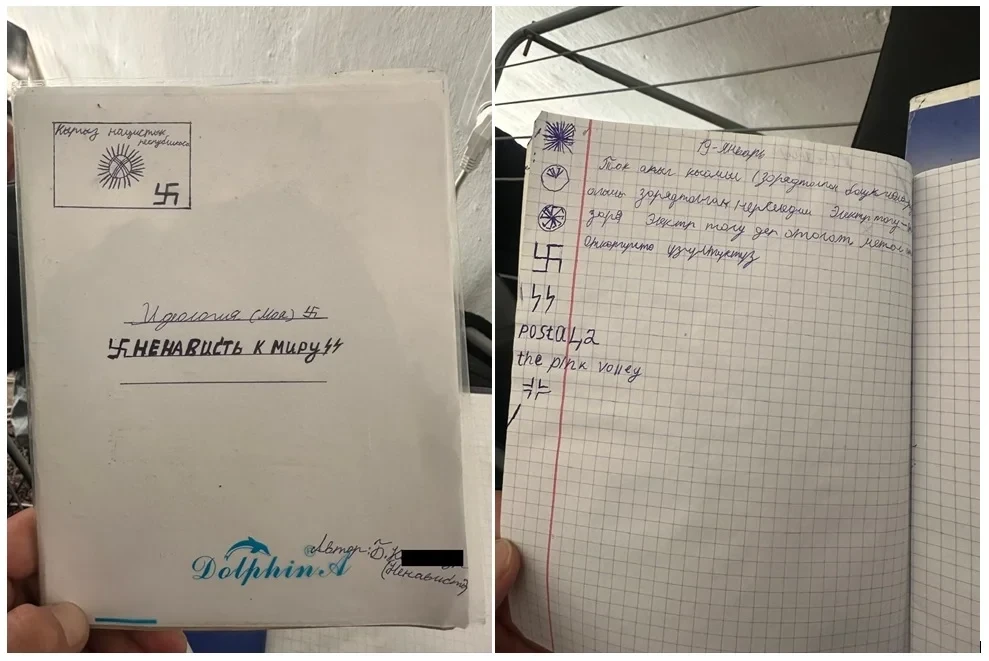
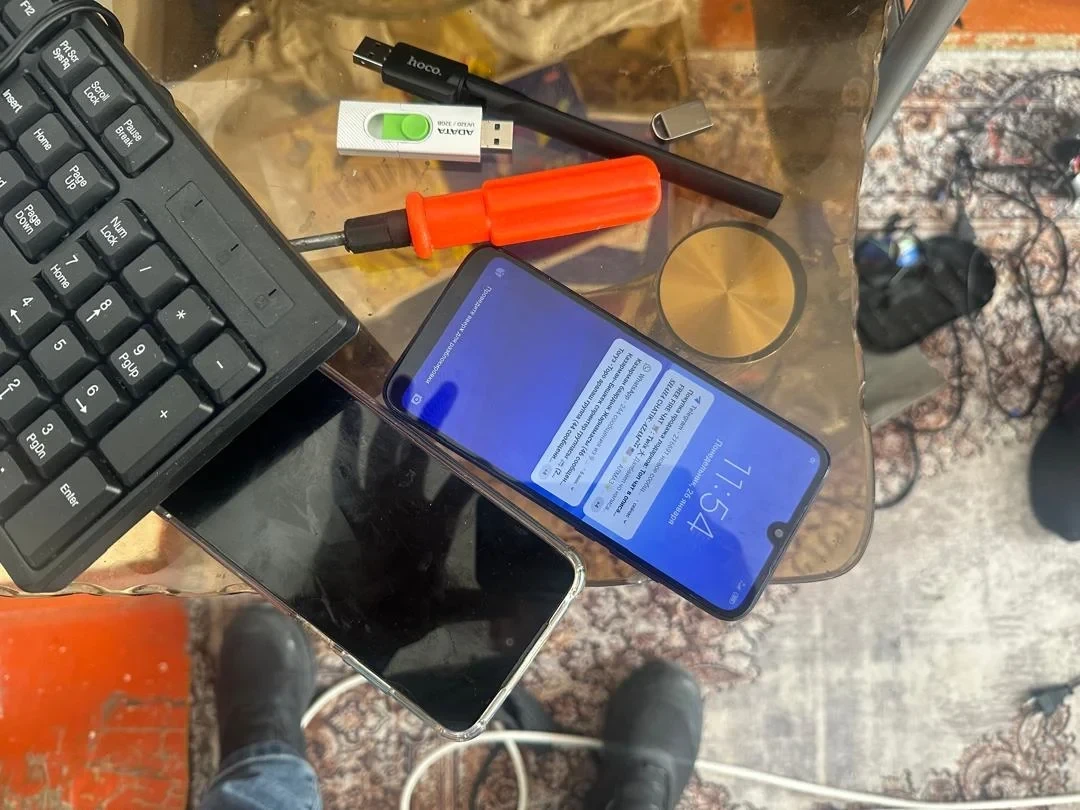
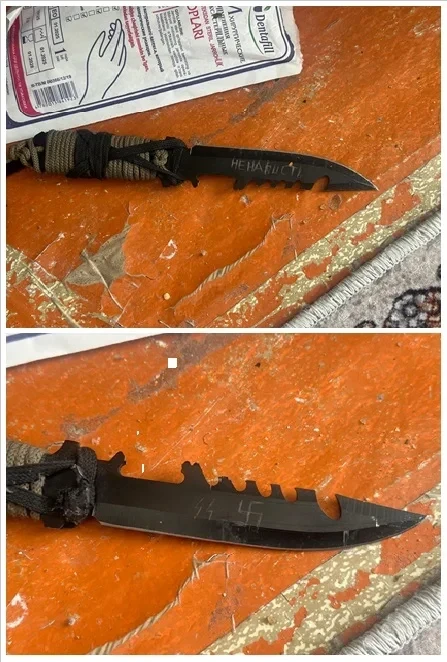
In the past six months, the GKNB has recorded several cases of radicalization among teenagers, where they became victims of recruitment by terrorist groups via the internet. In some cases, young people were detained at the stage of preparing a terrorist act, studying instructions for making explosive devices, while in others — during their creation.
These facts can seriously undermine societal stability and pose a threat to national security. Often, such processes occur unnoticed — through friendly conversations and manipulations.
The influence of such groups can have a destructive effect on the teenager themselves, depriving them of a connection to reality and jeopardizing their future.
It is extremely important to maintain an open dialogue with teenagers, paying attention to their interests and monitoring their online space to notice alarming signals in time. If you notice sharp changes in their behavior, isolation, or expressions of aggressive views, do not remain indifferent.
Parents should be attentive to the following changes:
- increased interest in computer games;
- sharp changes in behavior and withdrawal;
- distancing from family and friends;
- expressions of aggressive or radical views;
- hidden communications with unfamiliar people online;
- interest in dubious websites and closed groups;
- aggression towards parents and loved ones;
- justification of violence or illegal actions.
Upon noticing such signs, it is important not to stay on the sidelines. Such threats can affect anyone, and no parent is immune to this. Attention should be paid to the online activity of your children and maintain open communication with them.
Ensuring a safe internet space is everyone's responsibility. Support from family, educational institutions, and society as a whole will help protect children from dangerous influences and preserve their future. The safety of children is a collective task that requires joint efforts from all.
Radicalization is a path to destruction. Take care of yourself, your loved ones, and our society. Do not remain indifferent; protecting children is a crucial task for everyone. Tomorrow may be too late, and every moment lost increases the risks that threaten not only us but also the future.