
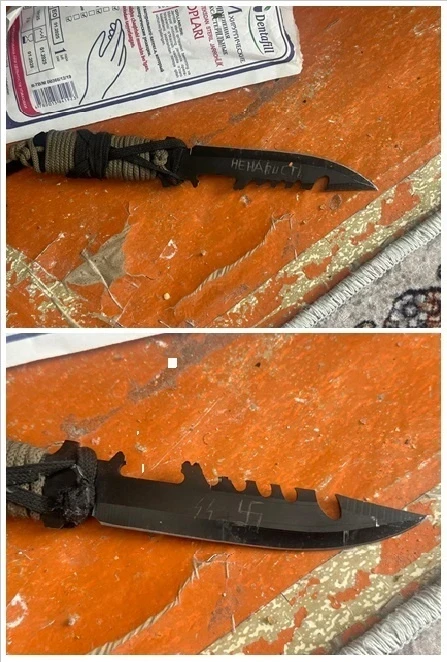
The agency emphasizes that the internet, despite its educational and social functions, is also used by criminals to attract youth to radical ideas, including terrorism and extremism.
Experts note that radicalization occurs gradually through social networks, messengers, and websites where minors are exposed to ideas that justify violence and offenses, which can lead to significant changes in their worldview.
In some cases, adolescents are taught how to produce homemade explosive devices and are incited to violence against law enforcement officers. In the Kyrgyz Republic, such actions and their preparation are classified as serious crimes and are subject to criminal liability.
The GKNB points out that the involvement of adolescents often happens unnoticed, through friendships, manipulation, and psychological pressure. Such influence can negatively affect the adolescents themselves, leading to a loss of connection with reality, involvement in criminal groups, and the risk of losing their future.
Parents are advised to monitor alarming changes in their children's behavior, such as:
sudden withdrawal into themselves and changes in behavior;
distance from family members and friends;
manifestation of aggressive or radical religious beliefs;
hidden contacts with unfamiliar people online;
interest in dubious resources and closed online communities;
aggressive behavior towards loved ones;
justification of violence or illegal actions.
The agency urges parents to pay special attention to their children's online activity, maintain open communication, and reasonably control their internet environment.
If alarming signals are noticed, citizens are recommended to promptly contact local GKNB units.


