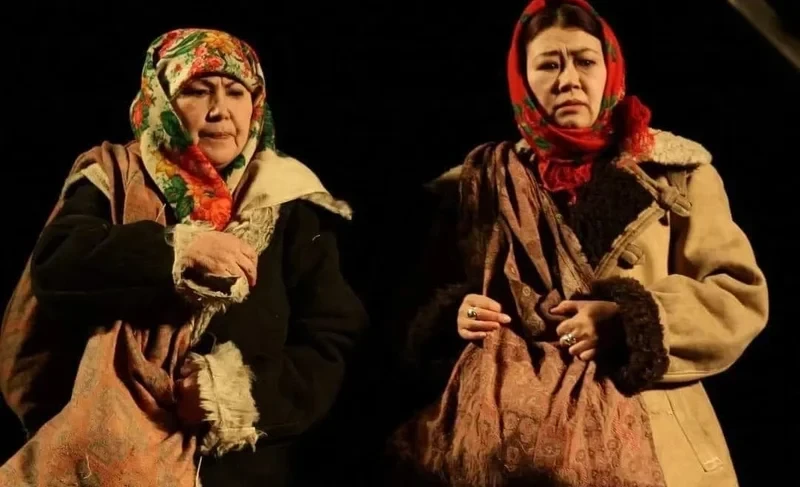
Every year on March 27, the world celebrates International Theatre Day, which has become a symbol of creativity and inspiration. This day aims to highlight the importance of theatrical art, which, using the magic of the stage, reflects human destinies and social issues, as well as contributes to the contemplation of spiritual values. Theatre has a unique ability to touch hearts, provoking audiences to deep reflection and changes in their perception of life.
How has theatre developed in Kyrgyzstan?
The roots of Kyrgyz theatre trace back to the late 19th century, with its active development beginning in the early 20th century. The first performances were based on folk folklore and epics. In the 1920s and 1930s, theatrical collectives began to form in Bishkek and Osh, making the stage a significant part of the cultural life of the country. The plays of that time were mainly performed in the genres of comedy and drama, reflecting the current social realities.
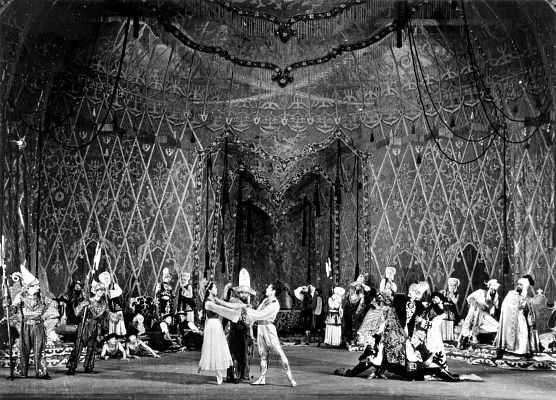
In the 1930s and 1940s, Kyrgyz theatre continued to develop, with new theatres opening, such as the opera and ballet theatre, the Russian drama theatre, and the theatre for young audiences. During this period, significant works emerged, including "Алтын кыз," "Ажал ордуна," and "Айчурек."
During the Soviet era, Kyrgyz theatre underwent significant development, becoming a professional art form. During this time, dramaturgy, directing, and acting skills were actively developed.
This era is considered the "golden age" of Kyrgyz theatre. Stage luminaries such as Muratbek Ryskulov, Baken Kydykeeva, Darkul Kuyukova, and Sovetbek Jumadylov made significant contributions to its development.
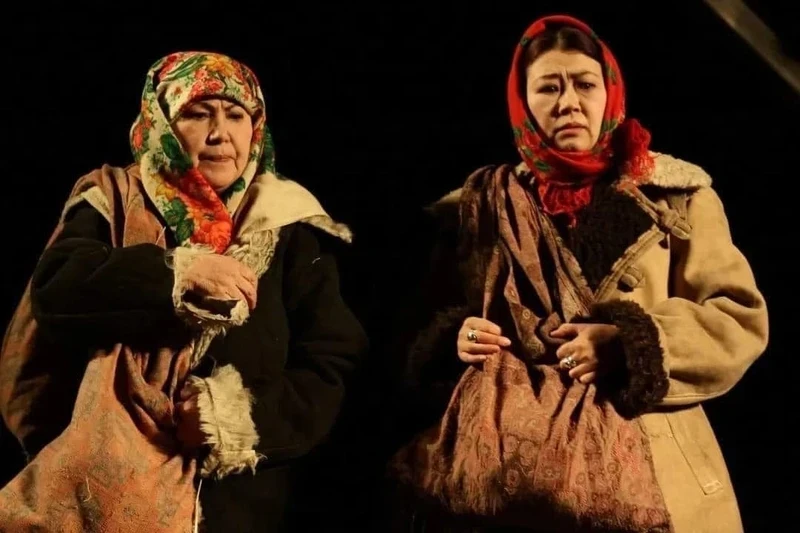
Modern realities of Kyrgyz theatre
Today, Kyrgyz theatre occupies an important place in national culture. It continues to be a unique form of art that, reflecting history and traditions, raises relevant issues of modernity and contributes to the formation of public opinion.
The theatrical art is actively developing, exploring new directions and experimenting with modern forms. Kyrgyz theatres not only operate within the country but also actively participate in international festivals and competitions, representing their national art on the world stage.
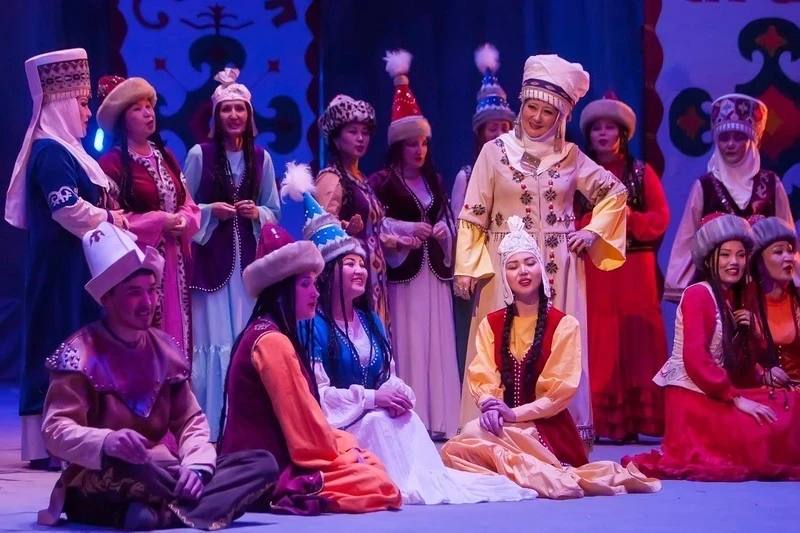
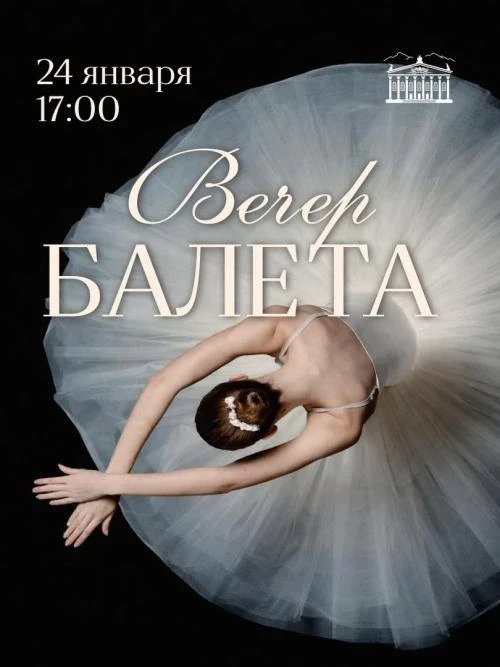
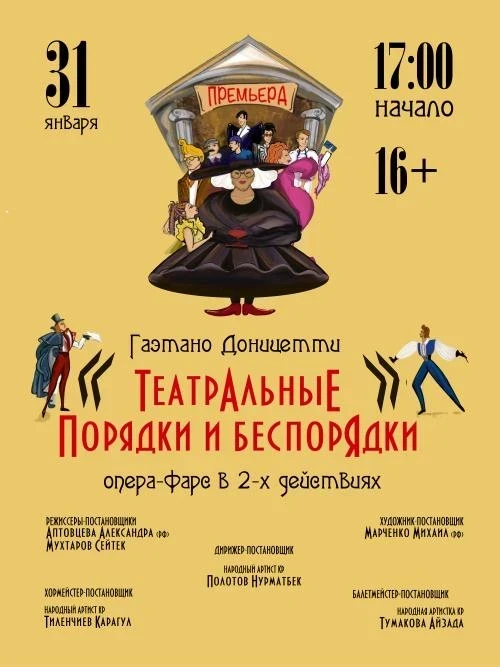
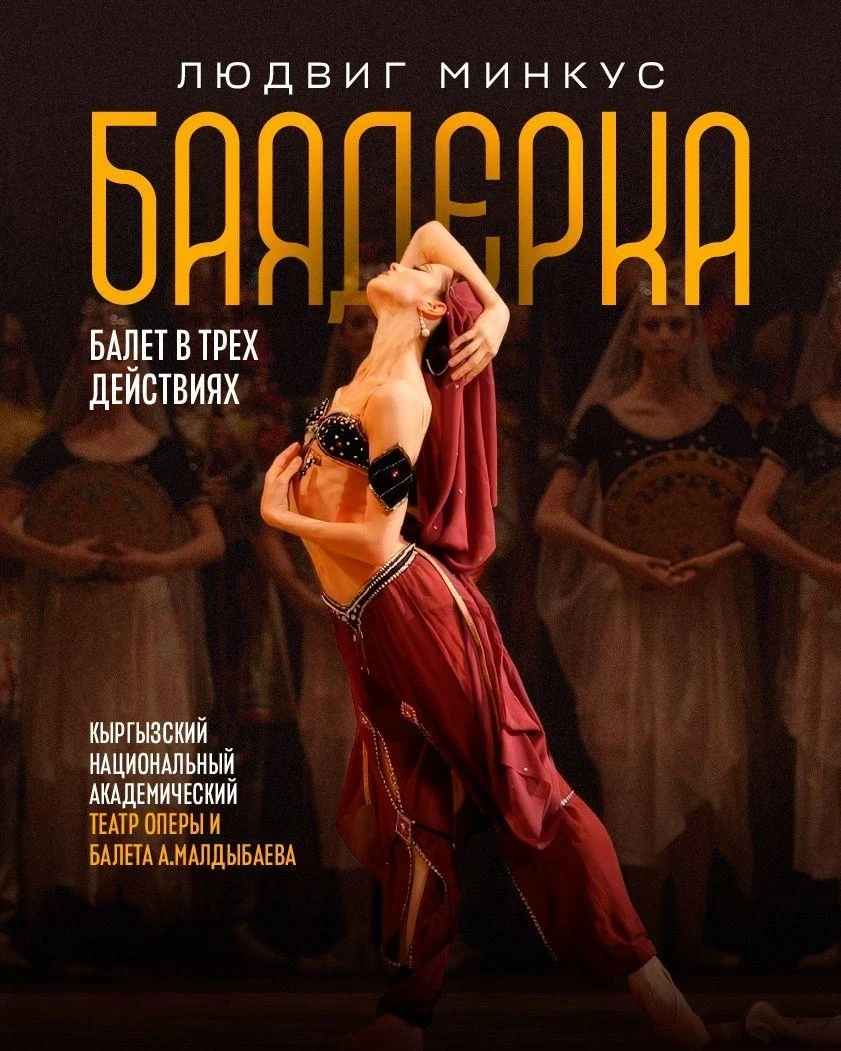
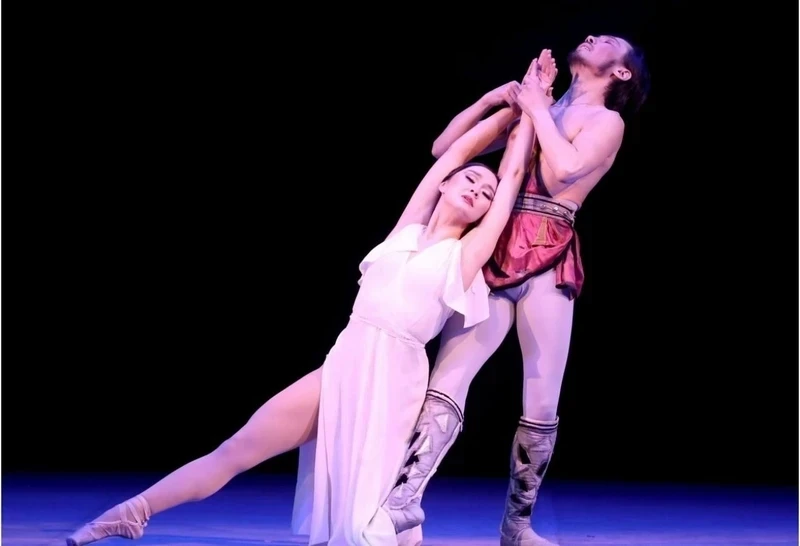
Kyrgyz National Academic Theatre of Opera and Ballet named after A. Maldybaev;
Kyrgyz National Theatre "Manas";
Kyrgyz National Academic Drama Theatre named after T. Abdumomunov;
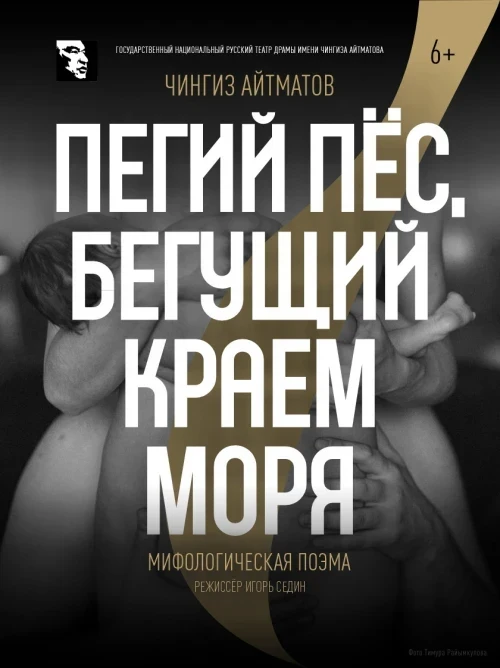
State National Russian Drama Theatre named after Ch. Aitmatov;
Chui Regional Chamber Orchestra;
Kyrgyz State Puppet Theatre named after M. Jangaziev;
Osh Regional Puppet Theatre named after N. Shaamurzaev;
Kyrgyz National Philharmonic named after T. Satylganov;
Osh Regional Philharmonic named after R. Abdykadyrov;
Jalal-Abad Regional Philharmonic named after T. Tynybekov;
Osh National Drama Theatre named after S. Ibraimov;
Kyrgyz State Theatre for Young Audiences named after B. Kydykeeva;
State Youth Theatre "Uchur";
Osh State Academic Uzbek Musical Drama Theatre named after Babur;
Naryn Regional Academic Musical Drama Theatre named after M. Ryskulov;
Issyk-Kul Regional Musical Drama Theatre named after K. Zhantoshiev;
Chui Regional Musical Drama and Satirical Theatre named after Sh. Termechikov;
Batken Regional Musical Drama Theatre named after A. Zhainakov;
Talas Regional Musical Drama Theatre named after K. Medetbekov;
Jumgal Musical Drama Theatre named after K. Akayev;
Alai Musical Drama Theatre named after T. Azhibaev;
Kochkor Musical Drama Theatre.
This year, Kyrgyz theatre celebrates its centenary, which will be marked at the state level.