
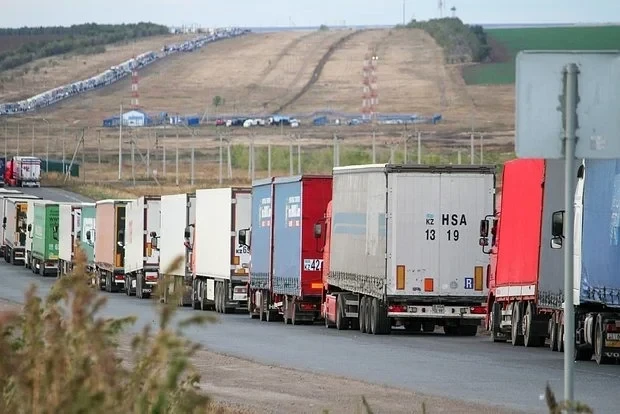
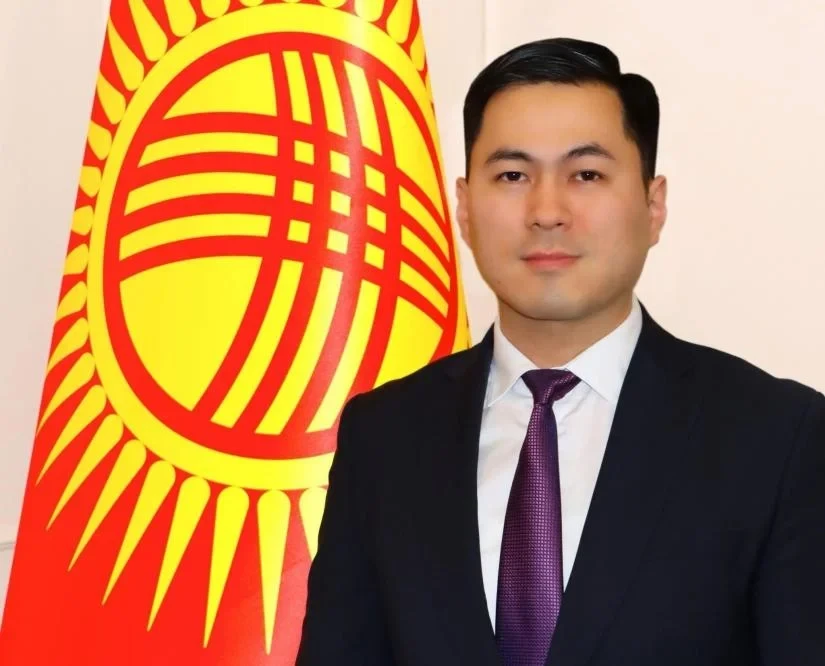
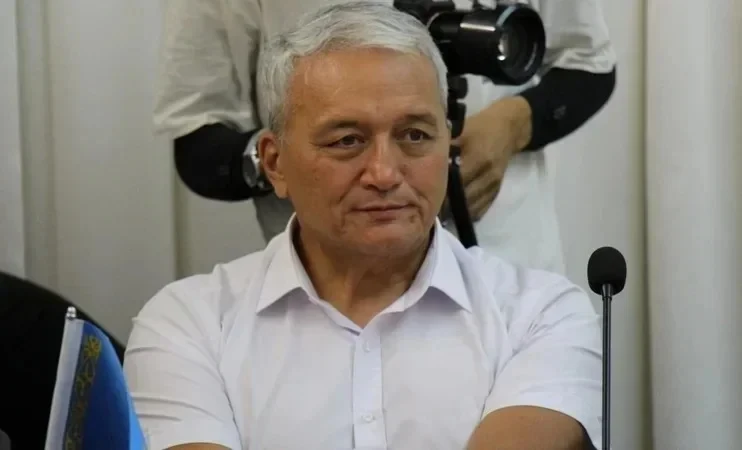
Since the beginning of 2025, Russia has decided to implement stricter controls on imports aimed at combating "grey imports" within the framework of the Eurasian Economic Union. These changes have significantly impacted the export of goods from Kyrgyzstan, especially in the textile sector. The Deputy Director of the State Enterprise "Kyrgyz Export," Tilek Jumaliev, and economist Dr. Tolonbek Abdyrov commented on the consequences of tightening customs control for Kyrgyzstan for IA "Kabar."
“We have recorded a slowdown in the growth of exports to Russia based on last year's results, particularly concerning light industry products and a number of agricultural goods. Exporters are facing new, stricter certification requirements, which, in turn, complicates deliveries,” Jumaliev stated.
“For small and medium-sized businesses, in the short term, this will lead to a decrease in income, as many entrepreneurs used simplified registration schemes or 'grey' schemes. As a result, many of them will be forced to leave the market or switch to legal supplies,” Jumaliev added.
He also noted that more and more Kyrgyz companies are beginning to comply with the new requirements introduced by Russia and are adopting international quality standards. Large firms have already adapted to these conditions.
“The 'Kyrgyz Export' Center regularly conducts training sessions and seminars dedicated to the new requirements imposed by Russian importers. Experts explain how to obtain a declaration of conformity, a certificate, and the 'Honest Sign' marking. We have also developed step-by-step instructions on the necessary actions, including contact details of specialists and the cost of services,” Jumaliev emphasized.
Despite the difficulties of the transitional period, the advantages of "whitening" business are becoming evident. This will lead to an increase in the state budget, an increase in tax revenues, enhanced attractiveness for investors, and the creation of a transparent economy, which will be of interest to foreign investors. The legal operation of businesses will also help avoid account blockages and other sanction risks,” he concluded.Taronbek Abdyrov added that the tightening of control by Russia is already affecting trade within the EAEU and may change the structure of exports and re-exports through Kyrgyzstan.
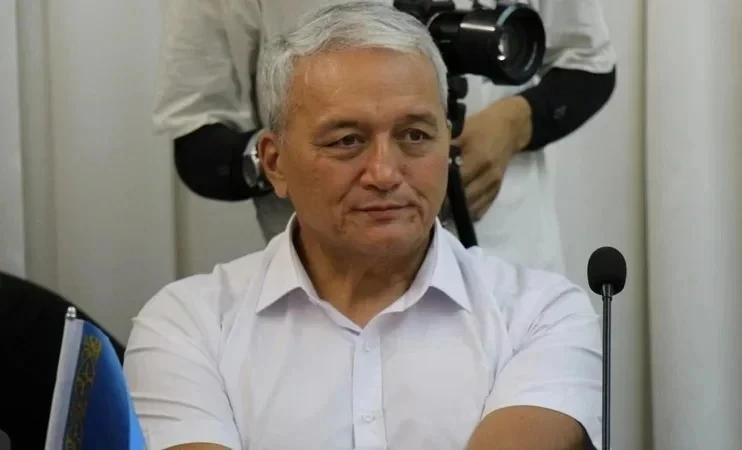
It is expected that such measures will affect countries that trade with Russia. For Kyrgyzstan, this may create certain difficulties, primarily for small enterprises with low volumes of supplies.
Nevertheless, the new rules may open up new opportunities for medium and large companies. The expert emphasizes that Russia aims to fully legalize its supplies and eliminate "grey" schemes, which will lead to a gradual restriction of re-exports through Kyrgyzstan.
“The transitional period may be challenging due to documentation and logistical issues. However, with the organization of processes, an improvement in the situation is expected,” Abdyrov added.
He also noted that in the long term, the new conditions may be more beneficial for medium and large companies in Kyrgyzstan. This can be seen as a strategic opportunity for development.Additionally, within the framework of the EAEU, there is a focus on the digitalization of trade processes. Russia is actively developing this direction and will continue to work on improving digital tools, including SPOT mechanisms (trade at current market price with immediate delivery). In such conditions, market participants will need to adapt to the new rules and organize their activities in accordance with these requirements, the expert noted.


