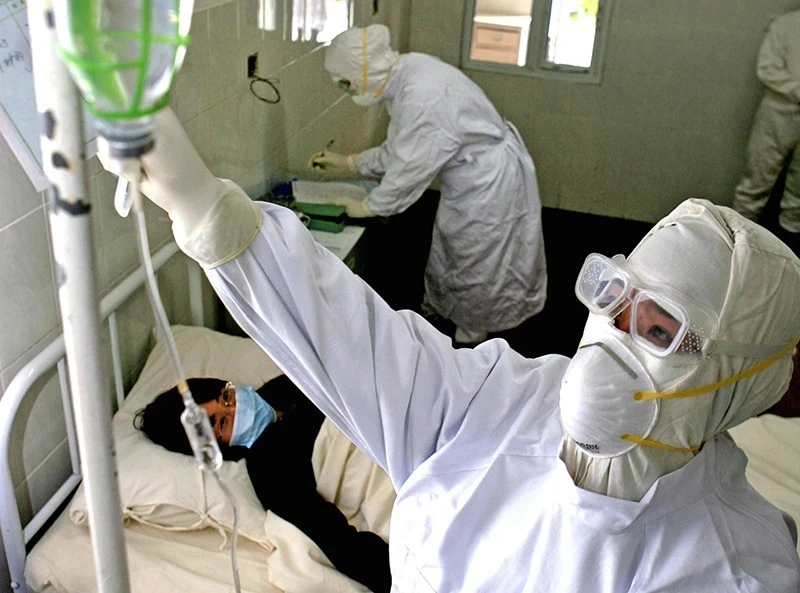
The results of the study show that the confirmation of the "mortality displacement" theory is extremely limited. The accelerated mortality effect was observed only in rare cases and constituted a minor share of the total number of victims. At the same time, the mortality rate from COVID-19 remains high.
The long-term health consequences of COVID-19 are becoming increasingly evident. There is growing evidence that the coronavirus can increase health risks for months and even years after recovery, including in people with mild forms of the disease.
A study conducted in the UK found that individuals who recovered from mild COVID-19 exhibited cognitive impairments comparable to a three-point drop in IQ. In patients with ongoing symptoms, the IQ drop reached nine points, while those who were treated in intensive care experienced even more significant impairments.
Clinical epidemiologist Ziyad Al-Ali estimated that the pandemic could have increased the number of Americans with an IQ below 70 from 4.7 million to 7.5 million, adding 2.8 million people with severe cognitive impairments requiring social support.
A study conducted at the University of Southern California showed that COVID-19 significantly increases the risk of serious cardiovascular events, especially among hospitalized patients. The economic consequences are estimated at one trillion dollars per year, with the average cost per patient in the U.S. being around $9,000, and annual losses from lost wages reaching $170 billion.
In light of this data, federal vaccination policy remains critically important. According to CDC data, only 17% of adult Americans received the updated COVID vaccine for the 2025–2026 years.