
Russia is mentioned in the document as an aggressor state and the reason for the increase in the number of refugees from Ukraine. In addition, the European strategy on asylum and migration notes that "the threats associated with the use of migrants as a tool of pressure by the Russian Federation and Belarus have intensified in the context of the military conflict." Belarus, in turn, is viewed as an accomplice in Russia's aggression, actively participating in hybrid attacks using migrants. The document states that since 2021, this situation has exacerbated migration and security issues in the EU, giving rise to new forms of threats.
Despite the current hostility, Russia and Belarus remain on the list of third countries with which the European Union has readmission agreements, legally allowing the return of migrants to these countries.
In the new visa strategy, Russia and Belarus are not mentioned directly.
Main Directions of the New Migration Strategy
On January 29, the European Commission presented its first strategy on asylum and migration for the next five years. The main goals of the document include combating illegal migration, dismantling criminal schemes for human trafficking, protecting individuals fleeing threats, and attracting skilled professionals to Europe.
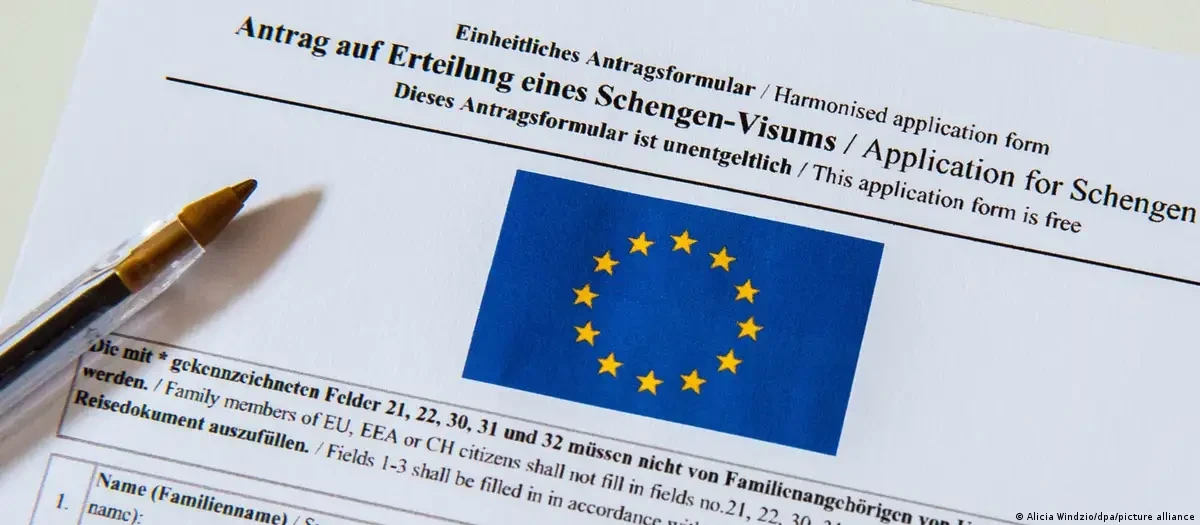
In addition to the overall migration strategy, the European Commission also introduced a new visa strategy in the context of "geopolitical instability." According to officials in Brussels, it aims to enhance security in the EU and streamline visa policy.
Changes in Visa Policy
One of the innovations is the abandonment of traditional visa stickers and the complete digitalization of visa processes, which will help reduce the level of fraud, illegal stay, and the use of counterfeit documents.
Visa-free regimes for third countries are now considered a privilege, dependent on the political situation and security levels in those countries. "Visa-free status is not an eternal right, but a privilege that must be maintained," the new visa strategy emphasizes. In this regard, mechanisms for suspending visa-free regimes will be used to respond to "abuses and security threats" in third countries.
Use of Visa Measures for Political Decisions
Although Russia is not mentioned in the visa strategy, the document states that "in recent years, the EU has faced an increase in hostility from a number of third countries, including manipulations with migrants and political attacks." Under such conditions, further issuance of visas may be deemed "inappropriate," as it poses risks to the security and public policy of the EU. This is particularly relevant for tourist visas and travel without a valid reason.
In the future, the European Commission may propose introducing a new category of visa restrictions that would allow decisions to suspend or deny visa applications from hostile countries. These measures may apply to holders of diplomatic and service passports, as well as participants in military conflicts. Currently, entry bans to the EU can only be imposed within the framework of agreed sanction regimes.
Conditions for Humanitarian Visas Remain the Same
The new strategic policy of the EU also confirms that humanitarian visas can still be issued. EU countries have the right to grant short-term visas for humanitarian reasons in exceptional situations, even if the usual conditions are not met. However, EU legislation does not require member states to issue humanitarian visas to those who wish to apply for asylum.
Humanitarian visas are issued not based on nationality but are considered individually, taking into account exceptional circumstances, such as the protection of human rights defenders, journalists, and civil society representatives.


