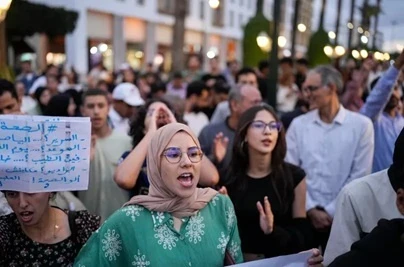
People representing Generation Z are demanding changes in the political system. Some of them use symbols from Japanese anime, where heroes fight against corrupt and repressive regimes.
While more developed regions of the world discuss issues related to an aging population and their impact on the economy, such as the labor market and pension systems, other countries, predominantly in Africa, are facing a growing number of young people seeking better economic opportunities and political freedoms.
Generation Z, consisting of individuals born between 1997 and 2012, is celebrating birthdays this year at ages ranging from 14 to 29, placing them at the center of current political processes.
According to data from the British research organization Our World in Data, about 80 countries with a population of 2.5 billion people have a median age of 29 years or younger, making them dominant among Generation Z.
Among these countries are Uzbekistan (median age 29), Ecuador (28), and the Philippines (26), as well as most of the 54 countries in Africa, where the youngest state is Uganda (median age 16) and Niger (15). Only in four African countries—Mauritius, Seychelles, Tunisia, and Morocco—is the median age above 29 years.
Generation Z is the first generation to grow up in a digital world, having access to a wealth of information, including about the shortcomings of their governments and the living standards available in more successful economies and among the local elite.
Whether in the USA, France, or Germany, or in poorer parts of the world like the Sahel, members of Generation Z are increasingly moving away from traditional political frameworks.