
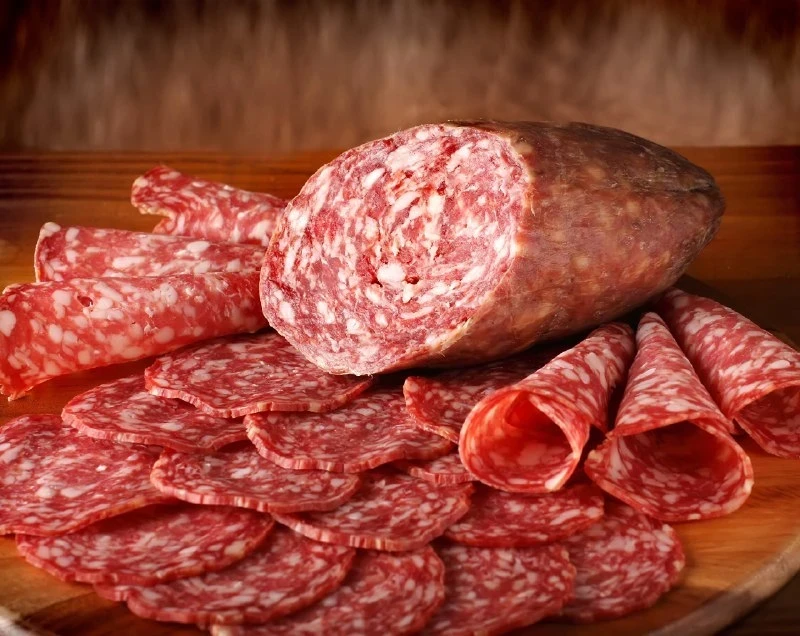
The meeting discussed that the license of the company "Riha" was revoked after pork was found in products labeled as "adal" (halal). This accreditation violation was identified during inspections, leading to the need to reconsider accountability measures in this area.
Deputy Ulan Primov expressed concern about consumer trust in product labeling, noting that consumers are often unaware of the actual composition of products. He emphasized the importance of ensuring complete traceability of goods – from livestock slaughter to their sale in stores.
In response to the identified violations, financial penalties were introduced:
- for individuals – 7,500 soms;
- for legal entities – 23,000 soms.
Almaz Tairbekov, head of the Halal Industry Development Center, reported that the country already has the necessary technical infrastructure for control. Accredited laboratories in Bishkek and Osh are capable of detecting pork, dog, and donkey DNA in products.
Other deputies supported the bill, emphasizing the importance of strict quality control of halal products, compliance with certification requirements, and consumer rights protection.
The bill aims to create and improve legal norms in the halal industry. The speaker noted that the halal industry in Kyrgyzstan is actively developing. "With the increasing demand for halal products and services, as well as to protect consumer rights and ensure fair competition, it is necessary to implement stricter control and clear legal norms," he added.
During the discussion, Deputy Marlen Mamataliyev emphasized the importance of a cluster approach to halal product production, pointing out the need for the halal certificate to meet established requirements. Deputy Dastanbek Jumabekov also raised questions regarding the regulation of quality control for halal products, adding that violations could undermine trust in the halal industry. Elvira Surabaldiyeva supported the bill, noting that compliance with halal standards would enhance Kyrgyzstan's export opportunities.


