
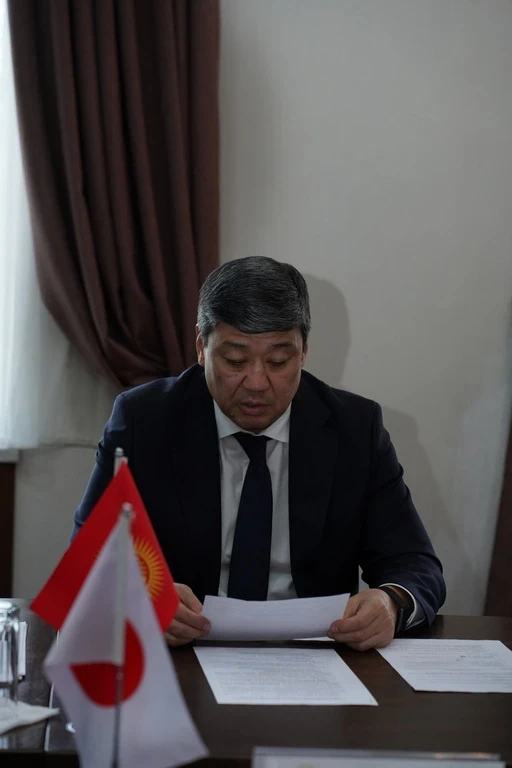
The initiative, aimed at creating climate-resilient value chains in the agricultural sector, was presented at a ceremony held at the Kyrgyz National Agrarian University as part of the National Agro Dialogue.
Participants in the event included Deputy Minister Mirbek Duyyshev, Japan's Ambassador to Kyrgyzstan Ryuichi Hirano, and the UN WFP Director in the country, Kojiro Nakai.

Photo from the press service of the Ministry of Water Resources and Agriculture.

Photo from the press service of the Ministry of Water Resources and Agriculture.
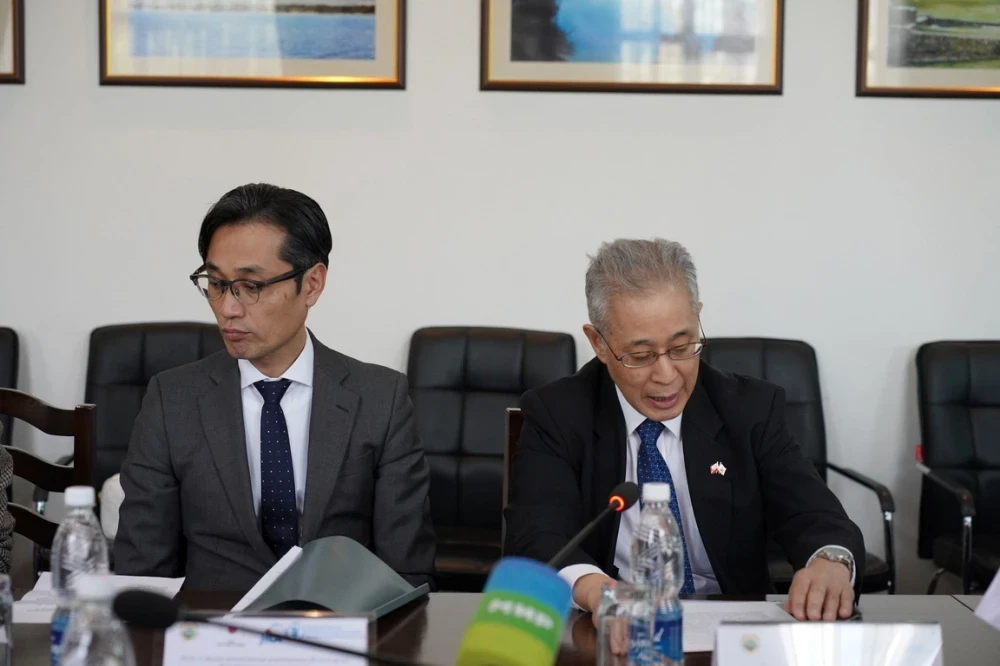
Photo from the press service of the Ministry of Water Resources and Agriculture.
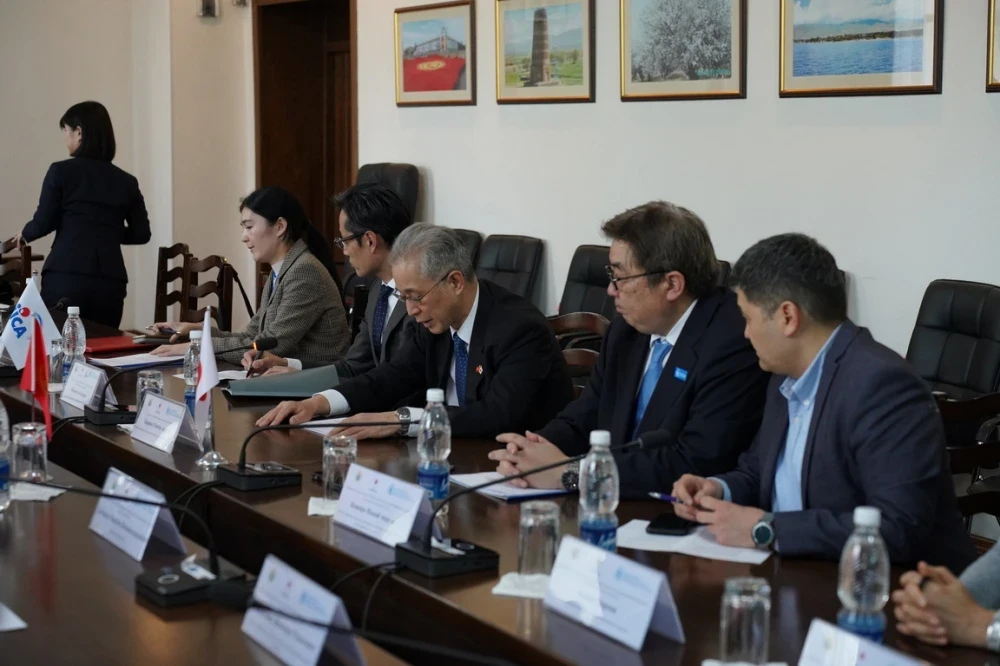
Photo from the press service of the Ministry of Water Resources and Agriculture.
Photo from the press service of the Ministry of Water Resources and Agriculture.
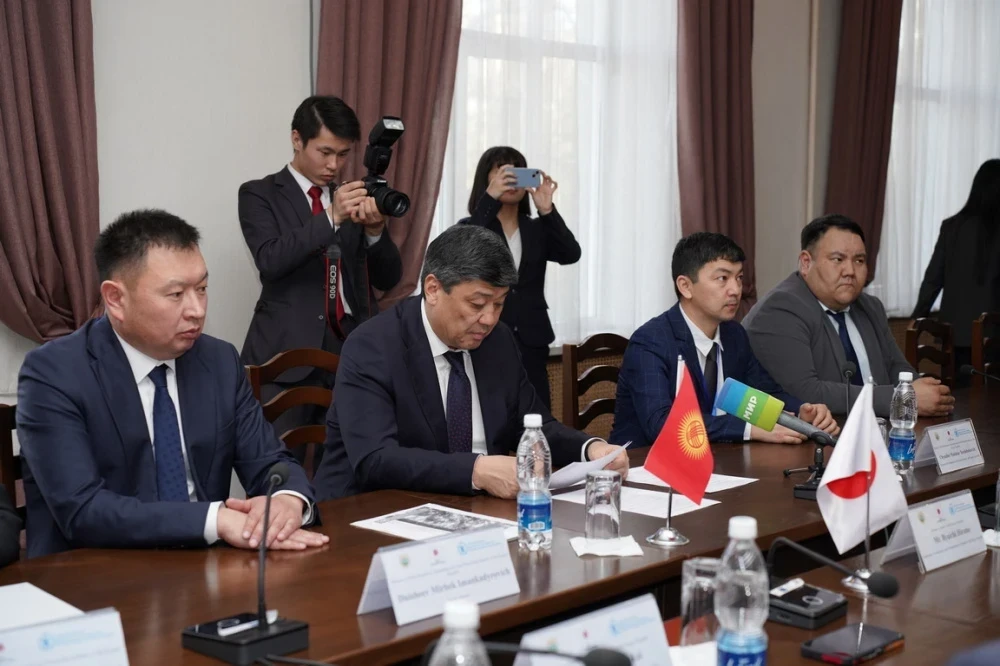
Photo from the press service of the Ministry of Water Resources and Agriculture.
Agriculture is a key source of income for many rural areas of Kyrgyzstan. However, the sector faces serious challenges, including climate change, water resource shortages, and low levels of modern technology adoption.
Deputy Minister Mirbek Duyyshev noted that this project aligns with the country's priorities in enhancing agricultural productivity and supporting farmer cooperatives.
According to him, the initiative will contribute to improving food security, raising living standards, and nutrition in the regions most vulnerable to climate change. The focus will be on supporting small farmers, especially women, through the creation of mutual aid groups and cooperatives. Additionally, plans include improving the management of water and land resources and developing market links in mountainous areas.
The implementation of the project will occur with technical support from JICA and will become an important part of the ministry's strategy for developing clusters in value chains for fruits and vegetables.
As part of this initiative, farmers will be provided with:
- quality seedlings;
- climate-resilient greenhouses with drip irrigation;
- water storage tanks;
- sites for producing organic compost;
- small storage facilities to reduce post-harvest losses.
- agronomy considering climatic conditions;
- management of post-harvest processes;
- financing and managing cooperatives.


