

Kyrgyzstan and Russia have begun active measures to resolve disputes concerning the construction of the Upper Naryn cascade of hydropower plants. Under the previous leadership of the country, this ambitious project was launched but then encountered legal issues that led to its suspension. The authorities, led by Atambaev, failed to find common ground with investors, resulting in the termination of the agreement with "RusHydro" and legal disputes that left Kyrgyzstan at a disadvantage.
Now both sides are attempting to rethink their positions and restart the project. The negotiations involved Deputy Prime Minister of Kyrgyzstan Daniyar Amangeldiev, Minister of Energy Talaybek Ibraev, Minister of Energy of Russia Sergey Tsivilev, and representatives of "RusHydro." Although the details of the discussions remain under wraps, it is clear that the parties expressed a desire to reach mutual understanding and resume construction of the cascade.
The official statement notes that the participants met to discuss further steps and agreed to continue cooperation in this direction. Kyrgyzstan and Russia are set on resuming the project, which has the potential to significantly increase the country's energy capacity needed to meet growing demand and launch new industries.
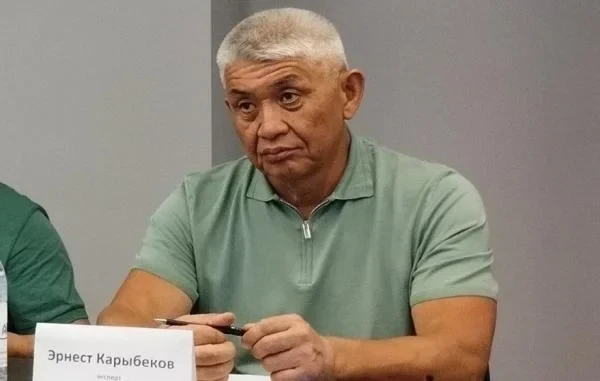
According to energy expert Ernest Karibekov, the energy systems of Central Asia and Russia have the ability to operate in parallel mode, supporting each other and facilitating energy transfers. The existence of a unified energy system in the CIS format makes cooperation more efficient. In the context of rising electricity demand, such integration becomes particularly relevant.
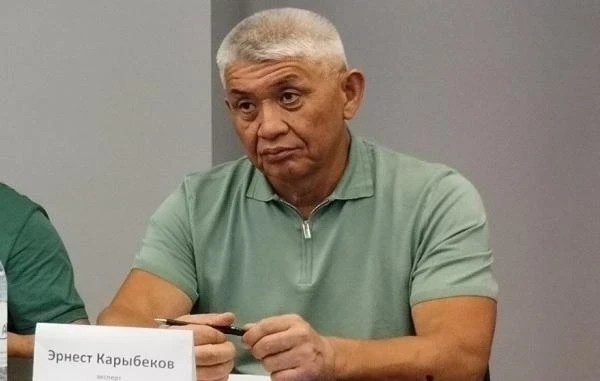
It is expected that the construction of these four hydropower plants will take 2-3 years, which will be a significant contribution to solving the problem of internal electricity shortages. Karibekov emphasizes the need to avoid expensive loans and make the most of internal resources to reduce the payback period of investments, which will also ensure affordable tariffs for the population and businesses.
The total budget for the Upper Naryn cascade is expected to be around 750 million dollars. In the context of Kyrgyzstan's rapidly developing economy, where GDP growth reaches double digits, such an amount becomes quite realistic, especially with state support for investments in energy.
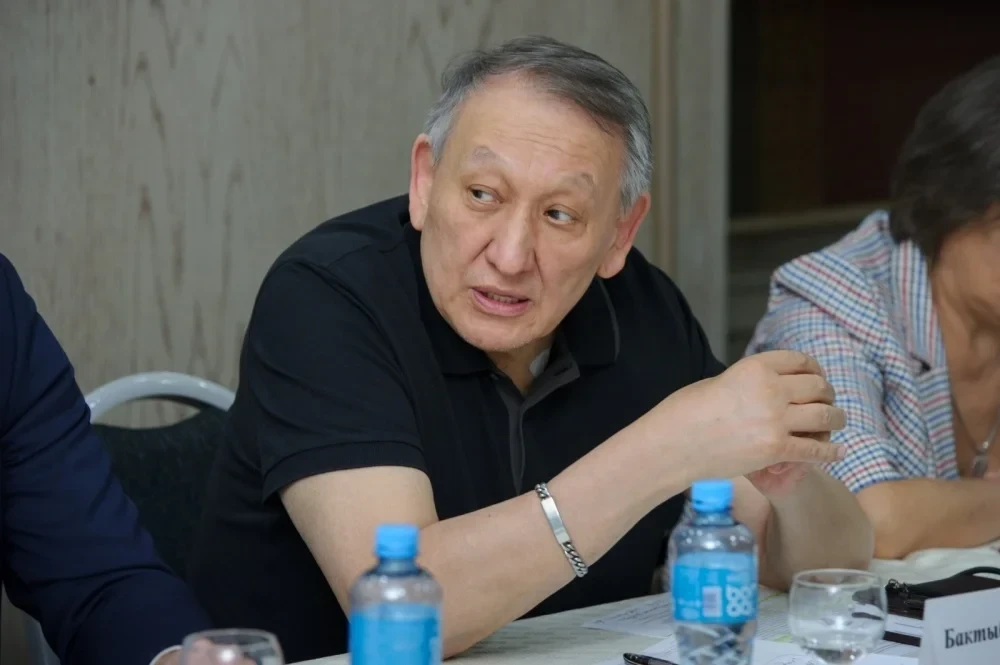
Environmental expert Baktybek Saipbaev emphasizes that if the project had been implemented according to the 2012 plan, it could have been successfully operating by now, significantly helping to cope with the increasing loads on the system.
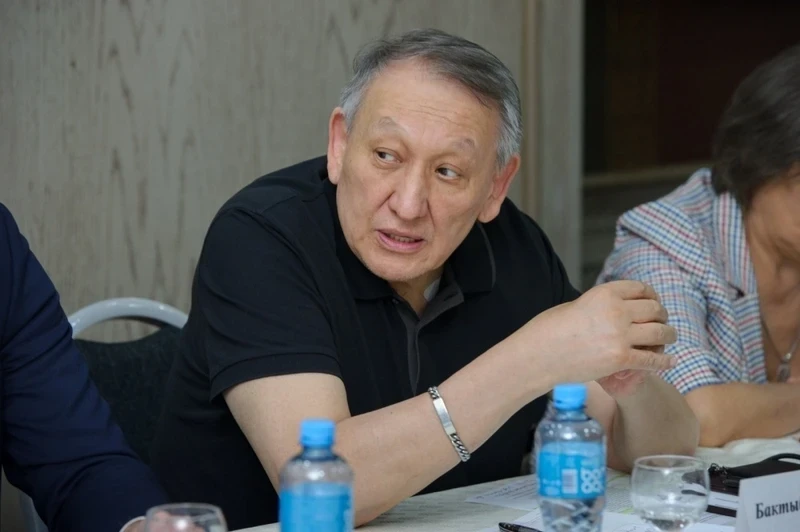
"Additional generation is an important step. We will obtain clean energy, which is especially relevant in light of environmental issues in cities. Hydropower plants do not harm the atmosphere and the environment, so the development of hydropower is our priority. This will also help reduce emissions and maintain a healthy environment. In the context of climate change, launching such projects is becoming increasingly necessary," concluded Saipbaev.
Although Kyrgyzstan's energy security has not yet been fully achieved, experts note that the right steps are being taken to stabilize the sector. In the coming years, dozens of small hydropower plants will be built in the country, the construction of "Kambar-Ata - 1" will be completed, and networks and substations will be modernized. According to specialists, if the current pace of work is maintained, Kyrgyzstan will soon be able not only to cover the deficit but also to achieve a surplus in electricity production.


