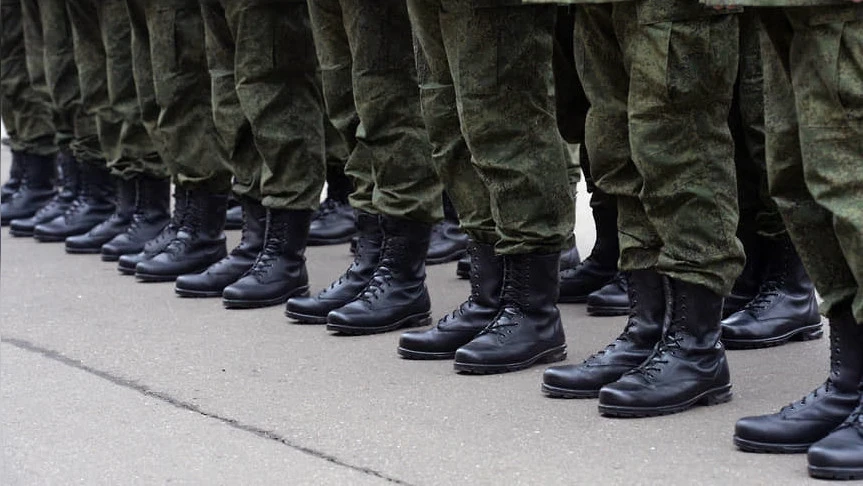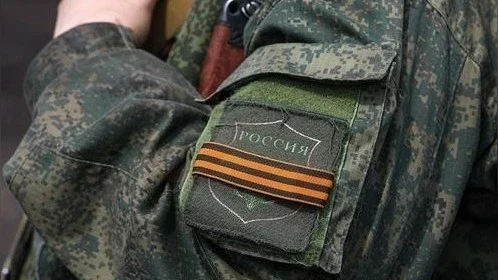
In the Kashkadarya region of Uzbekistan, the Kasbi District Court sentenced a 23-year-old resident named D.R. to four years of restricted freedom for participating in combat operations on the side of the Russian army in Ukraine. According to his own words, to avoid further involvement in the conflict, he was forced to shoot himself in the leg, reports UzNews.uz.
According to court documents, in April 2022, D.R. went to Russia in search of work and got a job as a taxi driver. In September of the same year, during a check, police found drugs in his car. As a result, he was sentenced to nine years in a penal colony for illegal drug trafficking.
After beginning to serve his sentence, in October 2024, he signed a contract with the Ministry of Defense of the Russian Federation. The convicted man claims that he did not fully understand the meaning of the documents, as he did not have a sufficient command of the Russian language. He believed that these were papers regarding his transfer for further serving of his sentence in his homeland.
Instead of returning home, he was sent to a military unit. After completing his service and necessary training, D.R. participated in combat operations in Ukraine until November 2025.
According to him, when he decided to stop participating in the war, he intentionally shot himself in the leg. After that, he was placed in a hospital, from which he managed to escape. With the help of the Uzbek embassy in Moscow, he returned home and voluntarily reported to law enforcement authorities.
The court found D.R. guilty under part 1 of article 154 ("Mercenarism") and part 1 of article 154-1 ("Recruitment for military service") of the Criminal Code of Uzbekistan. He was sentenced to four years of restricted freedom and two years of corrective labor. However, considering the cumulative penalties, the final term amounted to four years and one month of restricted freedom.
Additionally, the convicted man is prohibited from leaving the Kashkadarya region without permission from the authorities and changing his place of residence.