
Ceasefire as an Opportunity for Diplomacy
Trump emphasizes that if the negotiations are unsuccessful, the U.S. is prepared to resume military actions and even consider tougher measures, such as increasing control over Iran's energy sector, which is a vital source of income for the country.Iran: No Direct Communication with Washington
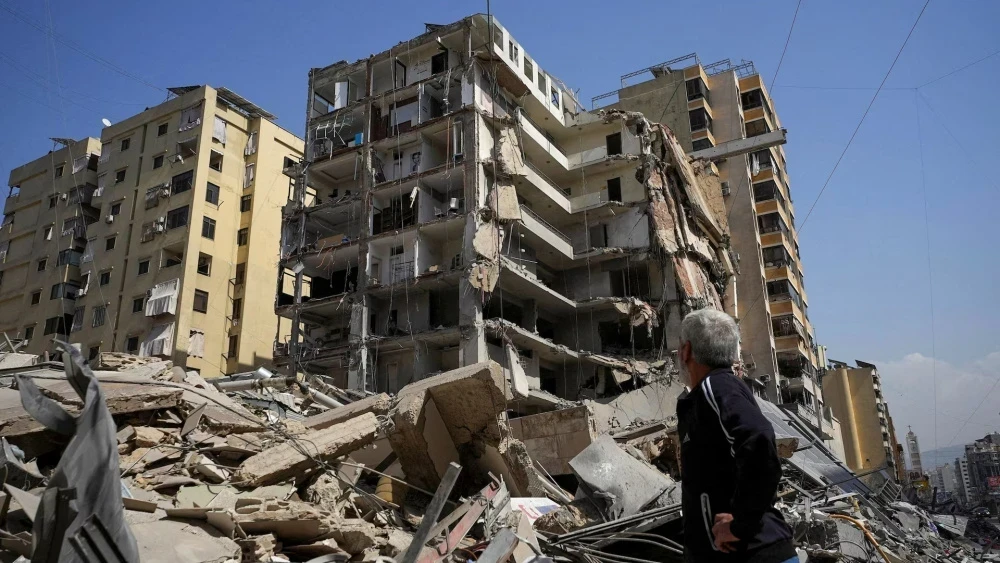
Iranian authorities stated that they are not conducting direct negotiations with the U.S. According to sources, contact is being made through intermediaries, including Turkey, Egypt, and Pakistan. Additionally, Iranian representatives criticized the proposed terms, considering them unbalanced and ignoring Iran's interests.Destruction in Beirut following an Israeli airstrike. Photo by Reuters.
Hostilities Continue, Tensions Rise
Despite talks of negotiations, the conflict in the region persists. Iran continues to attack Israeli targets, while the U.S. and its allies maintain military pressure. Israel continues to strike Iranian facilities, including military and strategic infrastructures, leading to explosions near key sites and casualties among high-ranking military personnel.Intensified clashes between Israel and Hezbollah are observed along the border with Lebanon. Estimates suggest that hundreds of thousands, possibly over a million people, have left their homes, while Israel considers the possibility of creating a buffer zone.
Impact on the Global Economy
The conflict in the region significantly affects global markets. The threat to energy infrastructure has led to a roughly 40% increase in oil prices, as well as a sharp rise in the cost of fertilizers and other raw materials. Analysts warn that further escalation could exacerbate inflationary pressures and hinder the recovery of the global economy.What Happens Next?
Experts believe that the announced pause is more of a tactical maneuver than a harbinger of a quick resolution to the conflict. The negotiation process remains opaque, and the positions of the parties are far apart, creating an extremely unstable situation. The coming days could be decisive: the parties may either reach real agreements or the conflict may flare up again.****
On February 28, Israel and the U.S. struck Iran. Donald Trump announced plans to destroy the nuclear program of the Islamic Republic.Iran responded with strikes on Israeli territory and other countries in the Middle East where American military bases and other facilities are located. The strikes targeted Bahrain, Qatar, Kuwait, Abu Dhabi, and Dubai (UAE), as well as Riyadh (Saudi Arabia).
As a result of the U.S.-Israeli attack, Iran's Supreme Leader Ayatollah Ali Khamenei was killed.
Trump stated that the military operation in Iran would last about four weeks. A jihad against the U.S. and Israel was declared in Iran, emphasizing that there would be no negotiations.
The situation in the Middle East has global implications, including for Kyrgyzstan. Currently, thousands of tourists are stranded in the UAE due to the conflict. Contacts for embassies and consulates for Kyrgyz citizens abroad are available here.


