
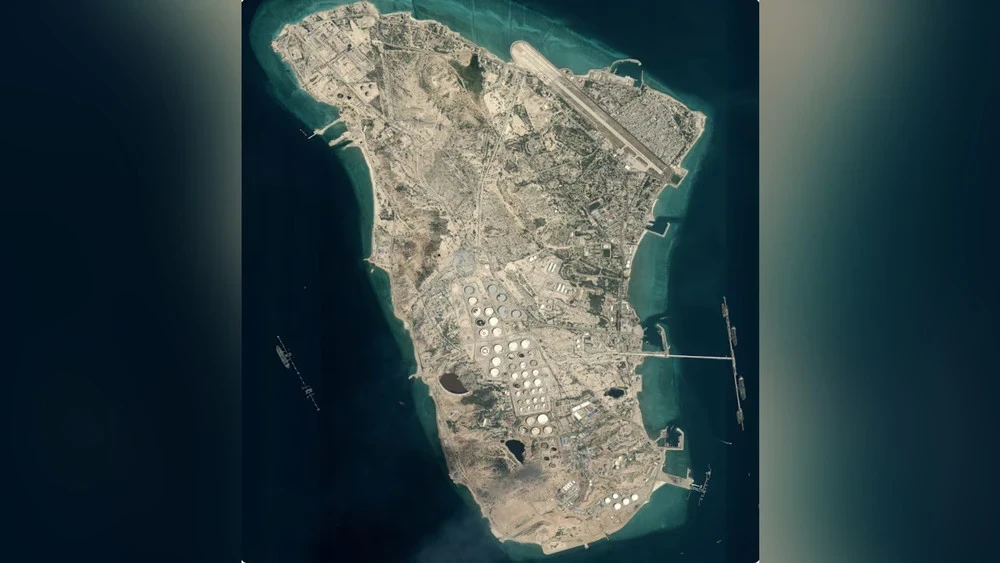
A satellite image shows the Iranian island of Kharg on March 11, 2026, before American strikes on the island.
In recent weeks, Iran has been setting traps and deploying additional military personnel and air defense systems to Kharg Island in preparation for a possible US operation to establish control over the island. This was reported by CNN, citing sources.
According to sources, the Trump administration is exploring the possibility of using American troops to seize this small island located in the northeast of the Persian Gulf. This island is strategically important for Iran's economy, as about 90% of its oil exports pass through it. The operation could serve as a means of pressure on Tehran to open the Strait of Hormuz.
However, US experts and military officials warn of high risks associated with such a ground operation, including potential significant casualties among servicemen. Kharg Island has a multi-layered defense system, and Iran has strengthened its defenses in recent weeks by deploying portable air defense missile systems (MANPADS).
Iran is also setting traps, including anti-personnel and anti-tank mines, along the coastline, which could complicate the landing of American troops if President Trump decides to conduct a ground operation.
Some of the president's allies express doubts about the feasibility of such an operation, arguing that seizing the island will not resolve issues related to the Strait of Hormuz and Iran's influence on the global energy market.
The US Central Command has so far refrained from commenting on Iran's actions on Kharg Island.
Earlier, on March 13, American forces already conducted strikes on this island, hitting 90 targets, including "naval mine storage facilities and military installations." Trump announced the attack, noting that American forces avoided striking oil infrastructure on the island "out of decency."
According to Israeli sources, seizing Kharg could provoke retaliatory actions from Iran, including drone attacks and MANPADS, which would lead to casualties among American servicemen. "There is hope that Iran will not take risky actions and instead focus on shelling oil fields, although this is impossible to predict," the source noted.
Retired Admiral James Stavridis, who previously served as NATO's Supreme Allied Commander, expressed serious concerns about the potential consequences, emphasizing that Iran may attempt to inflict maximum damage on American forces.
On Wednesday, the speaker of the Iranian parliament warned the country's "enemies" against attempts to occupy Iranian islands, claiming that Iran fully controls all enemy movements.
Ghalibaf stated that Iran's "enemies," supported by one of the countries in the region, may be preparing to seize the island. He added that any actions by the enemy would be harshly suppressed.
Kharg Island, which is three times smaller than Manhattan, requires significant forces to capture it if the US decides to proceed. The island is located in the northern Persian Gulf, near Iranian oil facilities.
Two expeditionary Marine Corps units have been deployed to the Middle East, which could be involved in the operation to capture Kharg. They include thousands of Marines, amphibious ships, and aircraft. The deployment of about 1,000 soldiers from the 82nd Airborne Division is also expected.
The US Central Command is continuously monitoring the island, allowing for tracking changes in its territory, including potential mined areas.
According to Stavridis, strikes on Kharg have weakened some defensive systems; however, the island's proximity to the Iranian coast makes American forces vulnerable to attacks using ballistic missiles and drones. Internal discussions among the Trump administration concern the feasibility of the risks associated with a ground mission.
According to sources, the US is preparing for the rapid destruction of sensitive information and facilities in the event of the capture of American positions. Similar measures may also be planned by Iran.
US allies in the Persian Gulf are urging the Trump administration to avoid prolonging the conflict by deploying troops to Kharg or extracting Iranian highly enriched uranium. They express concerns that the occupation of the island could provoke retaliatory actions from Iran and exacerbate the conflict.
Instead, countries in the region insist on neutralizing Iran's ballistic missile program before the current conflict is resolved. Recent reports from the Pentagon indicate that a significant portion of Iran's missile capability has been destroyed; however, the timeline for completing the operation is not specified.
Stavridis also noted that one way to pressure Iran could be to blockade Kharg from the sea, making oil exports difficult without the need for troop landings.


