
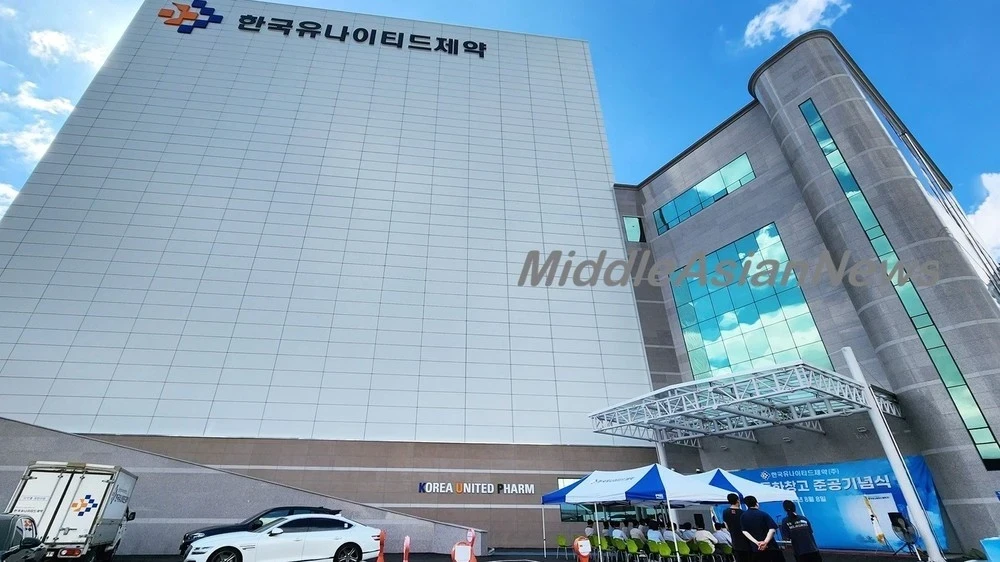
On Thursday, Korea United Pharm announced the holding of a strategic meeting with representatives of GanEm Pharma, which took place on Monday. Key executives from both companies attended the meeting, including the CEO of Korea United Pharm, Kang Duk-yeon, and his colleague from GanEm Pharma, Tsogtoo Amardelger. The participants discussed plans for market expansion for key products, as well as medium- and long-term cooperation strategies.
"In particular, medications such as Alkaphen (acetaminophen) for cold treatment, injectable Bondex (ibandronate sodium) for osteoporosis, and soft capsules Clanza (aceclofenac), which have anti-inflammatory and analgesic effects, were discussed," reports MiddleAsianNews.
Among the listed products, the Alkaphen medication is expected to help the company strengthen its position in the Mongolian market. This year, the introduction of its new formula is planned, which should increase interest in the product, company representatives report.
Korea United Pharm also intends to expand the range of anticancer drugs available in the pharmaceutical market of Mongolia.
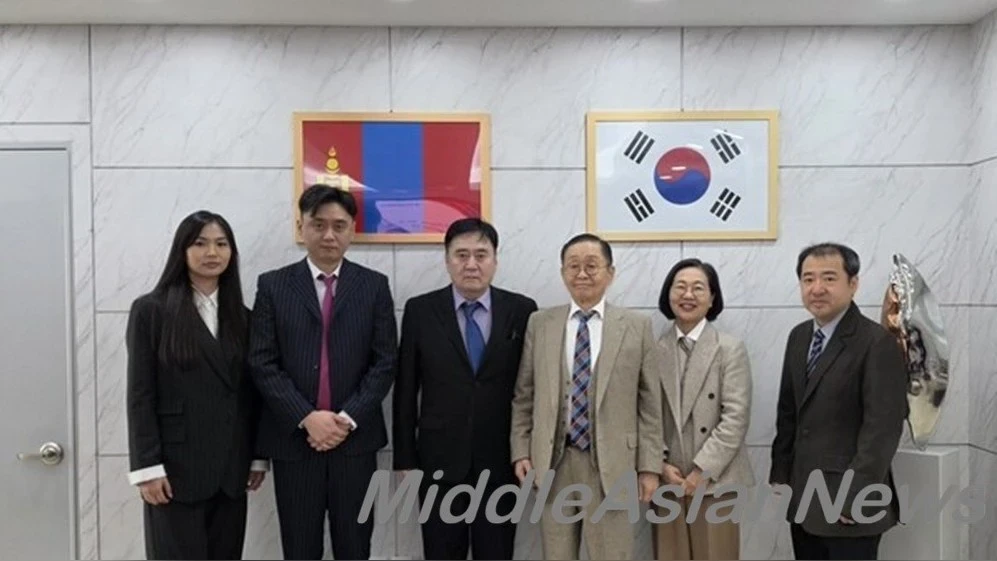
Kang Duk-yeon (third from the right) and Tsogtoo Amardelger (fourth from the right)
Currently, the company supplies five anticancer drugs, including injectable Unistin Injection (cisplatin) and Carbotinol Injection (carboplatin), to the Ministry of Health of Mongolia. There are also plans to export Purinetone tablets (mercaptopurine) to the country. These steps will help Korea United Pharm diversify its product range and strengthen its position in the pharmaceutical market of Mongolia.
With a population of about 3.5 million, Mongolia is largely dependent on imported medicines. The country's pharmaceutical market is estimated at $197.6 million, and the demand for Korean drugs continues to grow. In 2022, imports of pharmaceuticals from Korea reached $16.97 million, an increase of 48.6% compared to the previous year. Korea United Pharm began exporting its products to Mongolia in 2003 and has established itself as a reliable player in the local market.
“Mongolia represents an important market where trust in Korean pharmaceutical products and demand for them are constantly increasing,” noted CEO Kang. “Using our many years of experience and partnerships, we plan to intensify efforts to capture the Mongolian market by expanding the supply of competitive goods.”


