
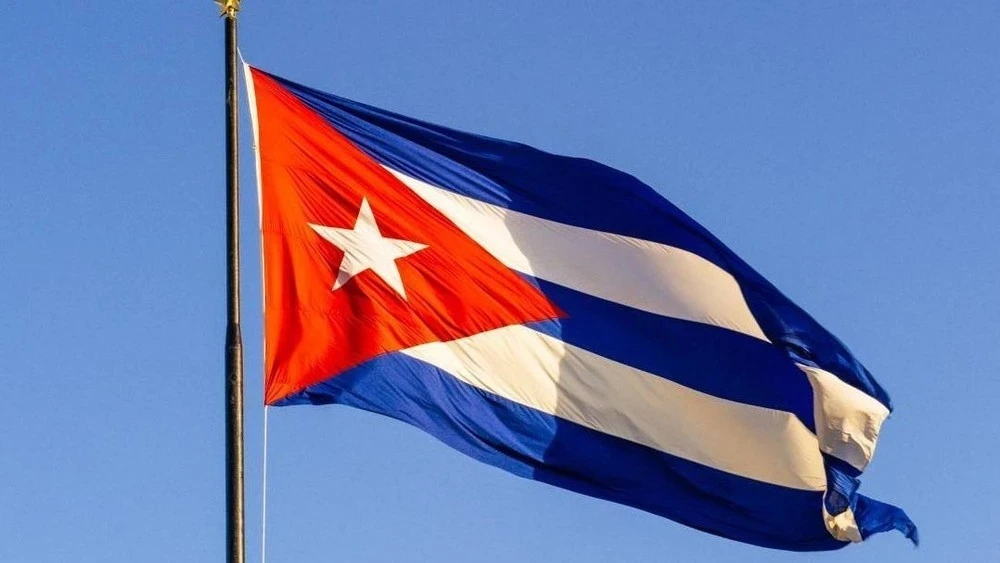
According to information obtained from sources, the American side at the negotiations indicated that the departure of the President of Cuba is necessary, but further actions are left to the discretion of the Cuban side. The Trump administration believes that the replacement of Díaz-Canel would create conditions for conducting structural economic reforms, which, in their opinion, the current president will not support.
One of the informants for the NYT noted that Washington is also interested in replacing some old officials who remain loyal to the ideals of Fidel Castro. At the same time, the USA does not demand the removal of members of the Castro family, who continue to play a significant role in Cuban politics.
According to the source, the overthrow of the President of Cuba would be a "symbolic victory" for Trump, allowing him to declare the overthrow of a leader of a leftist government opposing the USA, similar to the situation with Venezuela. According to American officials, the negotiations should lead to a gradual opening of the Cuban economy to American investors, which would create the prerequisites for forming a dependent state and provide Trump with several political victories that he could announce.
Miguel Díaz-Canel, who is 65 years old, has been the President of Cuba since 2018, and The New York Times characterizes him as the nominal leader of the country. He was appointed to this position by Raúl Castro, the former President of Cuba, who is now 94 years old and remains an influential figure in the state.
Trump has previously expressed the possibility of a "friendly takeover" of Cuba, suggesting that the Cuban government "will fall soon." According to The Wall Street Journal, the Trump administration was looking for agents in the Cuban government with the aim of changing power by the end of 2026.
On March 13, Díaz-Canel announced the start of negotiations with American authorities, noting that the Cuban side wants to find "possible solutions to bilateral disagreements."
On March 16, a blackout occurred in Cuba, and Díaz-Canel reported that the country had not received oil for more than three months and is now using solar energy, natural gas, and thermal power plants. Previously, Cuba received oil from Venezuela; however, supplies ceased after Nicolás Maduro was seized by American authorities.


