As part of the study, an online survey was conducted among over 2,600 mothers from 16 countries and territories in the region with the support of UNFPA and its partners.
According to the survey results, 67% of women reported that they encountered at least one form of mistreatment during childbirth or medical examinations.
Florence Bauer, the regional director of UNFPA for Eastern Europe and Central Asia, described these findings as a "wake-up call." She emphasized that every woman deserves the highest level of medical care, which includes respectful and dignified treatment.
"Obstetric violence is not just a medical issue. It is a human rights violation that can leave women in a state of stress and helplessness, as well as have long-term negative consequences for their health and well-being," added Bauer.
The Need for Consent
The report also indicates that nearly half of the women (48.1%) reported that medical procedures were performed on them without prior informed consent. Such interventions include episiotomy, cesarean section, and the administration of oxytocin.One in ten women reported experiencing physical or sexual violence during childbirth or gynecological examinations. 12% of respondents noted that they were restricted in movement, for example, being tied to a bed or subjected to rough physical force. Additionally, 10.4% of women faced various forms of sexual violence, including inappropriate touching and more serious actions such as humiliating manipulation of their genitals.
More than half of the women (53.7%) stated that they had never heard of the term "obstetric violence," and only 2% of those who experienced mistreatment reported it officially. The reasons for such silence include distrust in reporting mechanisms and fear of consequences.
Regional Differences
Discussion of obstetric violence is less common in Central Asia than in European countries. The study showed that the highest number of women unfamiliar with the concept of "obstetric violence" was recorded in Kazakhstan, Kyrgyzstan, and Uzbekistan, where about two-thirds of respondents are unaware of such a phenomenon.The authors of the report indicate that the situation may be partly explained by the cultural and social traditions of the region, where conventional views on the role of women and the childbirth process may hinder discussions of cases of mistreatment.
The level of violations also varies between countries. For example, in Albania, Moldova, Serbia, Tajikistan, and Kosovo, women more frequently reported discrimination, verbal and physical violence, as well as issues within the healthcare system.
In Tajikistan, 31.8% of women reported being victims of verbal abuse during childbirth, while 22.7% reported physical violence. In Ukraine, 34% of mothers indicated low quality of medical care, including violations of privacy and insufficient qualifications of staff.
Sexual violence was reported by 19% of women in Serbia and 16.2% in Moldova.
The Need for Action
Among the recommended steps are the adoption of relevant legislation, improving professional training for medical personnel, informing women of their rights, creating accountability mechanisms, and conducting awareness campaigns."Respect is not an optional extra; it is a prerequisite for quality medical care," emphasized Florence Bauer. She noted that eliminating systemic barriers would ensure safe and dignified childbirth for all women.
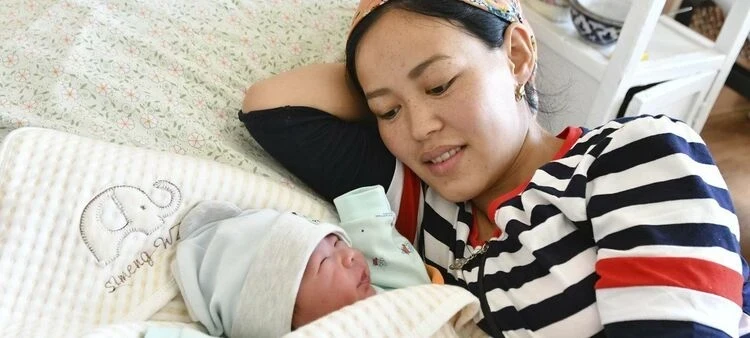
Photo on the main page is illustrative: © UNICEF / A. Kim.