
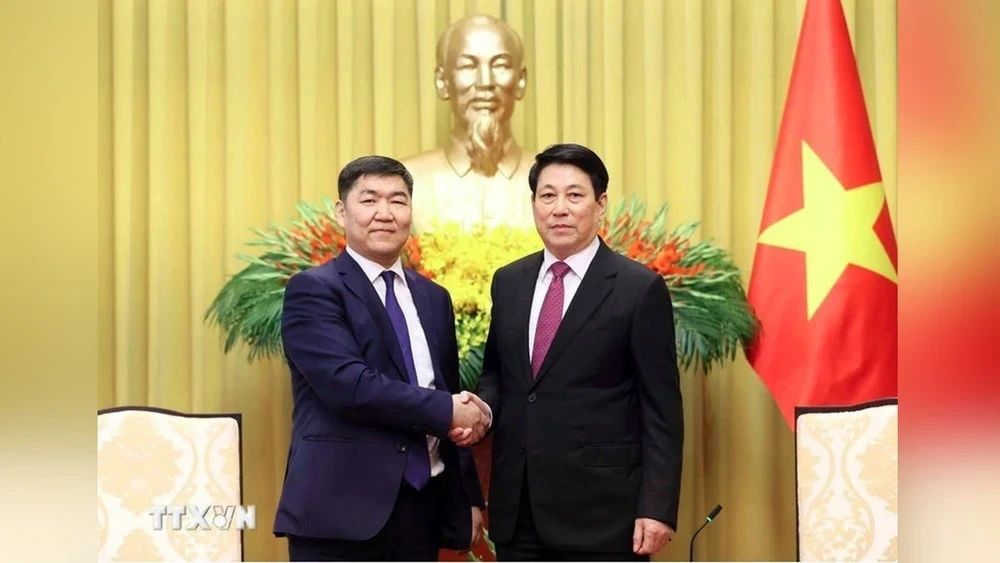
Left: Ganzorig Damdin and President of Vietnam Lyong Kyong
Vietnam continues to actively develop and deepen traditional friendly relations with Mongolia, striving to meet the interests and expectations of both peoples, as well as to promote peace and stability both in the region and globally. This was reported by MiddleAsianNews.
Lyong Kyong, the President of Vietnam, noted that his country will always remember and appreciate Mongolia's support in the struggle for national independence in the past, as well as in the current process of nation-building and development.
As reported by the publication Báo Điện tử, President Lyong Kyong expressed these words during a meeting with the Chairman of the Supreme Court of Mongolia, Ganzorig Damdin, in Hanoi on Wednesday.
The Vietnamese leader expressed satisfaction that bilateral relations are strengthening and developing, noting significant achievements in areas such as politics, economy, trade, education, and interpersonal exchanges. In particular, in September 2024, relations between the countries were elevated to the level of comprehensive partnership.
He also emphasized that the party, state, and people of Vietnam will never forget the important assistance of Mongolia in their struggle for independence and in the modern process of state formation and development.
Furthermore, President Kyong noted Mongolia's ongoing commitment to strengthening bilateral relations, calling Vietnam "the third neighbor" and one of Mongolia's key partners in Southeast Asia.
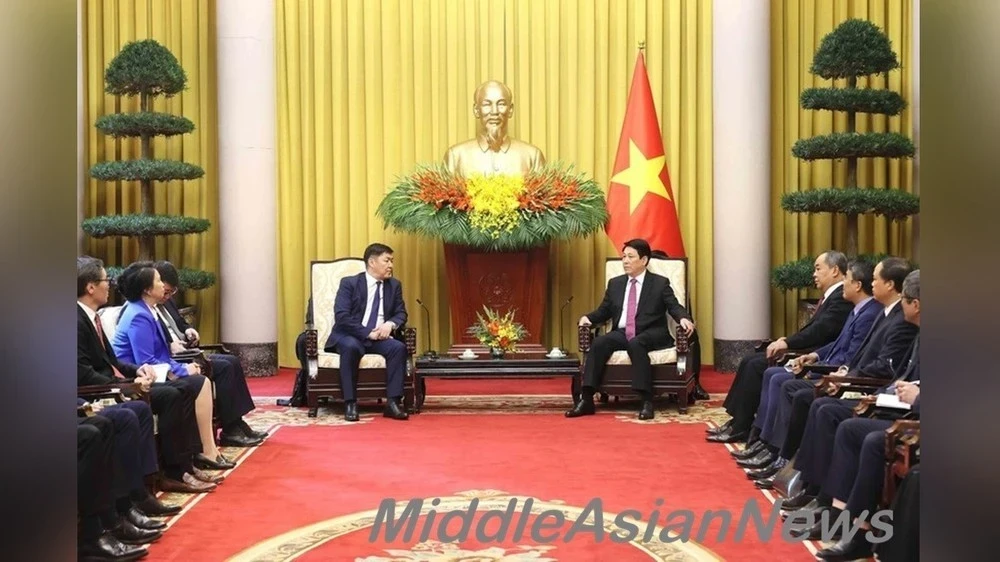
Ganzorig Damdin, for his part, noted that cooperation between the two states continues to deepen, including the expansion of ties between the highest judicial authorities. He highlighted Vietnam's impressive socio-economic achievements in recent years, adding that the country is becoming increasingly dynamic and its international authority is growing.
During the discussion of the results of negotiations with his Vietnamese counterpart, Ganzorig Damdin spoke about conducting in-depth discussions on the development of judicial systems, experience exchange, and agreements on further cooperation. He expressed confidence that the comprehensive partnership will continue to develop, and judicial cooperation will become an important component of it.
Recognizing the efforts of the two supreme courts in strengthening interconnections, President Kyong noted that, based on the memorandum of understanding signed in June last year, the courts have intensified the exchange of delegations, training of personnel, and joint work in the field of legal assistance and the development of modern judicial institutions. He supported initiatives aimed at effective cooperation that promotes the expansion of bilateral relations.


